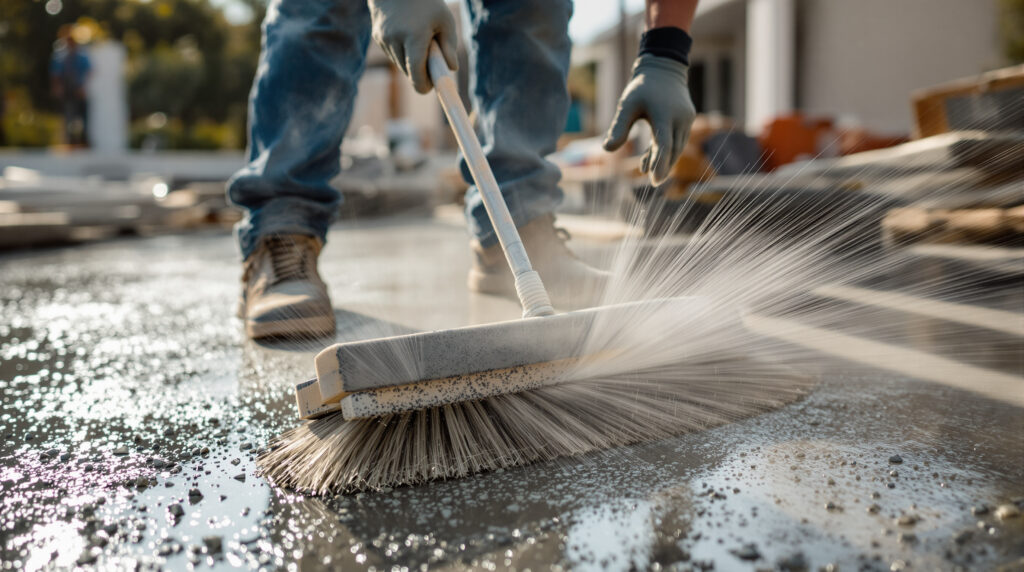
Decorative concrete san diego homeowners choose comes in three main styles: stamped for texture and pattern, stained for color depth, and polished for a sleek, modern look. Each option’s cost depends on complexity, site prep, and finish type. Here’s what drives the final cost and which option fits your space.
- Stamped concrete: Adds pattern and texture; lasts 15–25 years with proper sealing
- Stained concrete: Rich, translucent colors; best on smooth, clean surfaces
- Polished concrete: Ultra-smooth, industrial-modern finish; low-maintenance long-term
- Suited to San Diego: Stamped and polished excel in dry climate; staining works anywhere but shows dust on unpolished surfaces
- Maintenance: All three need periodic sealing (every 2–3 years); polished requires minimal cleaning
Understanding Your Decorative Concrete San Diego Options
San Diego’s year-round sunshine and low rainfall make concrete ideal for outdoor finishes. UV rays and salt air (especially near coastal areas like Ocean Beach, Pacific Beach, and La Jolla) do test decorative coatings, so choosing the right finish and sealer matters for longevity.
The three main decorative finishes serve different design goals. Stamped concrete replicates brick, slate, or stone patterns. Stained concrete tints the slab with acid or water-based dyes for rich, natural colors. Polished concrete grinds the surface smooth and seals it to a high sheen, creating a seamless, modern look.
Stamped Concrete: Pattern and Texture
Stamped concrete is a popular decorative choice in San Diego. A thin layer of colored concrete is poured, then stamped with steel molds before it hardens. The molds leave deep impressions that mimic brick, flagstone, slate, wood planks, or custom designs.
Durability and Maintenance
Stamped concrete lasts 15–25 years in San Diego’s climate if sealed properly. The seal protects the colored base from UV fading and water infiltration. Without sealing, stamped finishes fade noticeably in 3–5 years and can spall (flake) where water freezes, rare in San Diego but possible during unusual cold snaps.
Clean stamped surfaces twice yearly with a garden hose or pressure washer at low pressure (under 2000 PSI, high pressure can damage the seal and pattern details). Reapply sealer every 2–3 years or when water no longer beads on the surface.
Stained Concrete: Rich Color and Natural Look
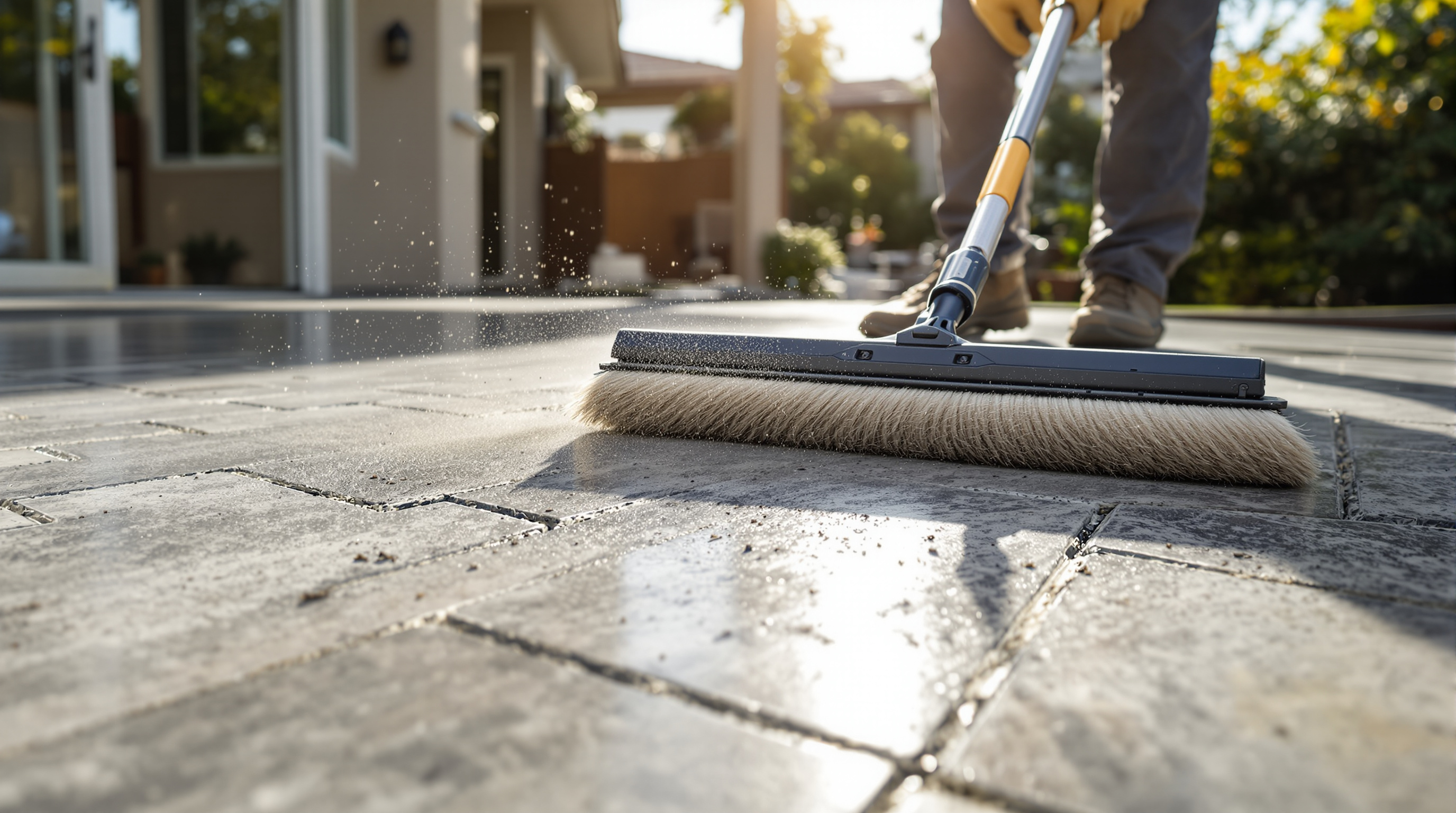
Concrete stain adds translucent color that enhances the slab’s natural texture rather than covering it. Acid stains chemically react with the concrete, creating variegated earth tones. Water-based stains offer broader color options and faster drying.
Best Uses for Stained Concrete
Staining works best on smooth, flat concrete, indoors or in covered patios where water won’t pool. San Diego homeowners often choose staining for garage floors, basement slabs, and patio extensions off covered areas. The finish shows footprints and dust on unpolished surfaces, so high-traffic patios may need weekly sweeping.
Durability and Maintenance
Stained concrete lasts 10–20 years if sealed. The stain itself is permanent (it bonds chemically to the concrete), but the sealer fades and wears. Reapply sealer every 2–3 years. Use pH-neutral cleaners only, acidic or alkaline soaps can dull the finish and compromise the sealer.
Polished Concrete: Sleek and Modern
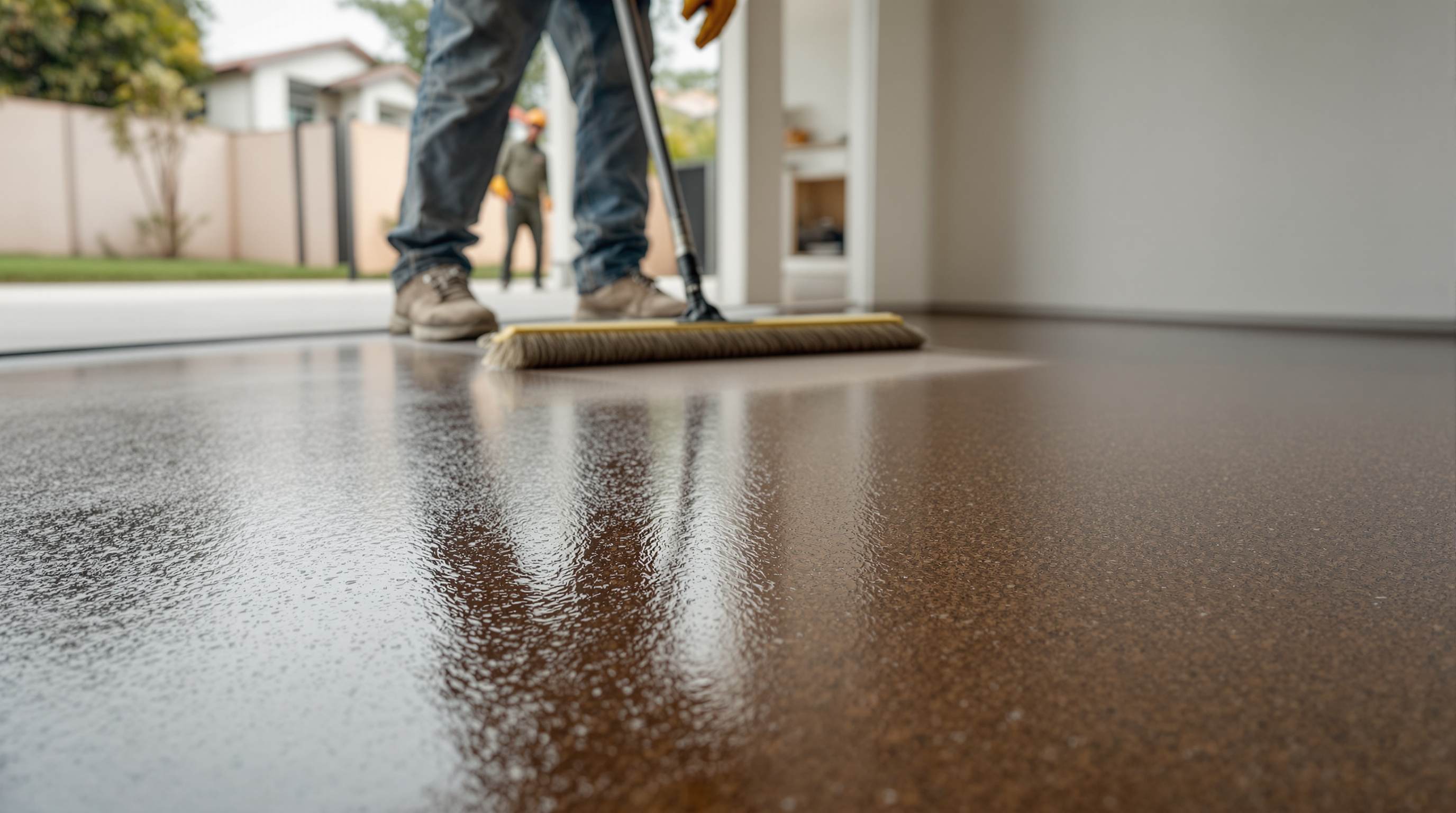
Polished concrete is ground smooth with progressively finer diamond abrasives, then sealed to a matte, satin, or high-gloss finish. This option works indoors and out, creating a seamless, industrial-contemporary look.
Why Polished Concrete Works in San Diego
San Diego’s dry climate means less moisture-related damage to sealed polished surfaces. The finish is ideal for garages, commercial showrooms, and modern patios. It reflects sunlight, which can make summer spaces feel cooler, a bonus in neighborhoods like Mira Mesa and Clairemont.
Durability and Maintenance
Polished concrete lasts 20+ years with basic care. The main advantage is low maintenance, weekly dry sweeping or damp mopping suffices. High-gloss finishes can be slippery when wet, so consider a non-slip additive if the space is near a pool or outdoor kitchen.
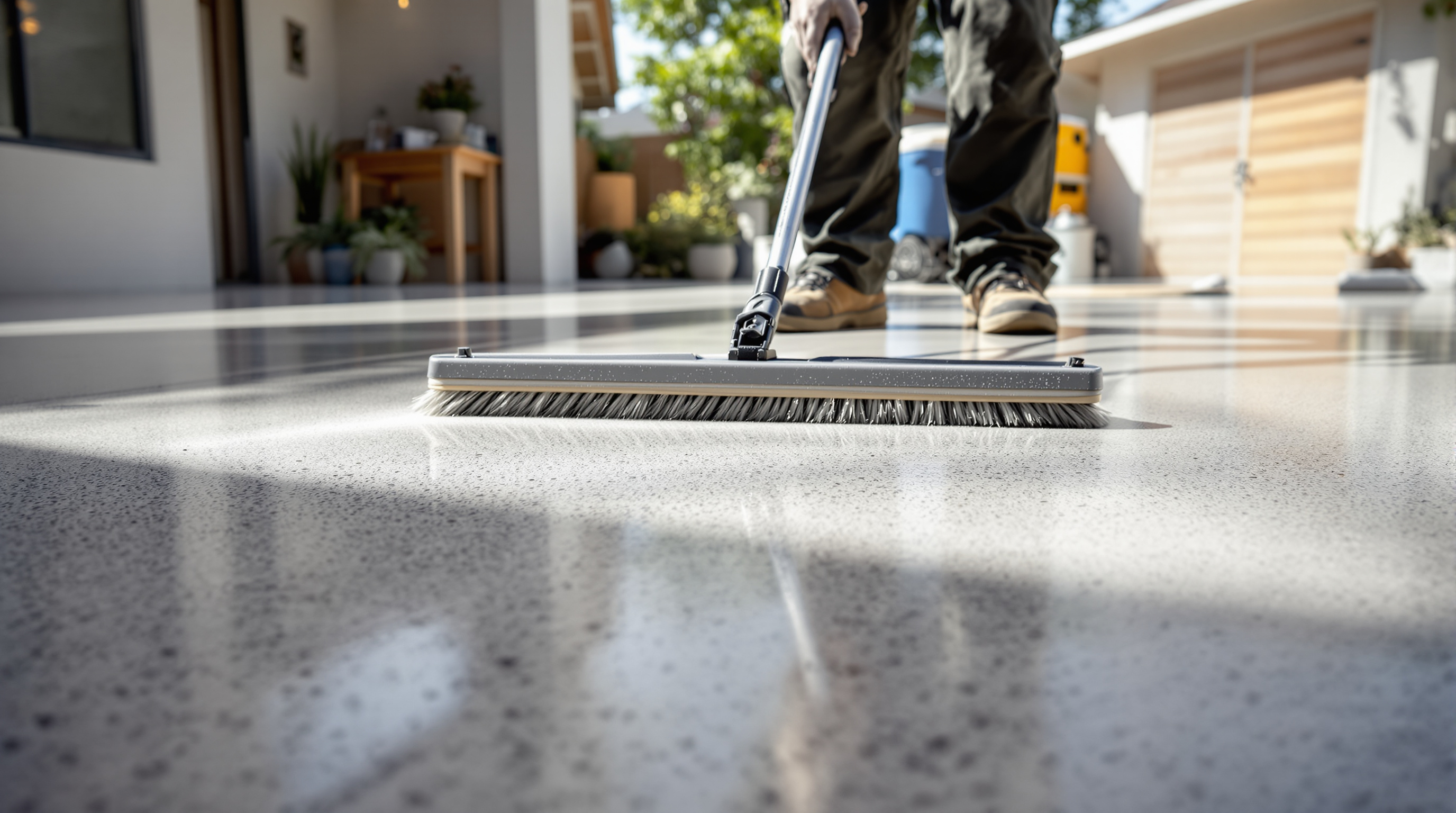
Comparing Decorative Concrete Finishes: Cost, Durability, and Maintenance
| Finish Type | Lifespan | Sealing Required | Maintenance Effort | Best Climate Fit |
|---|---|---|---|---|
| Stamped | 15–25 years | Every 2–3 years | Medium (pressure wash 2x/year) | Dry, sunny (San Diego ideal) |
| Stained | 10–20 years | Every 2–3 years | High (shows dust, needs sweeping) | Any (best indoors or covered) |
| Polished | 20+ years | Not required; optional topcoat every 5 years | Low (damp mop weekly) | Dry, sunny (San Diego ideal) |
Ready to Transform Your Concrete?
SD Concrete Pros specializes in stamped, stained, and polished decorative finishes in San Diego
Combining Decorative Finishes for Maximum Impact
Many San Diego homeowners mix finishes on the same project. A stamped border with a polished or stained center creates visual interest and manages cost effectively. For example, a 400 sq ft patio might have a 100 sq ft polished center (high-traffic zone, lowest maintenance) surrounded by 300 sq ft of stamped concrete (patterned border, visual interest).
Another popular combo: stained accent stripes on a stamped base. This costs slightly more upfront but creates a custom, high-end aesthetic without the expense of all stamped or polished work.
San Diego-Specific Considerations for Decorative Concrete
Climate Factors
San Diego’s annual rainfall is well below the U.S. average. This dry climate is ideal for decorative concrete, but it also means sun exposure is intense. UV rays fade stain and sealer faster than in cloudier regions. Choose premium sealers rated for UV protection, especially in full-sun spaces in neighborhoods like Hillcrest, Mission Hills, or downtown.
Salt air in coastal San Diego (Ocean Beach, Mission Beach, La Jolla) can corrode seals and cause efflorescence (white powder on concrete). Use acrylic or polyurethane sealers rated for salt-air environments. Avoid penetrating sealers in coastal zones.
Neighborhood-Specific Design Trends
In upscale neighborhoods like Rancho Santa Fe and Del Mar, polished and high-end stamped finishes dominate. In Mission Valley and Kearny Mesa, utilitarian stamped concrete for driveways and patios is common. Coastal communities favor muted earth tones to complement the natural landscape.
Permitting and HOA Rules
Most residential decorative concrete work under 500 sq ft does not require a permit in unincorporated San Diego County. However, projects in the City of San Diego, Carlsbad, Chula Vista, or Oceanside may need approval. Check with your local planning department before ordering materials. HOAs may restrict colors or finishes, review CC&Rs before committing.
Choosing the Right Finish for Your Space
Stamped Concrete Is Best If:
- You want a high-end, upscale appearance without expensive stone or brick
- Your patio or driveway is large and visible from the street
- You prefer pattern and texture over solid color
- You’re willing to reseal every 2–3 years
Stained Concrete Is Best If:
- Your budget is tight and you want color depth at a low price
- Your space is indoors or under a covered area (protected from rain splash)
- You prefer a natural, organic look with subtle color variation
- You can commit to sweeping and light maintenance
Polished Concrete Is Best If:
- You want a modern, minimalist aesthetic
- Low maintenance is a priority
- You have a garage, basement, or interior space to polish
- You value durability and long-term value over color options
Common Questions About Decorative Concrete in San Diego
How long does decorative concrete last in San Diego’s climate?
Can you combine stamped, stained, and polished concrete in one project?
Do I need to seal decorative concrete immediately after installation?
What is the best sealer for San Diego coastal areas?
Why Choose SD Concrete Pros for Your Decorative Concrete Project
Our team understands local climate challenges, HOA requirements, and neighborhood aesthetics. We use premium sealers rated for UV and salt exposure.
Whether you’re considering stamped concrete in San Diego, looking into custom decorative finishes, or comparing costs, our team can walk you through options and provide a detailed, transparent estimate.
Ready to upgrade your outdoor space with decorative concrete? Call us today for a free consultation and discover which finish suits your home, budget, and lifestyle.
Get Your Free Decorative Concrete Estimate Today
SD Concrete Pros: stamped, stained, and polished concrete specialists in San Diego
619-848-3880 Related: Why Is My Concrete Patio Sinking? Causes & Solutions in San Diego Related: Pool Deck Concrete Contractors in San Diego: Local Guide
Related Articles
Decorative Concrete San Diego
Decorative concrete in San Diego transforms driveways, patios, and pool decks with stamped patterns, stains, and custom designs. Learn costs, options, and durability for your project.
Read More
How Long Does a Concrete Driveway Last in San Diego?
A concrete driveway in San Diego typically lasts 25–40 years with proper maintenance. Climate, installation quality, and seal coating frequency determine whether yours reaches the upper or lower end.
Read More
Concrete Resurfacing in San Diego: The Complete Guide
Concrete resurfacing in San Diego costs $3 to $7 per square foot and can extend your driveway's life 10+ years. Learn methods, timelines, and when resurfacing beats replacement.
Read More