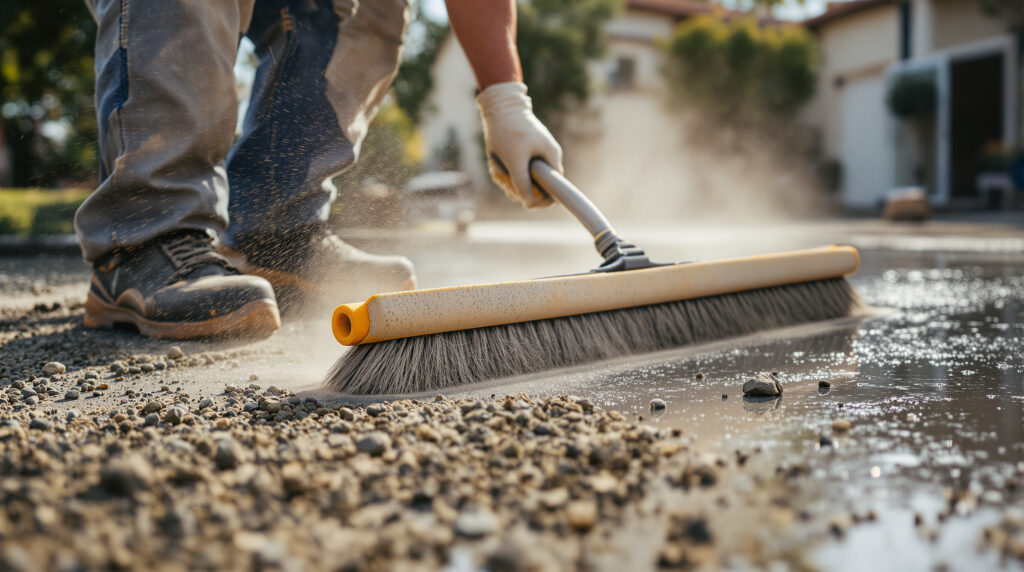
Why is my concrete patio sinking? Most often, it’s because the soil underneath has shifted or eroded, the base wasn’t compacted properly during installation, or water has pooled and weakened the foundation. In San Diego‘s climate, salt air and sporadic heavy rains accelerate this damage. Here’s what’s happening beneath your patio and how to fix it.
- Sinking is caused by soil settlement, poor compaction, or water damage
- Pooling water and inadequate drainage are major culprits in San Diego
- Solutions range from self-leveling polyurethane (mudjacking) to full replacement
- Early detection prevents injury hazards and further damage
What Causes Concrete Patios to Sink
Concrete itself doesn’t shrink or weaken over time under normal conditions. The problem is always the ground underneath. When the soil beneath your patio loses density or shifts, the concrete follows. Understanding the root cause helps you choose the right repair.
Poor Base Preparation
The foundation of any concrete patio is the sub-base, typically 4 to 6 inches of compacted gravel or crushed stone. If this wasn’t properly compacted during installation, it will settle unevenly over months or years. This is especially common in San Diego patios laid 10+ years ago, when some contractors didn’t use mechanical compactors. The weight of the concrete and foot traffic gradually compresses loose material into voids, creating soft spots and dips.
Soil Settlement and Erosion
San Diego’s sandy and silty soils are prone to settlement. When the water table rises during winter rains, the soil swells. When it dries out in summer, it shrinks. This freeze-thaw cycle (though mild here compared to northern climates) still causes small but cumulative shifts. Over time, the patio sinks where the soil is softest.
Heavy foot traffic, furniture, or vehicles on the patio can also compress soil in high-traffic zones, creating a gradual low spot.
Water Damage and Drainage Failure
This is the biggest culprit in San Diego. If water pools on or around your patio, it saturates the soil, weakening its load-bearing capacity. Poor drainage, either because the patio wasn’t sloped correctly or gutters/downspouts redirect water toward the foundation, accelerates sinking.
Salt-laden moisture from the ocean (especially in coastal neighborhoods like Ocean Beach, Pacific Beach, and Mission Beach) also degrades soil structure. The salt crystallizes in pores, weakening the soil’s cohesion.
Tree Roots and Underground Voids
Large trees near your patio (common in Balboa Park neighborhoods and Craftsman-style homes in Hillcrest) can draw water from soil, causing it to shrivel and compact unevenly. Roots themselves may also uplift sections. Old water lines or sewer pipes running beneath the patio can leak and create voids, leaving unsupported pockets.
How to Spot Early Signs of Sinking
Catching sinking early makes repair cheaper and easier. Look for these warning signs:
– Low spots or dips visible when water pools on the patio after rain
– Cracks forming in straight lines or radiating patterns
– Separation between the patio and your house foundation (a major red flag)
– Rocking or movement when you walk or jump on certain areas
– Uneven edges where the patio meets the lawn or adjacent concrete
– Doors or sliding glass doors that stick or drag (sign the patio settled unevenly relative to the structure)
If you see any of these in your San Diego home, take a photo and measure the depth of the low spot with a level and straightedge. A dip of 0.25 to 0.5 inches is worth monitoring. More than 0.5 inches needs professional attention.
Repair Solutions for Sinking Patios
Your options depend on the degree of sinking, the patio’s age, and your budget. SD Concrete Pros offers three main solutions.
Mudjacking (Polyurethane Injection)
This is a popular and cost-effective repair. A contractor drills small holes (typically 5/8 inch diameter) through the sunken concrete and pumps a high-density polyurethane foam beneath it. The foam expands and hardens, lifting the concrete back to level in minutes. There’s no waiting time, you can use the patio immediately.
Pros:
– Fast (same-day repair)
– Minimally invasive
– Long-lasting when done right (10–15 years)
Cons:
– Only works if the underlying soil is stable; won’t help if soil continues to erode
– May need repeat applications if the root cause (poor drainage) isn’t fixed
– Visible drill holes remain, though small
Self-Leveling Concrete Overlay
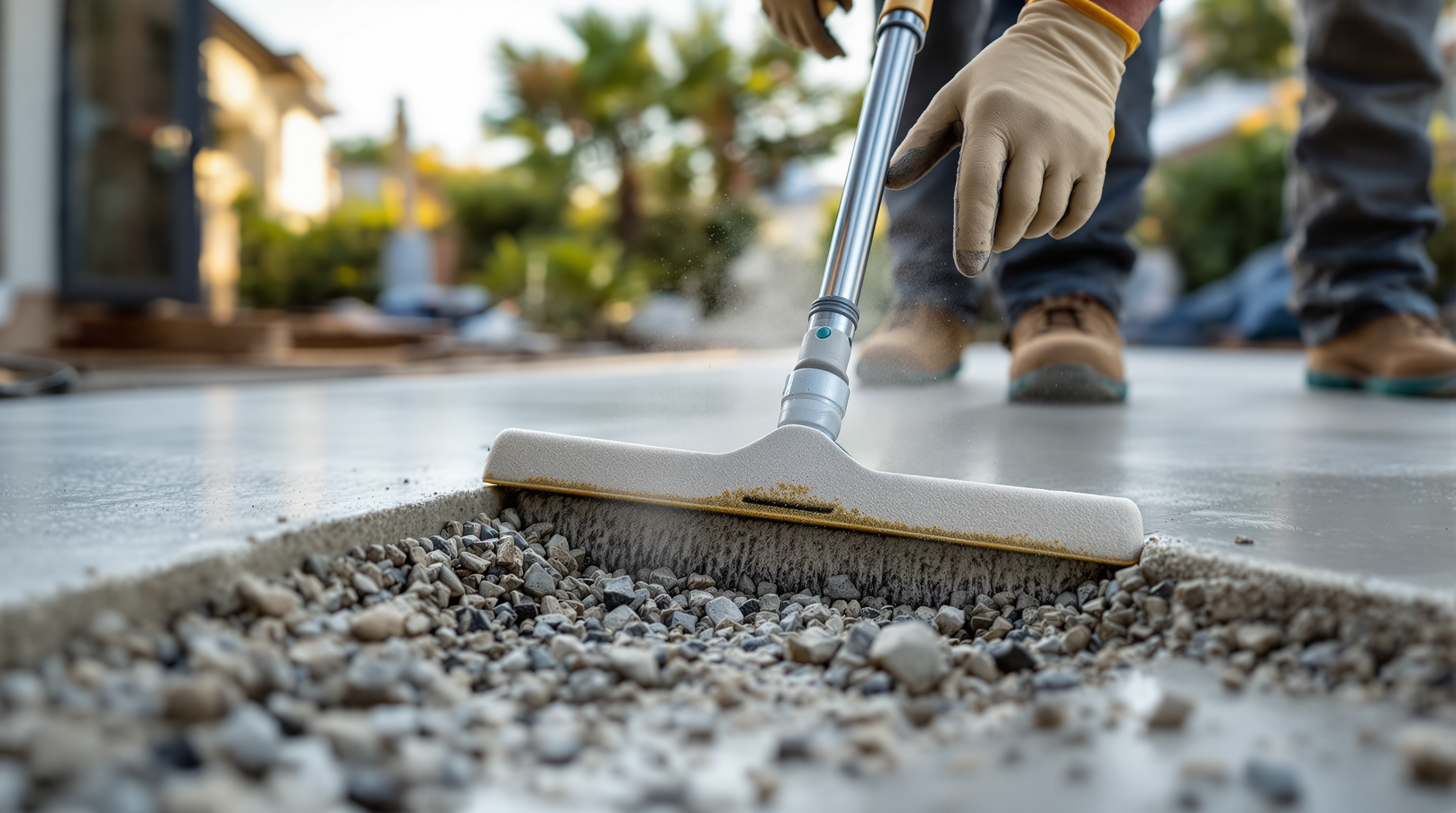
For minor sinking (less than 0.5 inches over a large area), a thin layer of self-leveling concrete can be poured over the existing slab. It flows to fill low spots and hardens into a new, level surface.
Pros:
– Smooth, seamless finish
– Can be decorative (stamped or stained color added)
Cons:
– Doesn’t address the underlying soil problem; sinking may resume
– Raises the patio height slightly (can create step hazards at doors)
– Requires the existing patio to be clean and sound
Complete Removal and Replacement
If the patio has sunk more than 1 inch, has extensive cracking, or the underlying soil is severely compromised, replacement is the most durable solution. The old concrete is removed, the base is completely re-prepped (excavated, graded for drainage, and properly compacted), and new concrete is poured.
Pros:
– Permanent fix (25–30 year lifespan with proper maintenance)
– Allows for improved drainage design and slope
– New patio can be upgraded to stamped, stained, or polished concrete
Cons:
– Highest cost of the three options
– Takes 5–7 days (including curing time)
– Requires jackhammer removal and debris hauling
| Repair Method | Time to Completion | Lifespan | Suited To |
|---|---|---|---|
| Mudjacking (polyurethane) | Same day | 10–15 years | Moderate sinking, stable soil |
| Self-leveling overlay | 1–2 days | 8–12 years | Minor dips, cosmetic upgrade |
| Full replacement | 5–7 days | 25–30 years | Severe damage, poor base, drainage fixes |
Need Help Diagnosing Your Sunken Patio?
Call for a free on-site inspection
Fixing the Root Cause: Drainage
No repair lasts if water keeps damaging the soil below. Before or after fixing the sunken concrete, address drainage.
Slope and Grading
Your patio should slope away from your house at a minimum grade of 1% (0.12 inches per foot). This keeps water from pooling or running toward the foundation. If your patio is flat or slopes the wrong way, standing water will return and cause the same problem again.
A concrete overlay or replacement is a good opportunity to add proper slope.
Gutters and Downspouts
Downspouts should discharge at least 6 feet away from the patio and your home’s foundation. In San Diego’s winter rains, a typical roof can shed 600+ gallons per hour during heavy downpours. If your gutters drain directly onto the patio or near it, that’s a clear source of water damage.
Subsurface Drainage
For patios that sit in naturally low or poorly draining areas (common in neighborhoods like Clairemont and Mira Mesa where clay soils are thick), installing a French drain or perforated drainage trench around the patio’s perimeter can move water away before it saturates the base.
Permitting and Professional Repair in San Diego
Small repairs like mudjacking typically don’t require a permit in San Diego if they’re under 500 square feet and not structural. However, full concrete removal and replacement may require a grading or building permit, depending on your neighborhood and homeowners association rules.
Before hiring, verify the contractor’s CSLB license (California Contractors State License Board).
Prevention: How to Keep Your Patio from Sinking
If you’re planning a new patio or want to protect an existing one:
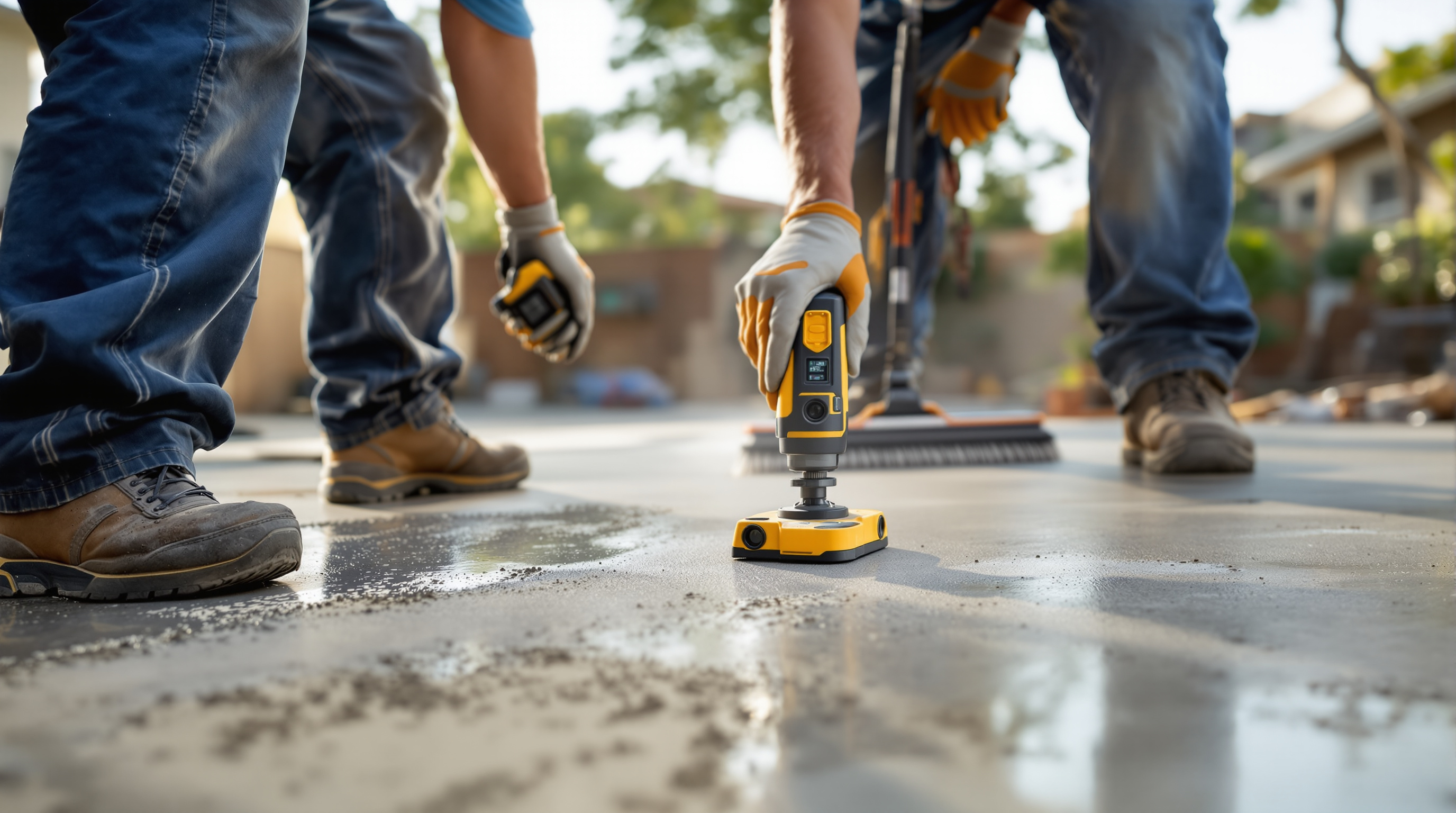
– Hire a contractor who compacts the base properly. Mechanical plate compactors (not hand tamping) are required. Request proof of compaction.
– Slope the patio 1–2% away from the house and any structures.
– Install gutters and position downspouts to direct water away.
– Seal the concrete every 2–3 years. A good sealer keeps water from penetrating and weakening the sub-base.
– Monitor for pooling after rain and address drainage issues immediately.
– Keep large trees trimmed and avoid planting new trees within 10 feet of the patio.
For existing patios, consider a professional concrete resurfacing to add decorative protection. Stamped or stained concrete with a quality sealer can extend the life of your patio by years.
San Diego-Specific Concerns
Our local climate and soil create unique challenges:
Salt Spray and Coastal Erosion
If your home is within 2–3 miles of the ocean (Ocean Beach, Pacific Beach, Del Mar, Coronado), salt-laden air attacks concrete and soil. Salt crystallizes in concrete pores and weakens soil structure, accelerating sinking. Plan for shorter intervals between sealing (every 1–2 years instead of 3).
Winter Rains and Runoff
San Diego’s winter storms are intense but brief. Our sandy soils drain quickly when dry, but saturation happens fast. A patio that sinks in January may be fine again by June, but the damage is cumulative.
Summer Expansion
Dry summers cause soil shrinkage. Roots of nearby shrubs and trees (Acacia, Pepper, Ice Plant) draw moisture from the ground, creating voids. This is why mudjacking sometimes needs refreshing every 10–12 years in San Diego, versus 15+ years in climates with more consistent moisture.
When to Call a Professional
You can monitor and photograph early signs yourself. But if you see:
– Sinking of more than 0.5 inches
– Cracks wider than 1/4 inch
– Water pooling that doesn’t drain
– Separation from your house foundation
– Difficulty opening doors or windows near the patio
Contact a licensed concrete contractor for an on-site evaluation. Most offer free inspections and can recommend the right repair path based on soil conditions, patio age, and your budget.
Frequently Asked Questions
Can I fix a sinking patio myself?
Will my sinking patio get worse over time?
How long does mudjacking last in San Diego?
Can I pour new concrete over a sunken patio?
Ready to Fix Your Sunken Patio?
Get a professional diagnosis and repair estimate today
Related Articles
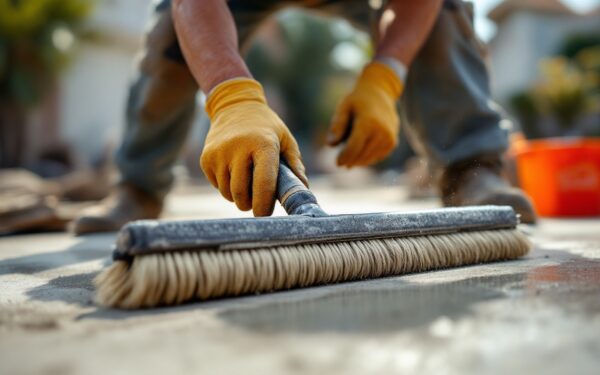
Decorative Concrete San Diego
Decorative concrete in San Diego transforms driveways, patios, and pool decks with stamped patterns, stains, and custom designs. Learn costs, options, and durability for your project.
Read More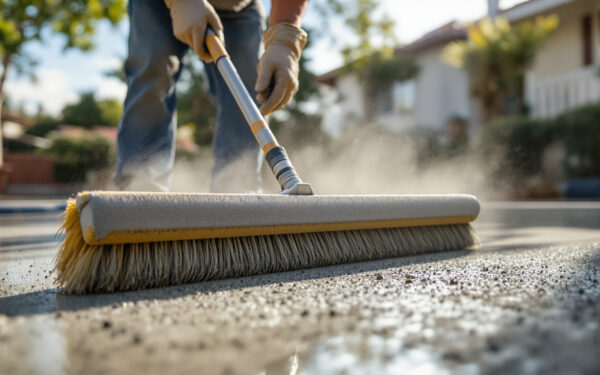
San Diego Concrete Resurfacing: Cost, Methods & When to Resurface
San Diego concrete resurfacing costs $3–$7 per square foot and can extend your surface's life by 10+ years. Learn what drives pricing, which surfaces benefit most, and how to choose between repair methods.
Read More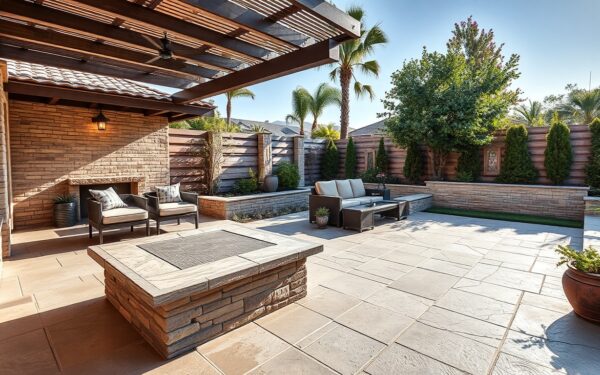
Stamped Concrete Patio Ideas for San Diego Backyards
Discover popular stamped concrete patio designs for San Diego homes. Learn about pattern options, color combinations, cost, and maintenance tips for your backyard.
Read More