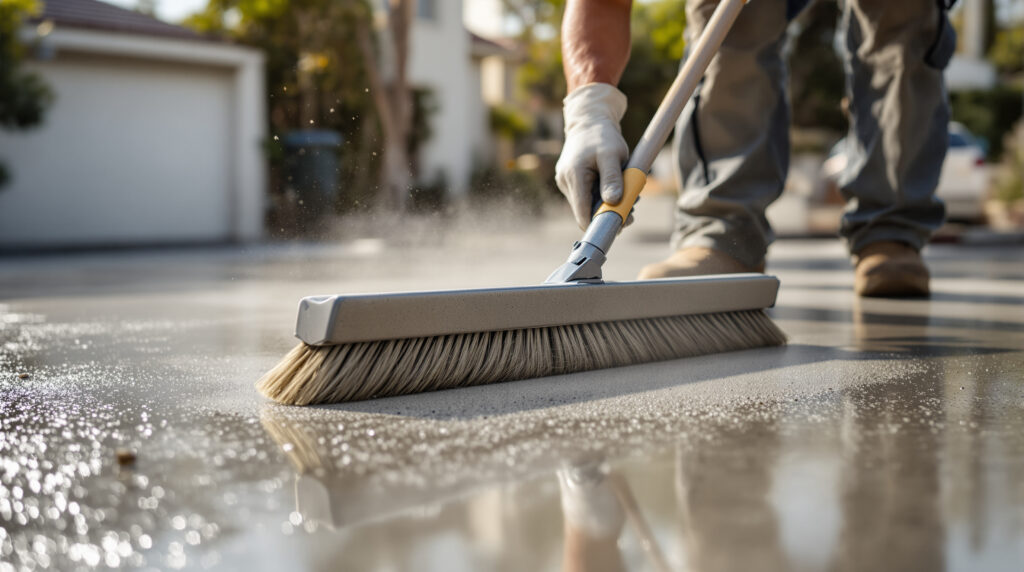
- Concrete resurfacing pricing in San Diego depends on method, prep, and site conditions
- Popular methods: concrete overlay, skim coat, stamped finish, and stained overlay
- Typical timeline: 3–7 days from prep to full cure (concrete cures fully in 7–14 days)
- Suited to: cracks under 1/8 inch, surface spalling, discoloration, and minor settlement
- Costs less than full replacement and extends surface life 10–15 years
concrete resurfacing san diego, Concrete resurfacing in San Diego is a cost-effective way to restore a damaged or worn driveway, patio, or pool deck without tearing out and replacing the entire slab. If your concrete has developed small cracks, surface spalling, stains, or just looks tired, resurfacing can add 10–15 years of life and transform the appearance in as little as a week. We’ll walk you through every method, timeline, and how to know when resurfacing makes sense versus full replacement.
What Is Concrete Resurfacing and Why San Diego Homeowners Choose It
Concrete resurfacing applies a new bonded layer, typically 1/4 to 1/2 inch thick, over the existing slab. The process doesn’t remove the original concrete; instead, it repairs the surface, hides damage, and restores aesthetics and functionality. In San Diego’s warm, dry climate, resurfacing works exceptionally well because UV exposure and salt air don’t prevent proper adhesion, and low rainfall means the cure process is reliable.
The key advantage over full replacement is cost and time. A complete tear-out, haul-away, and new pour takes about 2–3 weeks. Resurfacing cuts that to 3–7 days of active work.
Concrete Resurfacing Methods in San Diego
Not all resurfacing is the same. The method you choose depends on the extent of damage, your budget, and the look you want.
Overlay (Bonded Concrete Overlay)
A bonded concrete overlay is a 1/2- to 1-inch layer of new concrete adhesive-bonded directly to the existing slab. After power-washing and light acid-etching, crews apply a bonding agent, then pour the new concrete mix and finish it to your specs. This method is durable and can accept stamping, staining, or a simple broom finish.
Lifespan: 10–15 years with proper maintenance.
Suited to: Large areas, decorative finishes, moderate damage.
Skim Coat (Thin Concrete Resurfacer)
A skim coat is a self-leveling cement-based product applied 1/4 inch thick. It’s ideal for filling minor cracks and leveling low spots on driveways and patios. The skim coat doesn’t add structural strength, but it restores a clean, uniform surface and can be sealed for protection.
Lifespan: 5–8 years (shorter than overlay).
Suited to: Light cosmetic repairs, small cracks, low budgets.
Stamped Overlay
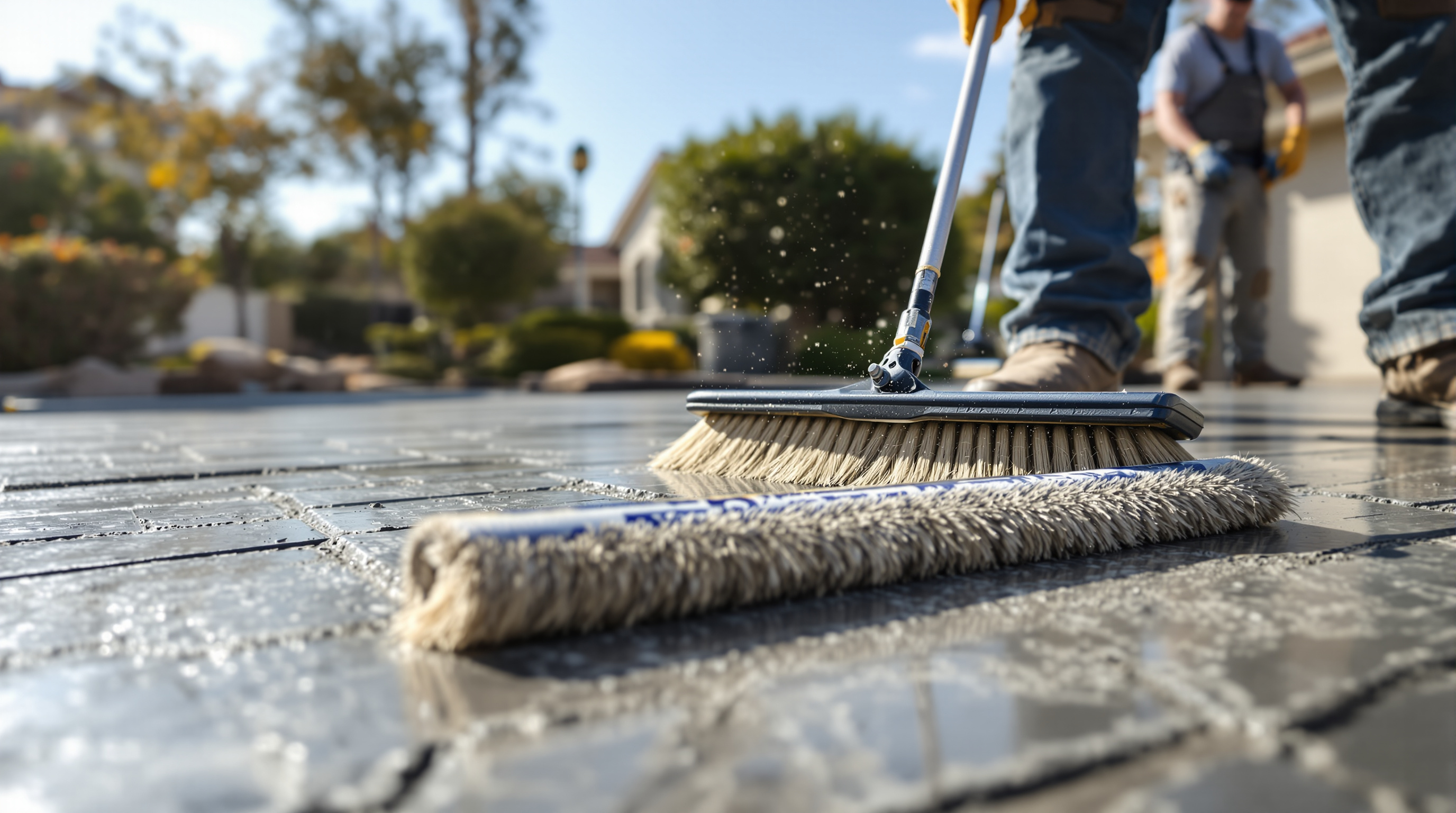
A stamped overlay combines the durability of an overlay with decorative patterns (slate, brick, stone, wood-plank designs). Crews pour the overlay, then stamp it before it fully cures. The result mimics pavers or natural stone at a fraction of the cost. Many San Diego homeowners in Hillcrest, Pacific Beach, and Del Mar choose stamped overlays to boost curb appeal.
Lifespan: 10–15 years (can chip if subjected to heavy impacts).
Suited to: High-visibility areas, decorative appeal, pattern-based finishes.
Stained and Polished Overlay
After applying an overlay, crews can grind and polish the surface to a smooth, glossy finish, then apply acid or water-based stains for color. This method delivers a sophisticated, low-maintenance look popular in coastal neighborhoods.
Lifespan: 10–15 years with regular sealing.
Suited to: Interior patios, pool decks, contemporary designs.
| Method | Thickness | Lifespan | Suited To |
|---|---|---|---|
| Overlay | 1/2–1 inch | 10–15 years | Large areas, durability |
| Skim Coat | 1/4 inch | 5–8 years | Light cosmetic repairs |
| Stamped Overlay | 1/2–1 inch | 10–15 years | Decorative finishes |
| Stained & Polished | 1/2–1 inch | 10–15 years | High-end patios |
Ready to Restore Your Concrete?
Get a custom quote for resurfacing in San Diego
Cost Breakdown: What Affects Your Concrete Resurfacing Price in San Diego
Resurfacing costs vary widely based on several factors specific to your project and site.
Surface Preparation and Repair
The existing concrete must be thoroughly prepped before resurfacing. This means power-washing to remove dirt and algae, acid-etching to etch the surface for adhesion, filling deep cracks with epoxy or polyurethane, and repairing spalled edges. In coastal San Diego areas (Ocean Beach, Mission Beach), salt air often causes more spalling, driving prep costs higher.
Material and Method
A simple skim coat uses cheaper resurfacer and is fast to apply. A stamped overlay requires more labor, molds, and skill. Decorative stains and sealers add material cost. Base concrete mix quality, brand additives (quick-set, color), and any custom pigments all factor into material costs.
Square Footage
Small projects (under 200 sq ft) often carry a higher per-square-foot cost due to fixed labor and equipment setup.
Accessibility and Site Conditions
Steep driveways, narrow side yards, or areas requiring concrete removal require extra equipment and labor. San Diego neighborhoods like Bankers Hill and North Park, with tight street parking and uphill access, often incur higher labor costs. Flat, open sites reduce cost.
Finishing and Decorative Elements
A broom finish is standard. Stamping, staining, polishing, and sealing all add to the cost.
Concrete Resurfacing Timeline: From Estimate to Cure
Understanding how long resurfacing takes helps you plan around your schedule. The total timeline breaks into three phases: preparation, installation, and curing.
Preparation Phase (1 day)
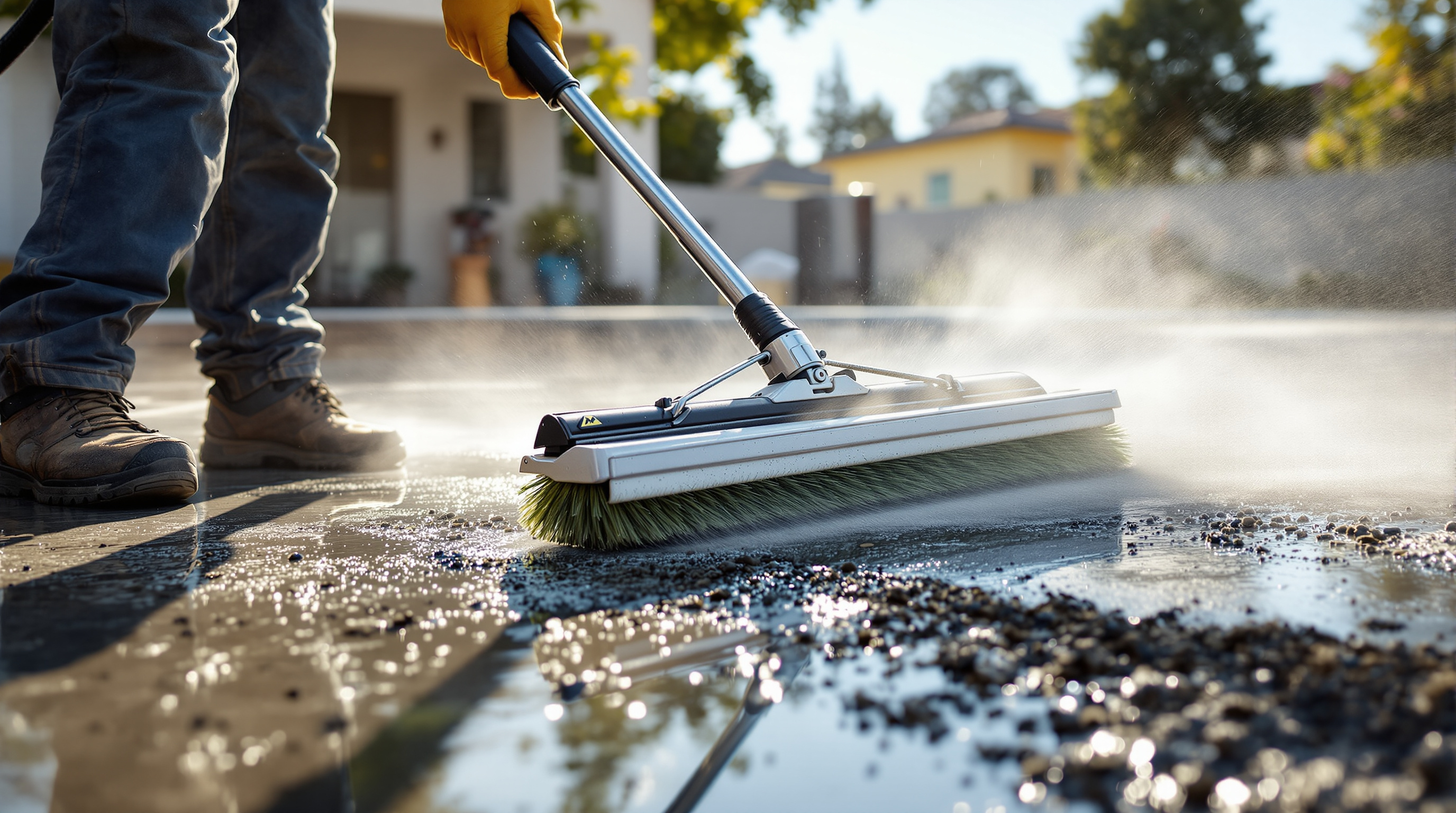
Crews power-wash, acid-etch, and allow the surface to dry fully. This cannot be rushed, moisture trapped under resurfacer causes poor adhesion and premature failure. In San Diego’s low-humidity climate, drying typically takes 4–8 hours on a sunny day but may extend to 12–24 hours if morning fog is heavy or if the surface is shaded.
Installation Phase (1–3 days)
Application depends on method and size. A skim coat on a small patio takes 4–6 hours. A stamped overlay on a large driveway may take 1–2 days. After pouring and finishing, the new surface develops initial set within 24 hours, but it is not fully cured.
Curing Phase (7–14 days)
Concrete cures chemically over time. For resurfaced concrete, foot traffic is safe after 24–48 hours, but vehicle traffic should wait 5–7 days. Full cure, when the concrete reaches 90% of its design strength, takes 7–14 days. Temperature and humidity affect cure speed. San Diego’s warm average temps (65–72°F) accelerate curing compared to cooler climates.
Most homeowners see their resurfaced concrete ready for normal use within 5–7 days total from start to finish.
When to Resurface vs. When to Replace
Resurfacing is a smart investment only if the base concrete is structurally sound. Here’s how to know the difference.
Signs Resurfacing Will Work
- Surface cracks: Hairline to 1/8-inch cracks (not expanding)
- Spalling: Flaking or scaling on the top layer only
- Discoloration or stains: No structural issues, just cosmetic
- Minor unevenness: Bumps under 1/2 inch over a 10-foot span
- Slab is level and not sinking: No active settlement or cracking pattern spreading
Signs You Need Full Replacement
- Deep cracks: Over 1/4 inch wide, continuing to expand, or showing a step pattern
- Slab is sinking or settling: Especially common in older San Diego neighborhoods near the coast where soil subsidence occurs
- Active water damage: Concrete is deteriorating from inside out due to freeze-thaw cycles (rare in San Diego) or salt intrusion (coastal areas)
- Large, failing areas: More than 30% of the surface is broken or missing
- Base slab is unstable: Hollow sounds when tapped, or surface moves under foot traffic
If you’re uncertain, a professional inspection is worth the cost. SD Concrete Pros offers free evaluations to determine whether your concrete is a candidate for resurfacing or needs replacement.
Permits and Regulations for Concrete Resurfacing in San Diego
San Diego’s building code (based on the California Building Code) doesn’t always require permits for concrete resurfacing, but it depends on scope and location.
When Permits Are Required
- Resurfacing over 500 square feet in unincorporated San Diego County
- Stamped or decorative finishes that change the surface’s load-bearing characteristics
- Any resurfacing in flood zones (southern neighborhoods like South Bay and Imperial Beach)
- Projects affecting drainage or grading near property lines
When Permits Are Optional or Waived
- Skim coats under 200 square feet (most homeowner patios)
- Simple overlay on existing driveways under 500 sq ft (within City of San Diego limits)
- Like-for-like repairs with no design changes
Municipalities vary: City of San Diego, Chula Vista, Carlsbad, and Oceanside each have slightly different thresholds. A licensed contractor like SD Concrete Pros knows your jurisdiction’s rules and files paperwork if needed.
Maintenance and Longevity of Resurfaced Concrete
Proper care extends the life of your resurfaced concrete to the full 10–15 years. The first 30 days are critical, but ongoing maintenance ensures durability.
First 30 Days
- Avoid heavy water exposure or rain (cover if needed in rainy season, though San Diego rain is light, winter storms happen).
- Keep foot and light vehicle traffic minimal.
- Do not seal until day 7–10 (concrete must cure fully).
- Avoid harsh cleaners or deicing salts.
Long-Term Care
- Seal every 1–2 years: A quality concrete sealer (penetrating or membrane type) protects against water, oil, and UV damage. In coastal San Diego, salt spray accelerates sealer breakdown, yearly sealing is smart.
- Clean regularly: Hose down driveways and patios monthly to remove salt, dust, and debris.
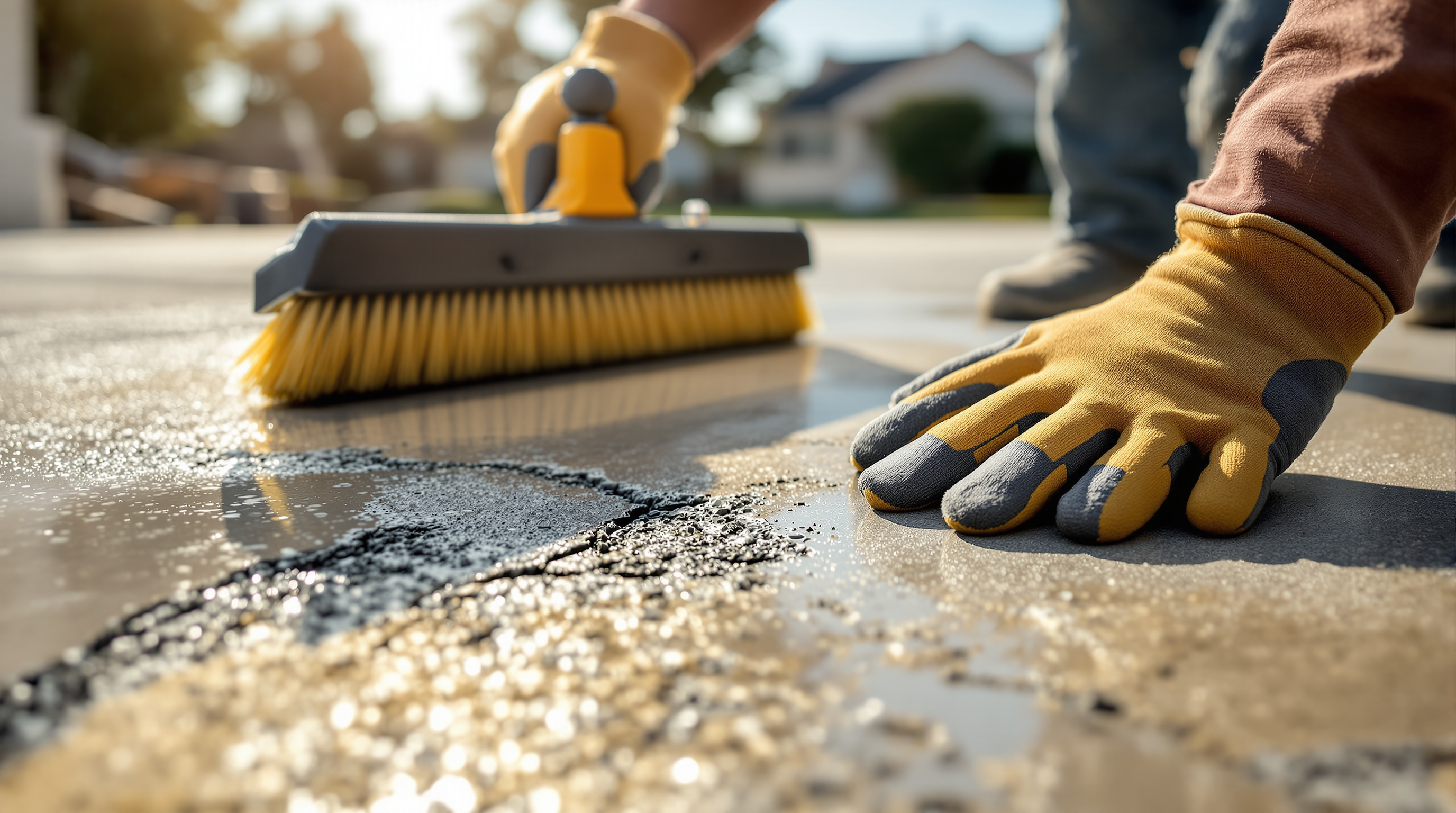
- Address cracks early: Small cracks in new resurfacer can be sealed with concrete crack filler before they spread.
- Avoid harsh chemicals: De-icing salts damage concrete. Use sand or cat litter for traction in rare San Diego freezes.
- Manage water drainage: Ensure water runs off the surface, not pooling. Pooling causes mold and accelerates deterioration.
Extend Your Concrete’s Life, Schedule Your Free Inspection Today
Don’t wait for small cracks to become big problems. SD Concrete Pros will assess whether your driveway or patio is a good candidate for resurfacing and give you an honest estimate with no pressure.
Concrete Resurfacing vs. Other Repair Options
Resurfacing isn’t the only way to fix damaged concrete. Here’s how it compares to alternatives.
Patching
Patch concrete (filling individual cracks or spalled areas with patch compound) doesn’t address underlying issues. Patches often fail within 1–2 years because they don’t bond to the base slab as strongly as an overlay. Use patching for very small, isolated damage only.
Concrete Repair (Epoxy or Polyurethane Injection)
For deep structural cracks, epoxy or polyurethane injection fills and stabilizes the crack without resurfacing. This works well when cracks are the only issue, but doesn’t fix spalling, stains, or unevenness. Often used in combination with resurfacing.
Replacement
Tear out the old slab, prep the base, pour new concrete. It takes 2–3 weeks and provides a completely new surface. Choose replacement when the slab is failing structurally or you want a completely fresh start.
| Option | Timeline | Suited To | Lifespan |
|---|---|---|---|
| Patching | 1 day | Small isolated damage | 1–2 years |
| Crack Injection | 1–2 days | Deep cracks only | 5–10 years |
| Resurfacing | 3–7 days | Surface damage, discoloration, spalling | 10–15 years |
| Replacement | 2–3 weeks | Structural failure, complete refresh | 30+ years |
How to Hire a Concrete Resurfacing Contractor in San Diego
Choosing the right contractor is critical. A poor resurfacing job can fail in 2–3 years. Here’s what to look for:
Verify License and Insurance
Concrete contractors in California must hold a CSLB (Contractors State License Board) license. Ask for the license number and verify it at cslb.ca.gov. Confirm they carry liability and workers’ compensation insurance, asking for a certificate is standard practice.
Check References and Reviews
Ask for 3–5 recent project photos and contact information for past clients. Read online reviews on Google, Yelp, and the Better Business Bureau. Look for patterns in feedback; professionalism and timeline adherence matter.
Get Multiple Quotes
Obtain estimates from at least three contractors. The quote should break down labor, materials, permits, and timeline. If one quote is drastically lower, ask why (it may signal corner-cutting).
Learn more about hiring a licensed contractor in San Diego to avoid costly mistakes.
FAQ
How long does concrete resurfacing take?
Can you resurface concrete with deep cracks?
Does concrete resurfacing look like new concrete?
Is resurfacing cheaper than replacement?
How long does resurfaced concrete last?
Ready to Transform Your Concrete?
Call SD Concrete Pros for a free inspection and resurfacing estimate
Related Articles
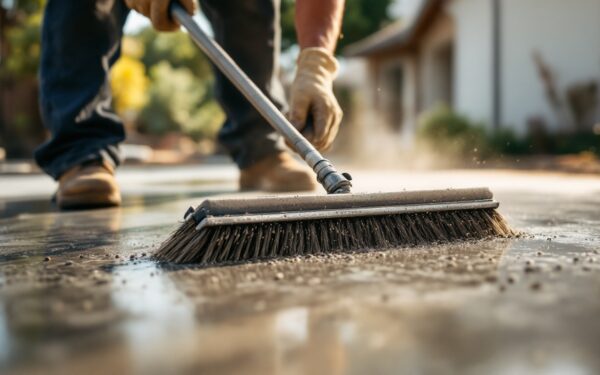
San Diego Concrete Resurfacing: Driveway, Patio & Pool Deck
San Diego concrete resurfacing costs $3 to $7 per square foot and breathes new life into worn driveways, patios, and pool decks. Learn what affects pricing, which surfaces qualify, and why resurfacing beats full replacement.
Read More
Pool Deck Concrete in San Diego: Finishes, Options & Contractors
Pool deck concrete in San Diego ranges from $8–$18 per square foot depending on finish type and site conditions. Learn what contractors charge, material options, and how to hire the right team for your backyard.
Read More
Concrete vs Pavers San Diego Driveway
Comparing concrete and pavers for San Diego driveways? Concrete costs $8–$15/sq ft and lasts 30+ years. Pavers run $15–$25/sq ft with easier repairs. Learn the tradeoffs in durability, maintenance, climate fit, and total cost of ownership.
Read More