We come out, measure, and give you a written price. No obligation.
Stamped concrete San Diego pricing depends on pattern complexity, base prep, and finish type. Design intricacy, existing surface condition, and site access drive price variation. This guide covers everything you need to know before hiring a contractor.
- Timeline: 5–10 days for cure before full use
- Best for: Driveways, patios, pool decks, commercial spaces
- Lifespan: 25–30 years with proper sealing
- Maintenance: Reseal every 2–3 years in San Diego climate
What Is Stamped Concrete and Why Choose It in San Diego?
Stamped concrete is regular concrete poured and finished with patterns, textures, and color applied before or after curing. Special mats and tools press designs into the fresh surface, creating the look of brick, tile, slate, or stone at a fraction of the cost.
San Diego’s year-round mild weather makes stamped concrete an ideal choice. Low rainfall and consistent temperatures minimize freeze-thaw damage, and the sunny climate shows off color and detail better than cooler regions. Neighborhoods like La Jolla, Del Mar, and Coronado feature stamped concrete extensively in residential and commercial projects.
Unlike pavers or natural stone, stamped concrete is monolithic, one solid slab with no joints where weeds grow. It resists oil stains better than bare concrete and reflects heat less than dark asphalt, making it cooler underfoot in summer.
Stamped Concrete Design Options and Patterns
The appeal of stamped concrete lies in design flexibility. Contractors can replicate dozens of natural and geometric finishes.
Popular Pattern Types
Irregular rectangular blocks resembling cut slate. Works well on patios and pool decks. Cost: midrange.
Classic offset brick pattern. Perfect for driveways and walkways. Very durable appearance and grip.
Alternating perpendicular blocks. Adds visual interest without looking too busy. Common in San Diego commercial spaces.
Large irregular polygonal shapes. High-end look. Requires skilled contractor for clean detail.
Rounded or chamfered small blocks. Adds European charm. Excellent for curved edges and accents.
Modern angular designs, custom shapes, and branded logos. Requires specialized mats and experience.
Color and Finish Options
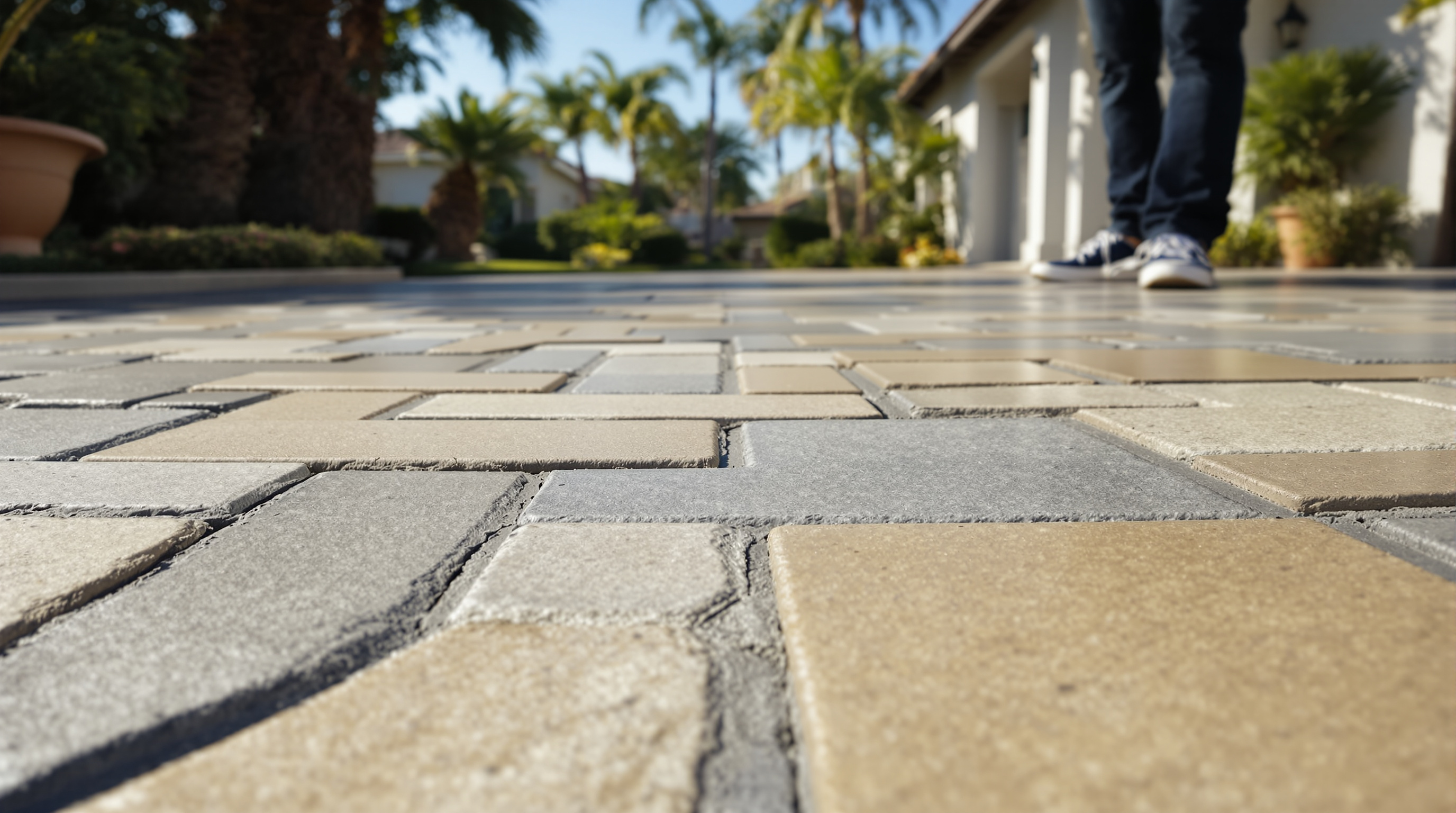
Color is applied as an integral dye mixed into the concrete, a surface hardener, or an acid stain applied after curing. Integral dyes offer 15+ standard colors, grays, tans, reds, charcoals. Acid stains create mottled, variegated tones that mimic natural stone.
Finish choices include matte (everyday look), satin (subtle sheen), and high-gloss (wet appearance, slippery when wet, not recommended for driveways). Most San Diego residential projects use matte or satin finishes for safety and durability.
Stamped Concrete Cost Breakdown for San Diego
Labor and material costs vary by location and project scope.
| Project Type | Square Footage |
|---|---|
| Driveway | 400–600 sq ft |
| Patio | 200–400 sq ft |
| Pool Deck | 300–600 sq ft |
| Commercial Floor | 1,000+ sq ft |
| Walkway/Entry | 50–150 sq ft |
Factors That Increase Price
- Existing surface removal: Tearing out old concrete or asphalt adds to the cost.
- Soil prep and compaction: Poor drainage or unstable subgrade requires engineered fill and extended prep, adding to the cost.
- Complex patterns: Intricate flagstone or custom logos cost more than simple geometric stamps.
- Multiple colors: Blending two or three stain colors costs more per square foot than single-color.
- Sealing upgrade: Premium penetrating sealer for high-traffic areas adds to the cost per square foot.
- Slope and drainage: Proper drainage grading (required by building code) adds labor time, especially on patios near structures.
- Site access: Narrow gates, steep driveways, or crowded streets in neighborhoods like Mission Hills or Ocean Beach increase labor.
What’s Included in Installation
A professional stamped concrete estimate from SD Concrete Pros covers demolition of existing surface, soil excavation and compaction, gravel base layer, concrete forming and reinforcement (rebar or wire mesh), concrete pour, stamping with patterns, coloring and staining, sealing, and cleanup.
Ready for a Free Estimate?
Get an accurate quote for your stamped concrete project
Installation Process and Timeline
Proper installation is crucial for longevity. A rushed pour or poor base preparation leads to cracks, surface spalling, and premature failure.
Step-by-Step Installation
Remove existing surface, excavate and compact soil, add 4–6 inches of compacted gravel base, set wooden or metal forms to grade, check slope for drainage.
Mix and pour concrete (typically 4 inches thick for driveways, 3.5 for patios). Screed to grade, remove air bubbles with vibration, smooth the surface.
At ideal concrete firmness (usually 4–8 hours after pour), apply release agent, press stamps firmly and evenly, lift stamps cleanly, apply acid stain or dyes if desired.
Allow concrete to cure fully (24–48 hours minimum), wash off release agent, apply penetrating sealer, let cure an additional 48 hours before foot traffic.
After 7 days, light foot traffic is safe. Wait 28 days before allowing vehicle traffic or moving heavy furniture. Avoid salt or harsh chemicals during first month.
Weather delays are common in San Diego. Rare heavy rain or temperatures below 50°F can postpone pouring. Plan for 5–10 business days total, plus a 28-day cure before full loading.
Durability and Lifespan of Stamped Concrete
Stamped concrete typically lasts 25–30 years in San Diego’s climate. The monolithic design resists settling better than pavers, and the sealed surface sheds water rather than absorbing it.
Common Wear Patterns
High-traffic areas (driveway aprons, pool deck edges) may show wear in the sealer within 2–3 years. Hairline cracks (less than 1/8 inch) are normal and do not affect function. Larger cracks (greater than 1/4 inch) or spalling (surface chunks breaking away) require repair to prevent water infiltration.
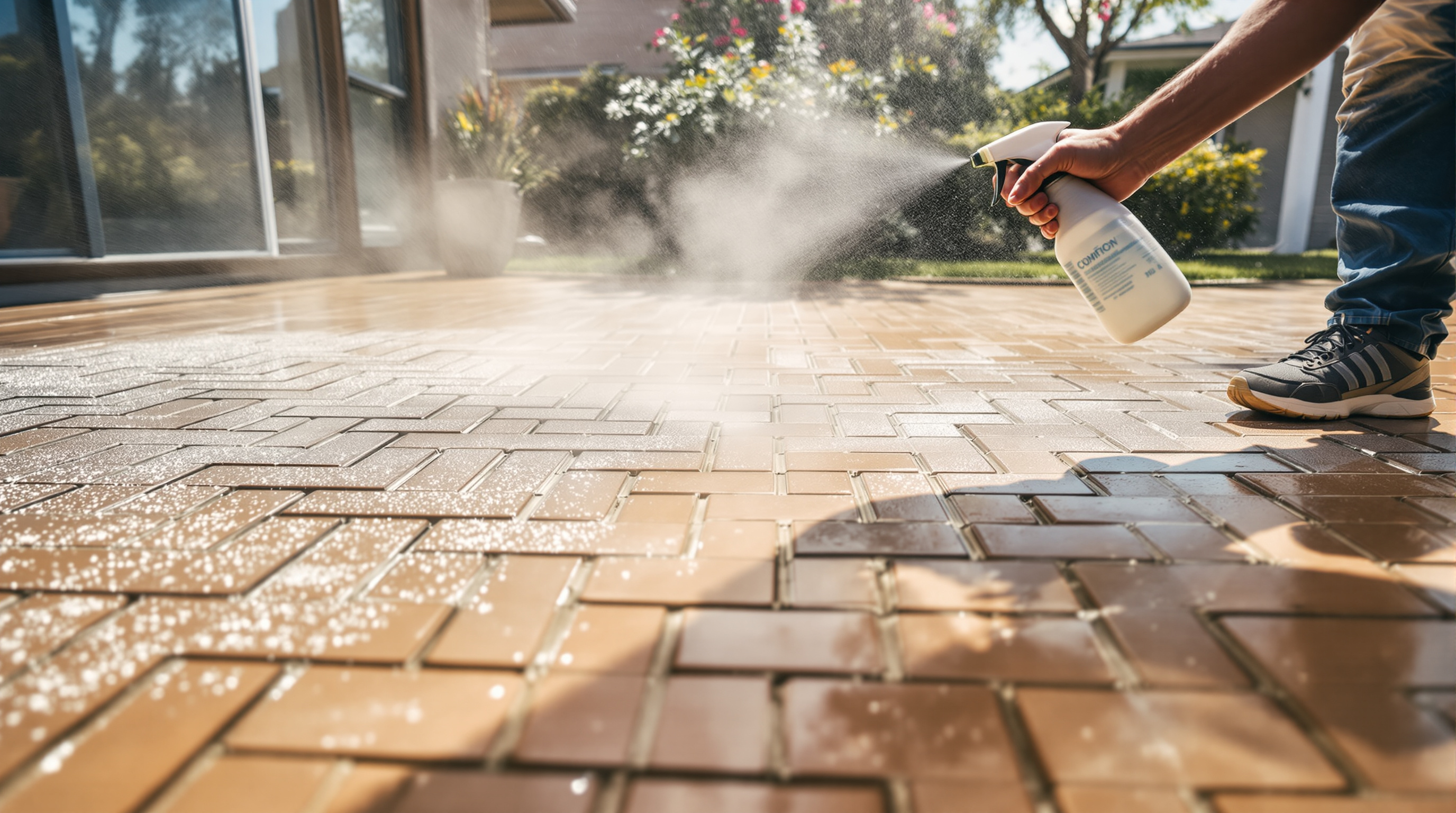
UV exposure fades color gradually over 15–20 years, especially with dark stains. San Diego’s intense coastal sun accelerates this. Resealing every 2–3 years maintains color depth and water repellency.
Climate Advantages in San Diego
San Diego rarely experiences freeze-thaw cycles that crack concrete in northern climates. Seasonal temperature swings of 20–30°F are gentle compared to Denver or Minneapolis. Low humidity and minimal acid rain mean less efflorescence (white salt buildup) and chemical degradation. These conditions extend stamped concrete lifespan significantly.
Salt air in coastal neighborhoods (Pacific Beach, Ocean Beach, La Jolla) can accelerate sealer breakdown and corrode rebar if concrete is damaged. Specify marine-grade sealer and ensure proper reinforcement spacing if your project is within 2 miles of the ocean.
Maintenance Requirements for San Diego Homeowners
Stamped concrete demands more upkeep than plain concrete but less than pavers. Regular maintenance protects your investment and preserves appearance.
Monthly and Seasonal Tasks
- Sweep and rinse: Remove leaves, sand, and dirt monthly. Use a garden hose, not a pressure washer (high pressure damages sealer).
- Spot clean: Address oil spills, pet stains, and algae promptly with appropriate cleaners. Most can be handled with a stiff brush and mild detergent.
- Winter care: San Diego rarely needs de-icing, but avoid salt accumulation near the coast. Rinse heavily salted surfaces thoroughly.
- Summer UV: Ensure deck is fully sealed before intense summer sun. Reapply sunscreen (UV-protection sealer) to high-use areas annually if possible.
Annual Sealing Schedule
Reseal stamped concrete every 2–3 years in San Diego. Penetrating acrylic or polyurethane sealers are industry standard. One gallon covers about 300–400 square feet. Failure to reseal leads to water absorption, freeze-thaw cracking (in rare hard freezes), and stain seeping into concrete.
Comparing Stamped Concrete to Other San Diego Patio and Driveway Options
Several alternatives compete with stamped concrete. Each has tradeoffs in cost, durability, and aesthetics.
| Option | Lifespan | Maintenance | Best For |
|---|---|---|---|
| Stamped Concrete | 25–30 years | Reseal every 2–3 years | Large patios, driveways, pools |
| Concrete Pavers | 20–25 years | Repoint joints, resand, weed removal | Small accents, curved designs |
| Natural Stone (Slate) | 40+ years | Reseal every 1–2 years, stain removal | High-end residential, entries |
| Plain Concrete (Broom Finish) | 20–25 years | Minimal, occasional sealing | Functional driveways, budget projects |
| Permeable Concrete Pavers | 20–25 years | Occasional cleaning, no sealing | Eco-friendly patios, stormwater compliant |
Stamped concrete offers good value for large areas. Natural stone lasts longer but costs more and requires specialized care. Pavers offer flexibility but need weeding and repointing. For a 400-square-foot driveway in San Diego, stamped concrete costs less than natural stone while achieving a similar aesthetic.
Hiring a Stamped Concrete Contractor in San Diego
Contractor quality varies dramatically. Poor execution wastes money and causes premature failure. Verify licensing, insurance, and references before signing.
What to Look for
- CSLB License: California contractors must hold a valid Contractors State License Board (CSLB) license number. Verify at cslb.ca.gov.
- Insurance: Require general liability and workers compensation. Ask to see current certificates.
- Local experience: Contractors familiar with San Diego soil, drainage, and climate perform better. Ask for neighborhood references.
- Stamp inventory: Quality contractors own dozens of stamp patterns. Generic, worn mats produce poor definition.
- Written estimate: A detailed breakdown shows professionalism and protects both parties. Vague estimates hide surprises.
Permitting in San Diego
Most decorative concrete work does not require a building permit if it is less than 200 square feet and does not change drainage. Larger projects, driveways that alter slope toward a neighbor’s property, and commercial work require a permit. Check with your local city or county (San Diego, Chula Vista, Carlsbad, Encinitas, etc.) before hiring, as permitting may add time to the project. Your contractor should handle permit paperwork as part of the bid.
Stamped Concrete for Driveways, Patios, and Pool Decks
Application-specific considerations affect design and durability.
Driveway Stamped Concrete
Driveways need textured finishes for traction and durability. Avoid glossy finishes. Running bond brick or ashlar slate patterns hide tire wear and dirt. Use a minimum 4-inch thickness, 4,000 psi concrete strength, and wire mesh or rebar. Expect light oil stains, seal annually.
Patio Stamped Concrete
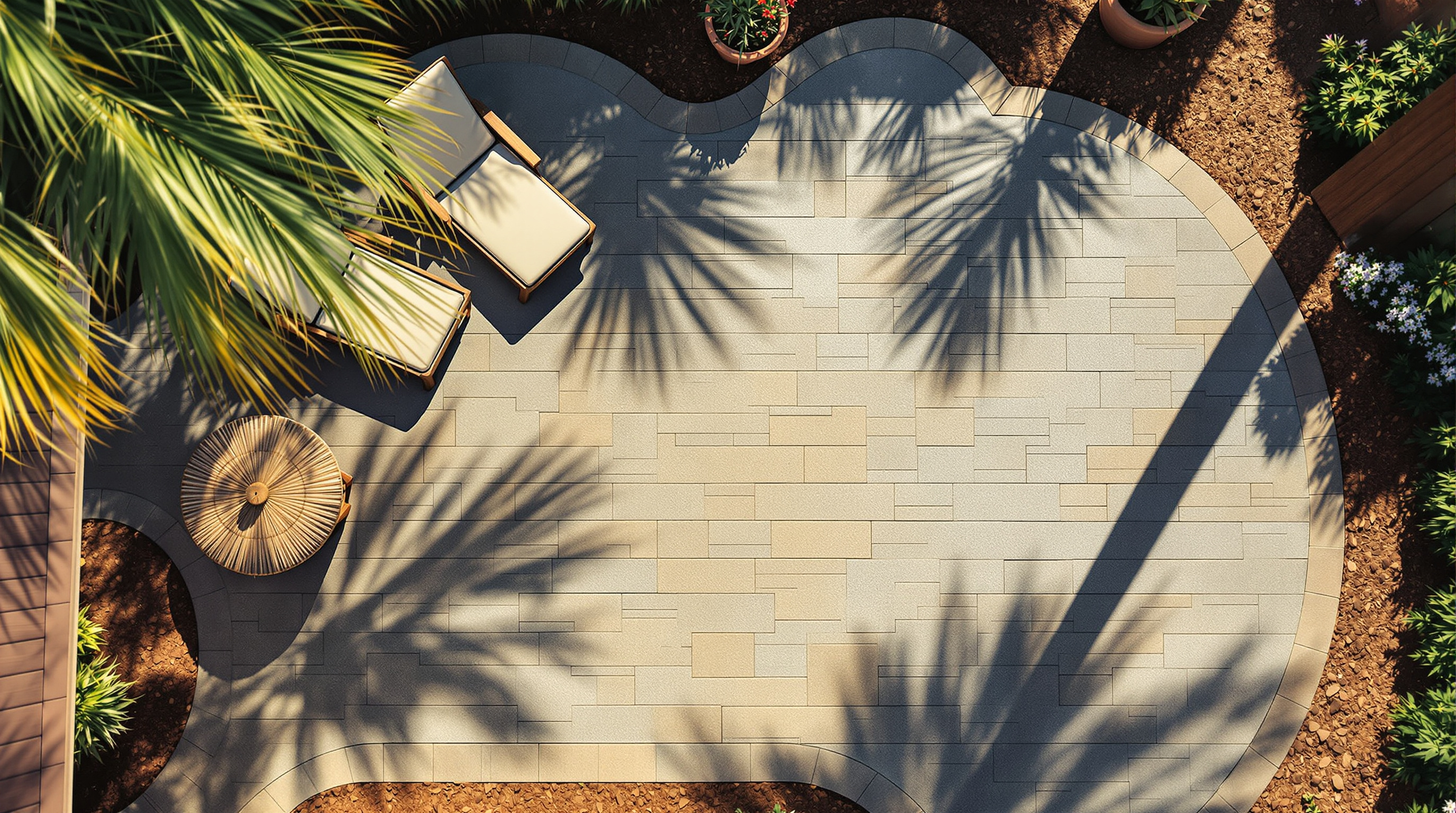
Patios allow more creative freedom. Flagstone and cobblestone patterns work well. 3.5-inch thickness is sufficient. Ensure proper slope (1/8 inch per foot minimum) away from the house to prevent standing water. Reseal every 2–3 years.
Pool Deck Stamped Concrete
Pool decks must be slip-resistant when wet. Use textured finishes and avoid dark colors that burn feet. 4-inch thickness is standard. Chlorine and salt water degrade sealer faster, use marine-grade protection. Annual sealing is essential near salt pools.
Transform Your Outdoor Space with Stamped Concrete
Our crew has 20+ years of combined experience installing stamped concrete throughout San Diego County. We handle driveways, patios, pool decks, and commercial projects. Every estimate is free, with no obligation.
Frequently Asked Questions About Stamped Concrete San Diego
How long does stamped concrete last in San Diego’s climate?
Can I stamp existing concrete?
What happens if my stamped concrete cracks?
Is stamped concrete slippery when wet?
Next Steps: Getting Your Stamped Concrete Project Started
If you are considering stamped concrete for your San Diego driveway, patio, or pool deck, the first step is a site visit and free estimate. SD Concrete Pros will assess your soil, drainage, existing surface condition, and design preferences. We will provide a detailed written estimate and timeline.
Call 619-848-3880 or fill out the contact form at sdconcretepros.com to schedule your free consultation.
Ready to Start Your Stamped Concrete Project?
Get a free, no-obligation estimate from the experts