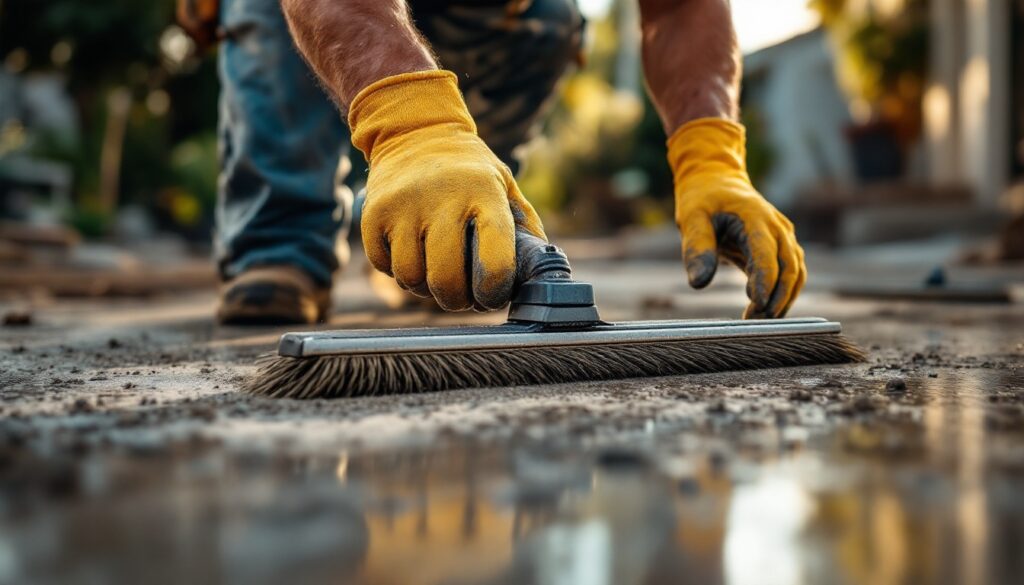
Is stamped concrete worth it? In San Diego, homeowners invest in stamped concrete driveways and patios. The real value depends on your budget, aesthetic goals, and maintenance commitment. Here’s what you need to know before you decide.
What Makes Stamped Concrete Different From Standard Concrete
Stamped concrete is a decorative overlay applied to freshly poured concrete before it sets. Using specialized mats and tools, contractors impress patterns—stone, brick, slate, or wood textures—into the surface. The result looks like expensive pavers or natural stone without the material cost.
Standard concrete, by contrast, is a smooth gray finish. It’s functional but visually plain. Stamped concrete bridges that gap: you get durability with curb appeal.
San Diego‘s year-round mild climate is ideal for stamped concrete. Unlike colder regions where freeze-thaw cycles crack patterns, our consistent 60–70°F temperatures reduce stress on the decorative surface. That’s a genuine advantage if you’re weighing long-term durability.
Real Cost Breakdown: Is Stamped Concrete Worth the Price Tag?
Understanding the actual cost structure is crucial to deciding whether is stamped concrete worth it for your specific project.
Base Installation Costs
Stamped concrete in San Diego typically costs more than plain concrete.
Standard site prep includes removal of old concrete or dirt, compaction, and rebar or wire mesh reinforcement. Specialty finishes (high-detail stone patterns, color blending, sealing) push costs higher.
Variables That Inflate the Price
- Site accessibility: Steep slopes or narrow entry points in neighborhoods like Torrey Pines or La Jolla add labor costs.
- Soil prep: Poor drainage or soft subgrade requires deeper base layers (4–6 inches of compacted gravel instead of 2–3), adding to the cost.
- Pattern complexity: Simple brick or tile patterns cost less than detailed ashlar stone or slate designs, which demand more mold time and skilled artistry.
- Color additives: Single-color stamped concrete is cheaper. Multi-tone or acid-stain finishes add cost.
- Sealing: A professional seal is highly recommended in San Diego to protect against UV fade and water damage.
Comparison: Stamped Concrete vs. Alternatives
How the options compare:
- Stamped concrete: Plus periodic sealing.
- Concrete pavers: Material-heavy, higher labor for individual placement.
- Polymeric sand patio: Cheaper upfront but requires re-sanding every 3–5 years.
- Natural stone: Premium look, premium price.
If you want the appearance of stone without full stone pricing, stamped concrete sits in the sweet spot: better-looking than plain concrete, less expensive than real pavers or flagstone.
Ready to Get Started?
Call us today for a free estimate on stamped concrete
The Real Benefits: Why Homeowners Choose Stamped Concrete
Aesthetic Appeal and Curb Appeal
Stamped concrete transforms outdoor spaces without requiring high-end materials. A patio that looks like Italian slate or a driveway mimicking cobblestone brick adds visual weight to your property.
This is valuable in San Diego’s competitive real estate market. Neighborhoods like Rancho Santa Fe and Del Mar prioritize outdoor aesthetics. Stamped concrete signals attention to detail without the price tag of real stone.
Durability in San Diego’s Climate
San Diego’s primary weather threat is UV exposure and occasional flooding during rare heavy rains. Stamped concrete, when properly sealed, resists both. The seal creates a protective barrier that prevents water infiltration and sun damage.
Compared to wood decks (which rot in humidity), stamped concrete is low-maintenance and lasts 25–30 years with proper care. The pattern doesn’t fade as fast as unsealed concrete.
Low Maintenance vs. Natural Stone
Natural pavers and flagstone require annual resealing, regular grout cleaning, and weed removal between joints. Stamped concrete has no joints to maintain.
A simple annual wash with a pressure washer and resealing every 2–3 years keeps stamped concrete looking new. That’s dramatically simpler than stone or paver maintenance.
Customization and Design Flexibility
You can choose from dozens of pattern stamps: slate, travertine, cobblestone, wood plank, tile, and custom logos. Color stains allow earth tones, warm grays, or bold accents.
Your contractor can also combine patterns—a border of slate with a central brick weave, for example. This flexibility makes stamped concrete adaptable to Mediterranean, modern, rustic, or traditional home styles across San Diego.
Maintenance Requirements: The Hidden Cost
Sealing and Resealing
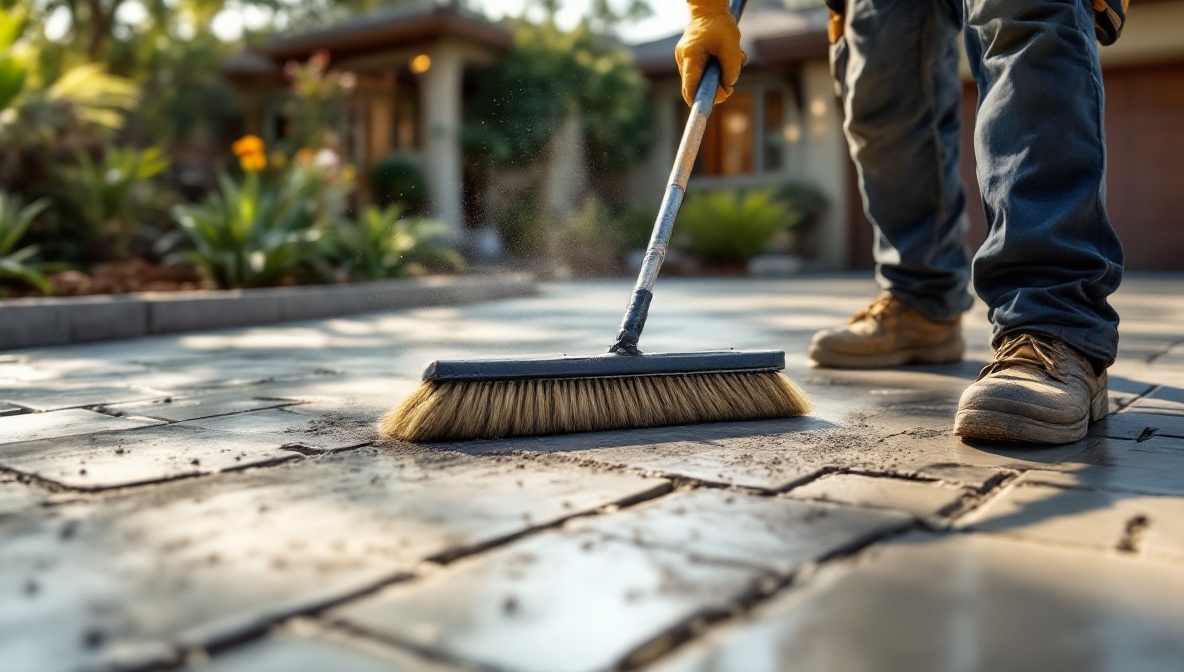
This is the most critical maintenance task. A new stamped concrete installation should be sealed within 2–4 weeks, after curing is complete. San Diego contractors recommend acrylic or polyurethane seals for best UV protection.
Resealing is required every 2–3 years. Over 25 years, resealing is an ongoing maintenance cost.
Cleaning and Power Washing
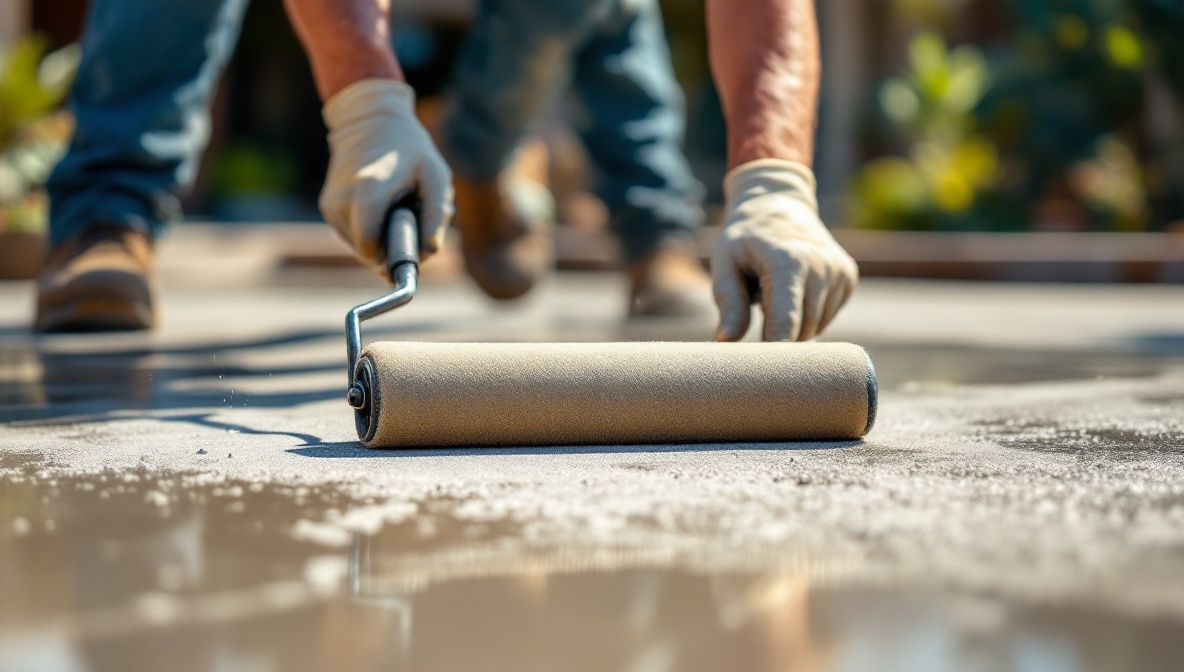
Annual pressure washing (1,500–2,500 PSI) removes algae, pollen, and debris. Use caution: excessive pressure (above 3,000 PSI) can damage the seal or dislodge the stamp pattern.
DIY cleaning costs almost nothing. Professional pressure washing is also an option. In dusty areas of San Diego (Santee, Ramona), you might wash twice yearly.
Stain and Crack Repair
Oil spills, rust stains, and minor cracks are manageable. Oil stains can be treated with degreaser or poultice. Cracks under ¼ inch are sealed with flexible polyurethane filler.
Larger cracks (½ inch or more) require concrete repair, which costs more. However, stamped concrete in San Diego rarely cracks significantly because freeze-thaw damage is rare.
Resale Value and Return on Investment
Does a stamped concrete patio or driveway increase your home’s sale price? Yes—but not dollar-for-dollar.
Real estate data suggests stamped concrete can add perceived value to a property, but appraisers typically attribute only part of the installation cost as recoverable value at sale.
The ROI is stronger for driveways. A well-maintained stamped driveway is often the first visual impression a buyer gets. In San Diego’s competitive market, an attractive driveway justifies the investment because it signals overall property care.
Non-monetary benefits also matter: pride of ownership, entertaining space, and reduced maintenance stress compared to pavers or wood decks. These aren’t reflected in appraisals but affect daily quality of life.
Common Mistakes That Make Stamped Concrete Not Worth It
Skipping the Seal
Many homeowners think sealing is optional. It’s not. Unsealed stamped concrete fades visibly in 2–3 years under San Diego sun. Water seeps into hairline cracks, weakening the structure.
Without sealing, the investment looks neglected in half that time. Always budget for initial seal plus reseals.
Poor Site Preparation
If the subgrade isn’t properly compacted, the concrete settles unevenly. This creates puddles (called “birdbaths”) and accelerates cracking.
Choosing the Wrong Pattern
A pattern that doesn’t match your home’s architecture feels out of place. A Mediterranean slate stamp clashes with a modern mid-century home. Spend time reviewing samples in sunlight—patterns change dramatically in different light.
Hiring an Inexperienced Contractor
Stamped concrete requires skill. Poor stamp depth, uneven color application, or botched sealing makes even expensive work look cheap. Always verify contractor licensing and check 5–10 completed projects in person.
Is Stamped Concrete Worth It? The Verdict
Stamped concrete is worth it if you prioritize aesthetics, durability, and low maintenance in one package. The cost is higher than plain concrete but significantly cheaper than pavers or natural stone.
It’s NOT worth it if you’re unwilling to seal and maintain it every few years. Neglected stamped concrete deteriorates faster than plain concrete because the sealed surface, once compromised, exposes porous detail areas to water and UV.
For San Diego homeowners, the mild climate and strong real estate market make stamped concrete a solid investment—especially for driveways and entertaining spaces. You’ll enjoy superior curb appeal for 25–30 years if maintained properly.
Get a professional assessment of your specific project. SD Concrete Pros offers free consultations to evaluate site conditions, recommend patterns and colors, and provide accurate estimates for your home. Call 619-848-3880 or request an estimate online to see if stamped concrete makes sense for your property.
Frequently Asked Questions About Stamped Concrete
How long does stamped concrete last in San Diego?
Properly sealed and maintained stamped concrete lasts 25–30 years in San Diego. The mild climate means minimal freeze-thaw damage. The seal protects against UV fade and water infiltration if reapplied every 2–3 years.
Can you repair stamped concrete if it cracks?
Minor cracks (under ¼ inch) are sealed with flexible polyurethane filler that blends invisibly. Larger cracks require concrete repair, which can be more costly. Prevention through proper sealing and drainage is more cost-effective than repair.
Is stamped concrete slippery when wet?
Standard stamped concrete can be slippery when wet or in shade. Non-slip additives (grit particles or anti-slip coatings) can be applied during installation or added to sealers for traction. This adds cost but is worth it for patios near pools or water features.
Which stamped concrete pattern costs the least?
Simple tile or brick patterns cost less than detailed slate or ashlar designs. Color blending and custom finishes also add cost, so single-color simple patterns save money.
Does stamped concrete add resale value in San Diego?
Yes, it can add perceived value, though not dollar-for-dollar. Driveways offer stronger ROI because they’re the first visual impression buyers see.
Ready to Invest in Stamped Concrete for Your San Diego Home?
Whether you’re building a new driveway, refreshing a patio, or creating an entertaining space, stamped concrete delivers style and durability at a practical price point. The investment is only worthwhile if you commit to sealing and annual maintenance—but for homeowners willing to do so, the results speak for themselves.
We handle site prep, pattern selection, color matching, and long-term maintenance recommendations.
Don’t guess about whether is stamped concrete worth it for your specific situation. Get a free estimate with detailed cost breakdowns, pattern samples, and maintenance advice tailored to your property.
Ready to Get Started?
Let’s discuss your stamped concrete project. Call SD Concrete Pros today.
619-848-3880 Related: Why Is My Stamped Concrete Chipping? Repair & Prevention Tips Related: Stamped Concrete San Diego: Designs, Cost & Installation Guide
Related Articles
Complete Guide to Concrete Stamps & Stamped Finishes in San Diego
Concrete stamps and stamped finishes transform driveways, patios, and pool decks into decorative surfaces that mimic natural stone, brick, or wood. Learn costs, pattern options, durability, and maintenance in San Diego.
Read More
Concrete Driveway San Diego: Guide to Materials & Installation
Everything you need to know about concrete driveways in San Diego: costs, installation, maintenance, and why stamped concrete and decorative finishes make sense in Southern California's climate.
Read More
Decorative Concrete in San Diego: Stamped, Stained & Polished
Explore stamped, stained, and polished concrete options in San Diego. Learn costs, durability, maintenance, and which finish suits your home or business.
Read More