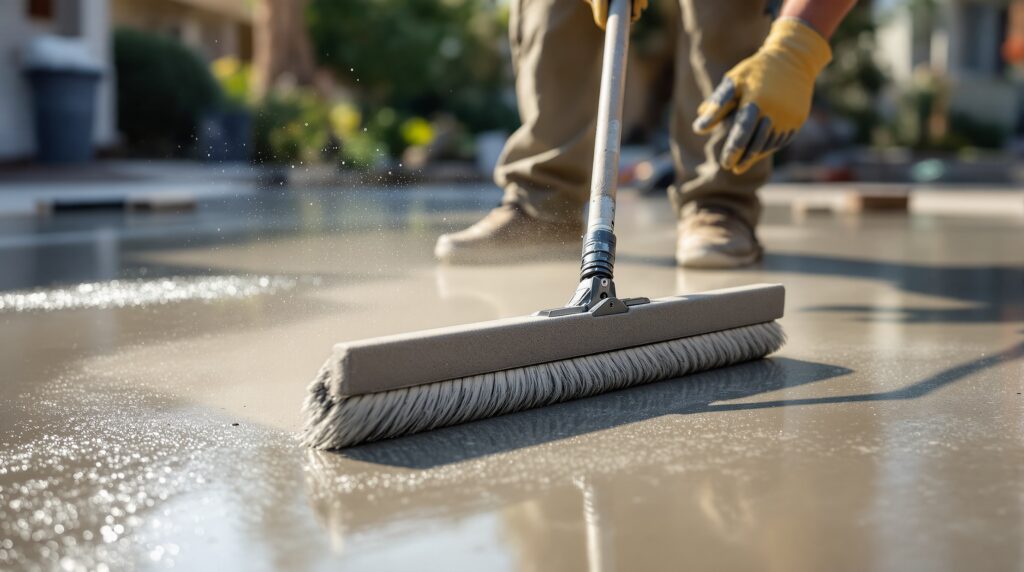
Why is my stamped concrete chipping? Stamped concrete typically chips due to freeze-thaw cycles, improper sealing, deicing salt exposure, base settlement, or inadequate finishing during installation. In San Diego‘s temperate climate, chipping is less common than in freeze zones, but it still happens—especially on driveways, patios, and pool decks that see heavy use or poor maintenance. Understanding the root cause is the first step to fixing it right and preventing future damage.
Understanding the Root Causes of Stamped Concrete Chipping
Stamped concrete fails differently than regular concrete because the stamping process creates texture and weak points in the surface. The pattern imprinting actually reduces the compressive strength at the pattern edges, making those areas more prone to spalling (breaking off in flakes or chunks).
Freeze-Thaw Cycles and Water Infiltration
Water that penetrates the concrete surface expands when it freezes, creating internal pressure that pushes the surface layer apart. While San Diego rarely dips below freezing, neighborhoods in the foothills—Ramona, Julian, and the backcountry areas—experience real winter conditions. Even in coastal San Diego, a single cold snap can trigger freeze-thaw damage if moisture is already trapped in the slab.
The stamped pattern accelerates this problem because the grooves and textured areas trap water. If your sealant is worn or missing, water seeps into those grooves, freezes at night, and thaws by day. Over weeks, that cycle spalls the surface layer right at the pattern edges.
Deicing Salts and Chemical Damage
Chloride-based deicing salts (rock salt) attack concrete aggressively. They lower the freezing point of water inside the concrete, creating repeated cycles of ice formation and melting at the subsurface level. This internal spalling is especially destructive because it happens where you can’t see it until chunks start popping out.
Even in San Diego, road salt spray near I-5 or ocean salt air can contribute to surface deterioration over time. Some homeowners also use salt-based ice melts during rare freeze events, which accelerates chipping.
Poor Base Preparation and Settlement
Stamped concrete requires a stable, properly compacted base—typically 4 inches of compacted gravel or recycled asphalt. If the base wasn’t compacted sufficiently during installation, the concrete settles unevenly over time. This differential settlement creates stress concentrations that cause the stamped pattern to crack and chip at the stress points.
In San Diego’s clay-heavy soils (common in neighborhoods like Normal Heights, Grantville, and inland areas), poor drainage beneath the slab can cause the base to shift seasonally. Even a quarter-inch of movement is enough to trigger chipping at the pattern edges.
Inadequate or Worn Sealer
Stamped concrete must be sealed—typically with an acrylic, polyurethane, or epoxy coating—to protect the surface from water, UV, and salt penetration. A good seal lasts 2–3 years in San Diego’s sun. If you skip sealing entirely, or if the seal wears out without resealing, the stamped surface becomes vulnerable within months.
Many homeowners don’t realize that the sealer is as important as the concrete itself. A thin or low-quality sealer provides false protection and fails faster than no sealer at all.
Improper Installation and Finishing
Chipping often starts the day the concrete is poured—during the stamping and finishing process. If the concrete was stamped too early (before it reached proper hardness), the stamps compress the material unevenly, creating weak planes. If the surface was finished with a wire brush or trowel too aggressively, it can tear the aggregate and weaken the top layer.
High-traffic areas like driveways in neighborhoods such as Pacific Beach and Mission Beach get accelerated wear. Poor air-entrapment during concrete mixing (air bubbles that protect against freeze-thaw) also increases chipping risk, especially if the concrete finisher didn’t use proper technique.
Chipping Getting Worse?
SD Concrete Pros can diagnose the cause and recommend the right repair.
How to Repair Stamped Concrete Chipping
The repair method depends on how much of the surface is affected and whether the chipping is purely cosmetic or structural.
Small Cosmetic Chips (Less Than 1 Square Foot)
For minor surface spalling, a concrete patching compound or epoxy filler works. Clean the chipped area thoroughly with a wire brush to remove loose material. Blow it out with compressed air to eliminate dust. Apply a concrete bonding agent (usually included in the patch kit) to help the repair material stick.
Fill the chip with concrete repair putty or epoxy, feathering it smooth with the surrounding surface. Once cured (usually 24 hours), sand it flush and apply matching sealer. The repair will be visible, but it stops the chipping from spreading to adjacent areas.
Medium Damage (1–10 Square Feet)
If multiple areas are chipping or if one chip is larger than a few inches, patching compound becomes impractical. The better approach is concrete resurfacing—applying a thin overlay (typically 1/8 to 1/2 inch) over the damaged area using a self-leveling concrete resurfacer or stamped overlay system.
Resurfacing can match the original pattern if done by an experienced contractor. The surface must be properly primed and sealed to prevent future chipping.
Extensive Damage (10+ Square Feet or Widespread Spalling)
When chipping is widespread, patching or resurfacing is only a temporary fix. The underlying problem (poor base, water infiltration, or structural movement) will cause the new surface to chip too. In these cases, removal and replacement of the entire slab is often the only lasting solution.
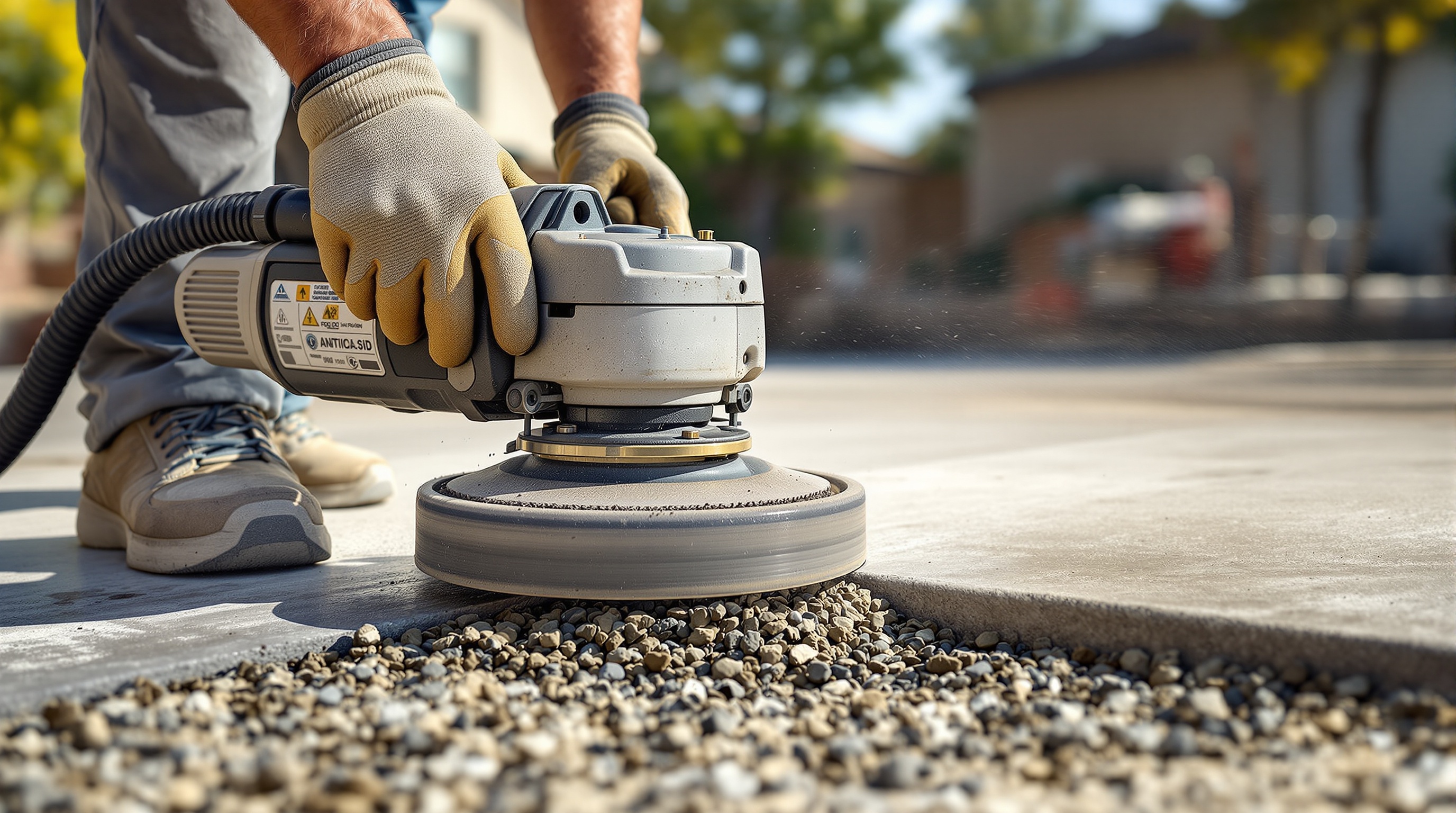
If the chipping is limited to the top 1/4 inch and the concrete is otherwise structurally sound, a full-surface grind-and-reseal can restore appearance without full removal. A concrete grinder removes the damaged surface layer, exposing fresh concrete beneath, then the entire surface is resealed.
Prevention: Stop Chipping Before It Starts
Preventing chipping is far cheaper than repairing it. A good strategy combines proper installation, maintenance, and environmental management.
Install a High-Quality Sealer and Maintain It
The single most important prevention step is sealing. For stamped concrete, use a penetrating sealer (acrylic, polyurethane, or epoxy) that cures completely before water exposure. In San Diego, plan to reseal every 2–3 years, depending on foot traffic and sun exposure.
Neighborhoods like La Jolla and Coronado, with intense sun and salt air, may need annual resealing. More protected patios inland might stretch to 3–4 years. Check your sealer by sprinkling water on the surface—if it beads up, the sealer is working. If it soaks in, it’s time to reseal.
Ensure Proper Drainage
Water beneath the slab is the enemy. Make sure your concrete is sloped slightly (at least 1/8 inch per foot) to shed water away from the structure. Add perimeter drainage or a French drain if water pools around the edges.
In San Diego’s rainy season (November–February), monitor for puddles on or around the surface. If water sits there for hours after rain, you have a drainage problem. Improper drainage is especially common in neighborhoods with clay soil like Clairemont and Kearny Mesa.
Avoid Deicing Salts—Use Alternatives
Never use rock salt on stamped concrete, even in rare San Diego freeze events. Instead, use calcium chloride or magnesium chloride, which are less corrosive. Or use sand, kitty litter, or rubber mats for traction without chemicals.
If you live in a freeze zone (Ramona, Julian, Mount Laguna), consider epoxy or urethane sealer instead of acrylic—they offer better protection against salt and freeze-thaw damage.
Control Water Runoff and Street Salt Spray
If your driveway or patio borders a street treated with salt in winter, erosion cloth or a low barrier can reduce spray. In coastal areas near the ocean, rinse the surface occasionally with fresh water to remove salt deposits.
After heavy rain or snow melt, squeegee standing water off the surface to avoid infiltration into the pattern grooves.
Address Cracks Immediately
Hairline cracks are how water gets in. Seal any cracks you notice with concrete crack filler or epoxy. Don’t wait—a 1/16-inch crack can allow freeze-thaw damage to accelerate in winter and widening in 6 months. For existing cracks, use polyurethane caulk or self-leveling epoxy rather than simple acrylic caulk, which fails faster.
When to Call a Professional vs. DIY Repairs
Small cosmetic chips (less than 1 inch) can be DIY repaired with a concrete patch kit from any hardware store. Cleanup, bonding agent application, and curing are straightforward. For chips larger than 2 inches, or if you’re uncertain about the underlying cause, call a professional.
Professional diagnosis matters because chipping can signal structural problems—foundation settlement, poor base preparation, or water intrusion—that simple patching won’t fix. A contractor can identify whether your chipping is cosmetic or symptomatic of deeper issues.
Resurfacing and grinding require specialized equipment and skill. Mismatched overlay color, poor pattern blending, or inadequate sealing can make the repair worse than the original damage. SD Concrete Pros uses industry-standard repair techniques.
Why Professional Installation Prevents Chipping
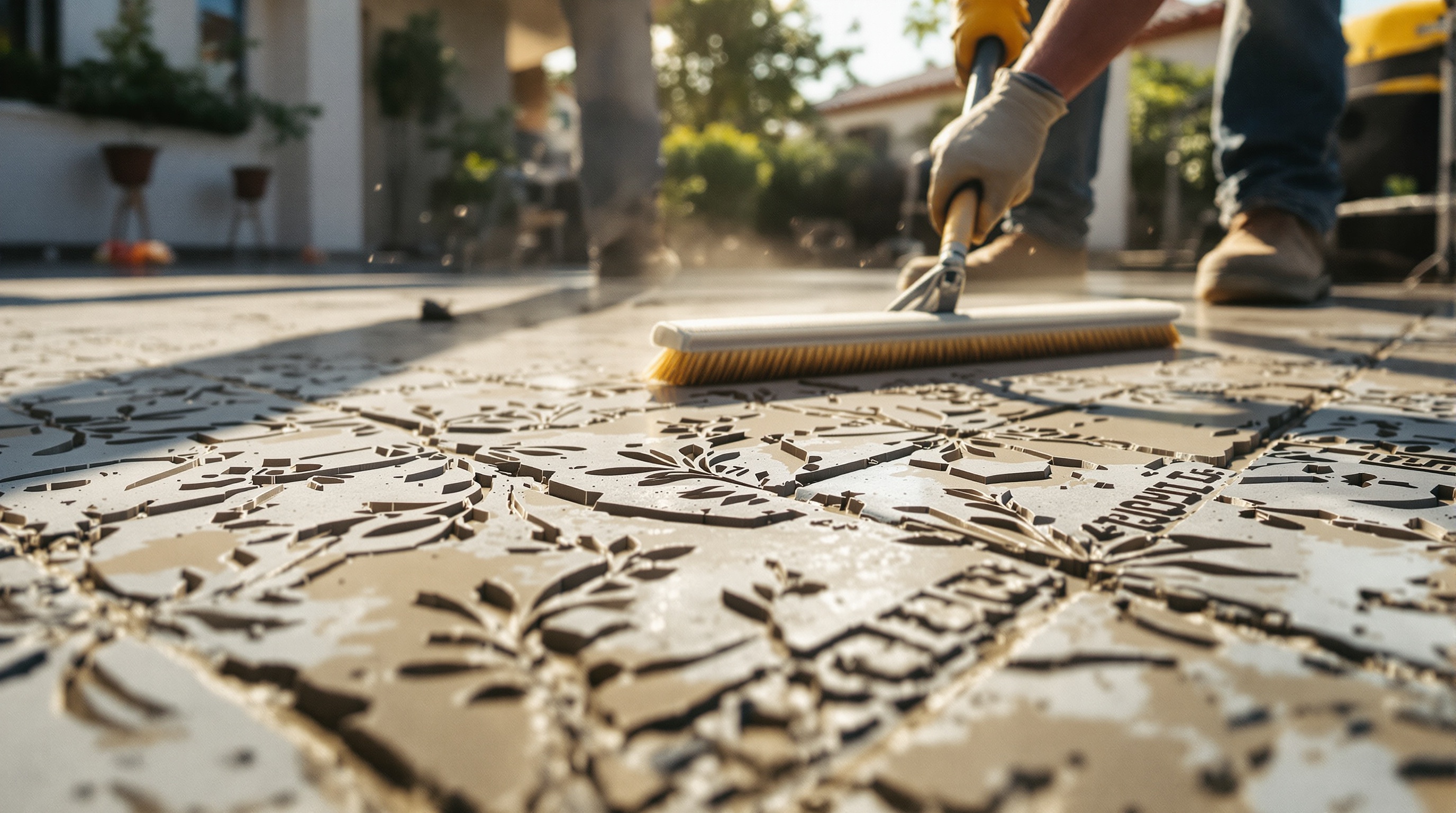
The strongest defense against chipping is proper installation from the start. This means:
- 4+ inches of properly compacted gravel base
- Concrete poured and finished by experienced finishers
- Stamping done at the right concrete hardness (not too wet, not too hard)
- Air-entrained concrete mix rated for local climate
- Professional-grade sealer applied within 48 hours of finishing
- Proper curing (no foot traffic for 7 days, no vehicle traffic for 14 days)
Budget-conscious installations that skip sealing, use low-quality mixes, or hire inexperienced finishers almost always develop chipping within 2–3 years. The cost savings on installation gets wiped out by early repairs.
Is stamped concrete worth it? When done right, absolutely—it lasts 20+ years. When done poorly, it fails in 3–5 years. The difference is in the contractor you choose.
San Diego Climate and Chipping Risk
San Diego’s mild climate is actually an advantage for stamped concrete. Freeze-thaw damage is rare, and we rarely use deicing salts. However, our intense sun UV rays degrade sealers faster than in northern climates, and our coastal salt air accelerates concrete deterioration in neighborhoods near the ocean like Sunset Cliffs and Ocean Beach.
Inland neighborhoods like Escondido and Poway see hotter summers and occasional freeze events in winter, which creates slightly higher chipping risk. But overall, chipping in San Diego is usually a maintenance issue (worn sealer, poor drainage) rather than a climate inevitability.
The key is regular resealing every 2–3 years and prompt drainage management. Neighborhoods with high water tables or poor grading (like some areas near Mission Valley) should also ensure their base is protected from subsurface water.
Quick Chipping Prevention Checklist
- Reseal stamped concrete every 2–3 years in San Diego
- Check for water pooling after rain; fix drainage issues immediately
- Never use rock salt on stamped concrete
- Fill hairline cracks with epoxy or polyurethane caulk as soon as you spot them
- Avoid using a pressure washer on stamped surfaces (use 30° angle, low pressure only, or hand-scrub instead)
- Don’t place deicing salts near the edges where runoff can soak into the concrete
- Hire a licensed contractor for initial installation—proper base and sealing help prevent chipping
Frequently Asked Questions
Can I repair chipped stamped concrete myself?
Small chips (under 1 inch) can be patched with concrete repair putty from a hardware store. Larger chips or widespread chipping require professional resurfacing or grinding to match the pattern and prevent future failure. DIY patching typically shows and doesn’t address the root cause of chipping.
Why does stamped concrete chip more than regular concrete?
The stamping process creates texture and reduces compressive strength at the pattern edges, making those areas more susceptible to spalling. The grooves also trap water, which accelerates freeze-thaw and salt damage. Regular concrete has a smoother, more uniform surface that sheds water better.
How often should I reseal stamped concrete in San Diego?
Plan to reseal every 2–3 years in San Diego’s climate. High-traffic areas or surfaces in intense sun (coastal neighborhoods like La Jolla) may need annual resealing. Check with the water-bead test: if water soaks in rather than beading up, your sealer is worn and needs replacement.
What’s the difference between resurfacing and grinding for chipped concrete?
Resurfacing applies a new thin layer over the damaged surface, which can match the original pattern if done well. Grinding removes the damaged layer mechanically, exposing fresh concrete beneath. Grinding is faster but exposes new concrete that must be resealed. Resurfacing is slower but can blend the repair seamlessly if the contractor has the right equipment.
Related Articles
Decorative Concrete San Diego
Decorative concrete in San Diego transforms driveways, patios, and pool decks with stamped patterns, stains, and custom designs. Learn costs, options, and durability for your project.
Read More
Exposed Aggregate Concrete: A San Diego Homeowner’s Guide
Exposed aggregate concrete in San Diego costs $8–$15 per square foot installed. Learn how this durable, decorative finish works, what it costs, maintenance requirements, and whether it's right for your patio, driveway, or pool deck.
Read More
Pool Deck Concrete in San Diego: Finishes, Options & Contractors
Pool deck concrete in San Diego ranges from $8–$18 per square foot depending on finish type and site conditions. Learn what contractors charge, material options, and how to hire the right team for your backyard.
Read More