concrete driveway San Diego — The cost of a concrete driveway in San Diego varies. The final price depends on soil preparation, finish type (broom, stamped, or exposed aggregate), thickness, and whether your site requires grading or removal of existing pavement. Local climate, soil conditions, and permitting requirements directly affect both cost and longevity.
Why San Diego Concrete Driveways Last Longer Than You Might Think
San Diego’s mild climate is actually ideal for concrete. Unlike inland desert regions with temperature swings or wet climates with freeze-thaw cycles, San Diego’s average winter low of 50°F means your driveway won’t suffer the expansion and contraction that cracks concrete elsewhere.
The main challenge here isn’t cold—it’s the opposite. Our UV exposure and salt air (especially near coastal neighborhoods like Pacific Beach, Ocean Beach, and Mission Beach) accelerate surface degradation. A properly sealed concrete driveway in San Diego will last 25–30 years with routine maintenance. Without sealing, you’ll see surface spalling and discoloration within 5–7 years.
The other factor is soil. Much of San Diego has clay-based subgrades that shift with seasonal moisture changes. A 4-inch base of compacted gravel under your concrete prevents heaving and settling—this is where proper prep work saves you money in repairs later.
Concrete Driveway Materials and Finish Options in San Diego
Standard concrete in San Diego is a mix of Portland cement, sand, gravel, and water. Most contractors use a 4-sack mix (4 bags of cement per cubic yard) for driveways—this is the industry standard for residential work.
What matters more than the concrete itself is what you do with its surface. Here are the finishes you’ll see around San Diego:
Broom-Finish Concrete
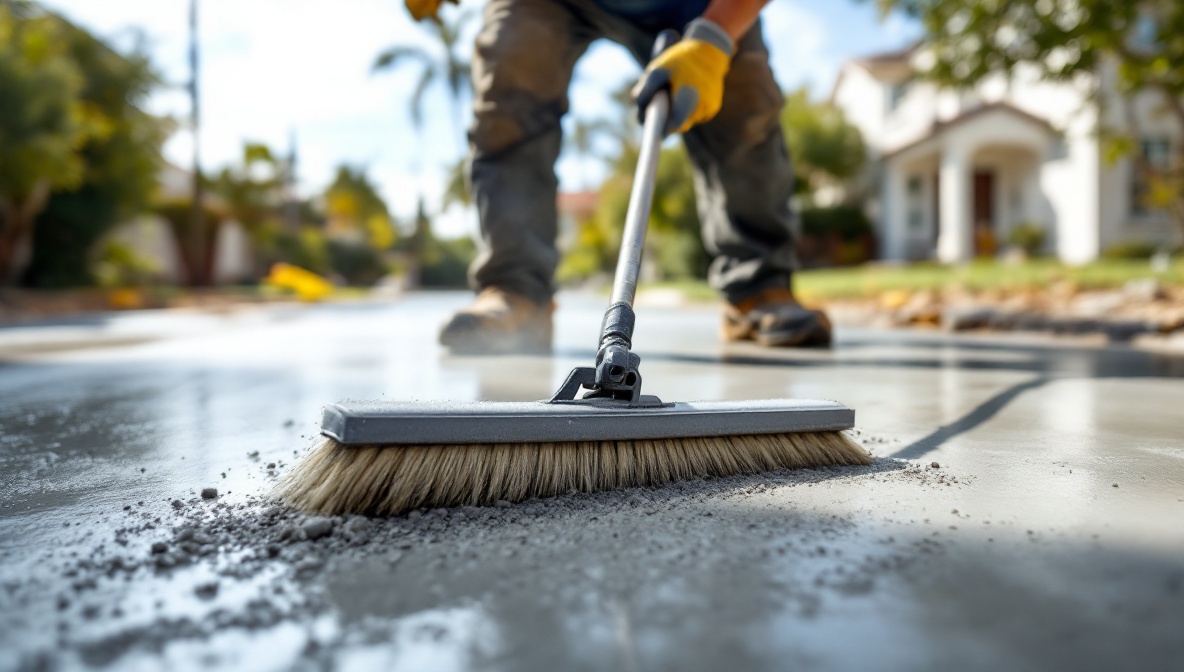
This is the baseline finish. A stiff broom is dragged across wet concrete to create texture. Cost: included in base price. Pros: slip-resistant, hides dirt, easy to seal. Cons: limited aesthetic appeal, collects debris in grooves. Popular in neighborhoods like Clairemont and Kearny Mesa where homeowners prioritize function over style.
Stamped Concrete San Diego
Stamped concrete San Diego is one of the most popular upgrades. A rubber mold is pressed into wet concrete to mimic brick, stone, slate, or wood. Stamped finishes are especially popular in upscale neighborhoods like Del Mar, Rancho Santa Fe, and Poway. The texture hides minor blemishes and offers real curb appeal.
Stamped concrete requires precise timing—the concrete must be at the right firmness when stamped. San Diego’s warm, dry air means you have a narrower window than cooler climates. A contractor who understands local conditions won’t rush the job.
Exposed Aggregate Concrete San Diego
In this finish, the top layer of concrete is acid-etched or pressure-washed to reveal the gravel underneath, creating a terrazzo-like look. Exposed aggregate is extremely popular for decorative concrete San Diego applications because it’s both durable and attractive. The exposed stones are slip-resistant, making them ideal for pool decks in coastal San Diego neighborhoods.
The exposed aggregate concrete finish resists UV fading better than standard concrete because the stone color is natural, not a surface coating.
Colored and Decorative Concrete San Diego
Decorative concrete San Diego includes integral color (pigment mixed into the concrete), acid stains (chemical color applied after pour), and epoxy coatings. Colors like warm grays, terracotta, and sandstone tones are trending in San Diego because they complement natural stone landscaping and coastal architecture.
Concrete Driveway Cost Breakdown for San Diego in 2026
Here’s what actually goes into your invoice when you hire a concrete contractor San Diego:
Site Prep & Demolition: If you’re replacing an old driveway, removal and haul-away is an added cost. Grading and soil assessment add more for a standard driveway. This is non-negotiable in San Diego because our clay soils need careful base preparation.
Base Preparation: 4 inches of compacted gravel. This is where corners get cut by discount contractors—don’t let that happen. A cheap base leads to cracking.
Labor (Pouring & Finishing): This includes grading, screeding, floating, and finishing. Stamped or decorative finishes cost more in labor.
Sealing: Applied after 28 days. First seal is often included; subsequent seals (every 2–3 years) are maintenance.
Permitting: Most driveways in San Diego don’t require permits if you’re replacing existing pavement. New driveways on undeveloped lots do, with permit fees through the City of San Diego.
Get Your Free Driveway Estimate Today
Expert concrete contractors ready to measure and quote your project
San Diego Permitting and Code Requirements for Concrete Driveways
The City of San Diego has specific rules for residential driveways. Here’s what you need to know:
When You Need a Permit: New construction driveways, additions, or replacements on lots without existing pavement require a building permit. If you’re pouring a second driveway or expanding beyond the original footprint, you also need one. Standard replacement of existing pavement on single-family homes sometimes avoids permits—check with your local development services office first.
Slope and Drainage: San Diego requires a minimum 1% slope away from structures (that’s 1 inch of drop per 8 feet of length). This prevents water from pooling and damaging your foundation or your neighbor’s property. During our concrete driveway repair San Diego work, we often find older driveways with poor slope—it’s a common reason for surface deterioration.
Property Line Setbacks: In most San Diego neighborhoods, your driveway must be set back 15–18 inches from the property line (check your specific city—Chula Vista and Carlsbad have slightly different rules). Coastal communities have additional grading and storm water requirements.
Coastal Areas: If you live in Ocean Beach, Pacific Beach, or other coastal zones, your concrete must include provisions for UV and salt air exposure. We recommend a marine-grade sealer for these neighborhoods.
Pool Deck Concrete San Diego: Special Considerations
Pool deck concrete San Diego is a common application. Unlike driveways, pool decks need texture for slip resistance and must handle constant wet/dry cycling.
A pool deck in San Diego typically costs more than a standard driveway. Here’s why:
- Slip Resistance: We always recommend exposed aggregate or a medium broom finish for pool decks. Standard broom finish can become slippery when wet.
- Drainage: Pool decks need proper slope and, often, French drains or permeable concrete to prevent water damage to nearby structures.
- Chemical Resistance: Chlorine and salt water (if you’re in a coastal area using pool salt) degrade unsealed concrete fast. Pool deck concrete should be sealed every 12–18 months.
- Deck Size: A typical residential pool deck is 200–400 sq ft.
San Diego’s hot summers (80–90°F average July temps) mean your pool deck concrete can get too hot for bare feet by mid-afternoon. Light colors and reflective finishes help—ask your concrete contractor San Diego about cool concrete coatings if this is a concern.
Stamped Concrete vs. Decorative Concrete: Which Should You Choose?
Not all decorative concrete is stamped, and not all stamped concrete looks equally good. Here’s the practical difference:
Stamped Concrete San Diego is the most popular. It’s patterned (brick, stone, slate) using molds pressed into fresh concrete. Durability: excellent if properly sealed. Maintenance: seal every 2–3 years. Best for: homeowners who want defined pattern and texture without ongoing fussing.
Decorative Concrete San Diego is a broader category: it includes stains, epoxy, polished finishes, and exposed aggregate. Stained concrete, for example, requires professional application and expert sealing. Polished concrete (a newer trend in San Diego) creates a sleek, modern look—popular in Hillcrest and University Heights neighborhoods.
Our recommendation: stamped concrete offers a good balance of cost, durability, and visual impact for most San Diego homeowners. Decorative stains and polished finishes are beautiful but demand more maintenance and professional upkeep.
Concrete Repair San Diego: When to Replace vs. Resurface
Not every damaged driveway needs replacement. Concrete repair San Diego has multiple options:
Concrete Resurfacing (Overlay): If your driveway is structurally sound but the surface is cracked, stained, or worn, a 1–2 inch concrete overlay costs much less than replacement and works well for cosmetic issues. Overlays are popular in older San Diego neighborhoods where original concrete from the 1970s–1990s is still solid underneath but looks tired on top.
Spot Repairs: Small cracks (less than 1/4 inch wide) can be sealed with polyurethane or epoxy. We recommend repairing cracks as soon as you see them—water gets in, soil underneath expands, and small cracks become big ones within 2–3 San Diego winters.
Full Removal & Replacement: If your concrete is broken into large slabs, sinking unevenly (a sign of poor base preparation), or crumbling, replacement is the only real fix. Expect the cost to include demolition and new installation.
Mudjacking / Slab Leveling: If your driveway has settled unevenly (creating a trip hazard), we can pump material under the slab to re-level it. This can extend the life of otherwise good concrete.
The most common issue in concrete repair San Diego projects is water damage from poor slope or missing sealer. Prevention (sealing every 2–3 years) saves more money than repair ever will.
Maintenance and Sealing: Protecting Your Investment
A concrete driveway San Diego is exposed to constant UV, salt air (if you’re coastal), and thermal stress. Sealing is not optional—it’s maintenance.
First Seal (Critical)
New concrete must cure for 28 days before sealing. Don’t let anyone tell you it’s ready at 7 days. After 28 days, apply a quality acrylic or polyurethane sealer. This first seal prevents water infiltration and surface staining from the start.
Resealing Schedule
San Diego’s UV and dry climate means sealers break down faster than in humid regions. Reseal every 2–3 years. Professional sealing with heavy-duty polyurethane is worth the money—it lasts 3–4 years vs. 2 years for acrylic.
Cleaning Between Seals
Wash your driveway 2–3 times per year with a garden hose and stiff brush. In coastal areas, rinse more often to remove salt spray. Never use a pressure washer above 2500 PSI—you’ll damage the concrete surface. If stains appear (rust, oil, organic growth), use a mild acid cleaner or enzymatic product designed for concrete.
Salt and Chemicals
San Diego rarely needs road salt for ice, but if you live near the coast, salt air corrodes unsealed concrete and embedded rebar. Use a marine-grade sealer in Ocean Beach, Pacific Beach, Mission Beach, and other coastal neighborhoods.
Why Choose a Local Concrete Contractor San Diego Over Big Box Alternatives
Big-box companies often contract work to subcontractors who don’t know San Diego’s soil, drainage, or permitting quirks. They bid low, cut corners on base prep, and you’re left with a cracking driveway in 5 years.
A local concrete contractor San Diego brings specific advantages:
- Soil Knowledge: We know which neighborhoods have clay soils, sandy soils, and expansive soil that demands extra base prep.
- Climate Expertise: We understand San Diego’s UV intensity, coastal salt air, and seasonal moisture shifts. We adjust sealer type and curing time accordingly.
- Permitting Experience: We navigate San Diego city, Chula Vista, Carlsbad, Encinitas, and other local codes without delays.
- Accountability: Local contractors live in the community. They’re not gone in 30 days.
Installed by our licensed & insured partner.
Ready to Get Started?
Call us today for a free estimate on your concrete driveway
Comparing Concrete Driveways to Other Materials in San Diego
While this guide focuses on concrete, here’s why concrete is the standard choice in San Diego:
Concrete vs. Pavers: Pavers (permeable or clay) cost more than concrete. They look premium, allow drainage, but shift individually over time and require sand maintenance. Concrete costs less, is more durable long-term, and is lower maintenance. Read our full guide on concrete vs pavers San Diego for a detailed comparison.
Concrete vs. Asphalt: Asphalt costs less upfront but needs resealing every 1–2 years and resurfacing every 10–15 years. Concrete lasts 25–30 years with basic maintenance. In San Diego’s heat and UV, asphalt deteriorates faster.
Concrete vs. Gravel: Gravel driveways are inexpensive upfront but require raking, weed control, and replacement every 3–5 years. They’re not practical for San Diego’s dry, windy climate where dust accumulates on homes.
Emerging Trends in Concrete Driveways: San Diego 2026
A few trends we’re seeing across San Diego right now:
Permeable Concrete (Pervious Concrete): Designed to let water drain through, reducing runoff and supporting storm water regulations. Popular in eco-conscious neighborhoods like Encinitas and Del Mar. San Diego’s dry climate means permeable concrete requires careful sealing to prevent dusting.
Polished Concrete Finishes: A growing trend in modern San Diego homes, especially in mid-century neighborhoods being renovated. Polished concrete is smooth, reflective, and minimalist. Requires professional equipment and expertise.
Warm Tone Stains and Integral Colors: Homeowners are moving away from gray and choosing warm grays, terracotta, sandstone, and caramel tones that complement San Diego’s natural landscaping and architecture.
Cool Concrete Coatings: Reflective coatings that reduce surface temperature. Valuable for families with small children or pets who use the driveway in summer months.
Getting Your Free Estimate: What to Expect
When you call a concrete contractor San Diego for an estimate, here’s what a professional quote should include:
- Square footage measurement (should be physically measured, not estimated)
- Existing condition assessment (is there a driveway to remove? Is the soil stable?)
- Finish type recommendation (broom, stamped, stained, polished)
- Full labor, material, and seal breakdown
- Permit requirements and costs
- Timeline (usually 1–2 weeks for pouring, plus 28 days curing before you drive on it)
A good estimate takes 15–30 minutes on-site. If someone quotes you over the phone without measuring, find another contractor. Material and labor costs vary by neighborhood (Rancho Santa Fe and La Jolla are pricier than Clairemont or Normal Heights), so accurate measurement matters.
SD Concrete Pros offers free, no-obligation estimates. We measure everything, explain options without pressure, and provide written quotes. Call 619-848-3880 or visit our contact page to schedule yours.
Final Thoughts: Your Concrete Driveway Is an Investment
A concrete driveway San Diego is one of the largest investments in your home. It affects curb appeal, property value, and daily safety. Choosing the right contractor, material, and finish makes all the difference.
Consider stamped or decorative concrete San Diego. Seal it properly from day one. Reseal every 2–3 years. Your 25–30 year investment will look polished and stay functional for decades.
Whether you need a simple replacement, a stamped showpiece, or decorative concrete San Diego to match your pool deck or patio, the right local concrete contractor San Diego will deliver work that’s built to last.
FAQ: Concrete Driveway San Diego
How much does a concrete driveway cost in San Diego?
Concrete driveway costs in San Diego vary based on site prep, finish type (broom, stamped, or decorative), and whether you’re replacing existing pavement or pouring new.
Do I need a permit for a concrete driveway in San Diego?
Permits are required for new driveways on previously unpaved lots and for expansions beyond the original footprint. Standard replacement of existing pavement on single-family homes sometimes avoids permits—contact your local development services office or ask your contractor to verify requirements for your specific property.
How long does a concrete driveway last in San Diego?
A properly sealed and maintained concrete driveway in San Diego lasts 25–30 years. Without sealing, surface degradation (spalling, discoloration) begins within 5–7 years. San Diego’s mild climate is ideal for concrete longevity compared to freeze-thaw regions, but UV and coastal salt air require regular sealing and maintenance.
What finish should I choose: stamped, decorative, or broom-finish concrete?
Broom-finish is budget-friendly but plain. Stamped concrete offers pattern and texture at moderate cost, making it the most popular choice in San Diego. Decorative finishes like stains and polished concrete cost more but provide unique aesthetics and require more maintenance.
How often should I seal my concrete driveway in San Diego?
Reseal your concrete driveway every 2–3 years in San Diego’s dry, UV-intense climate. Apply the first seal after 28 days of curing. Professional polyurethane seals last longer (3–4 years) than acrylic (2 years) and are recommended for coastal areas. Related: Concrete Contractor San Diego: Complete Guide 2026 Related: Concrete Patio San Diego: 2026 Guide to Cost, Design & Installation Related: Concrete Driveway Cost San Diego: Complete Pricing Guide for 2024
Related Articles
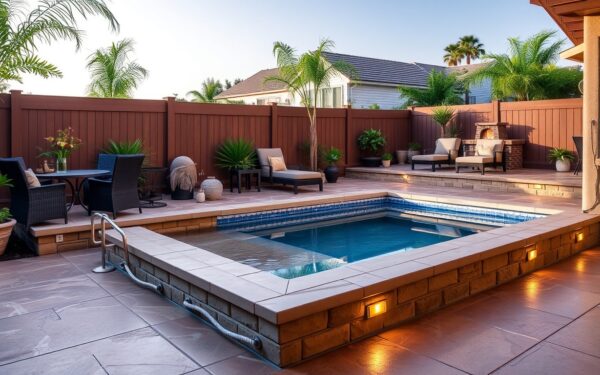
Stamped Concrete Design Ideas to Transform Your San Diego Patio or Pool Deck
Explore the best stamped concrete design ideas for San Diego patios and pool decks. From natural stone patterns to custom color blends, discover how stamped concrete can elevate your outdoor living space.
Read More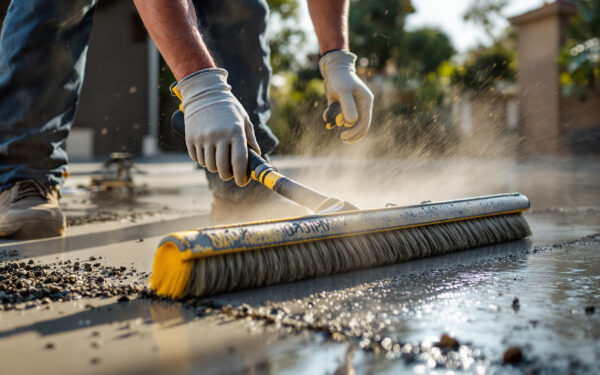
Pool Deck Concrete Contractors in San Diego: Local Guide
Find expert pool deck concrete contractors in San Diego. Learn costs, materials, durability, and how to choose the right contractor for your backyard project.
Read More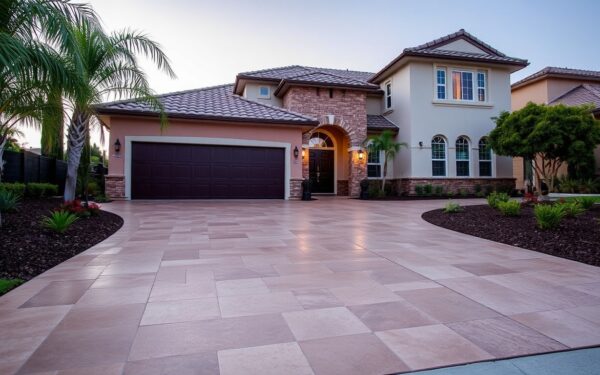
Why San Diego Homeowners Choose Stamped Concrete Driveways
Stamped concrete driveways are transforming San Diego neighborhoods with durability, style, and long-term savings. Learn why homeowners in La Jolla, Mission Beach, and beyond are making the switch from asphalt and plain concrete.
Read More