Concrete Patio Installation Cost in San Diego
concrete patio installation San Diego — Concrete patio installation in San Diego varies by project. The price depends on site prep, finish complexity, reinforcement, and whether you need a city permit. Understanding these variables helps you budget accurately and avoid surprises.
Concrete Patio Installation Cost Breakdown
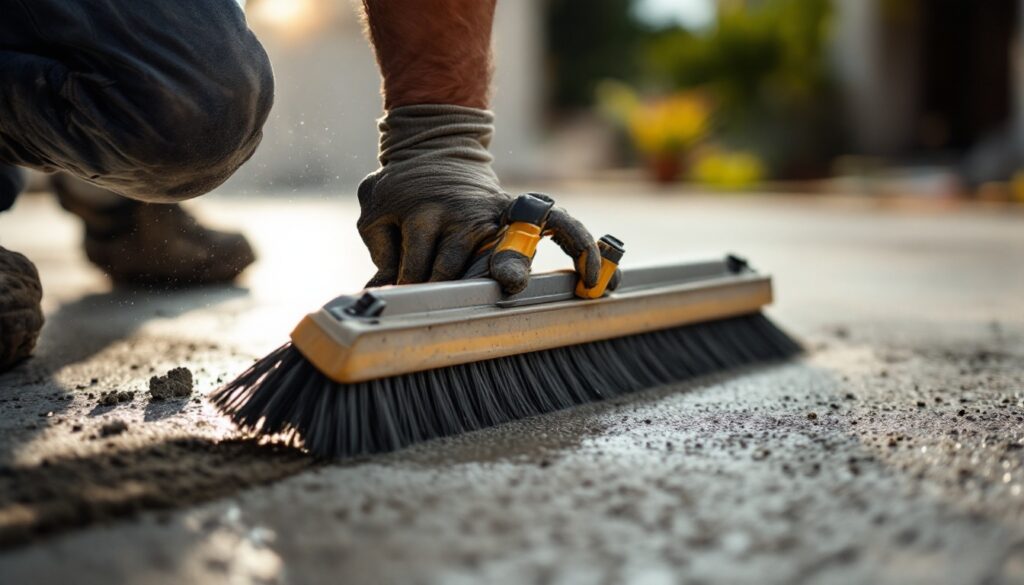
A basic broom-finish concrete patio in San Diego is the simplest option. This includes demolition of old surface, base preparation (4 inches of compacted gravel), pouring 4 inches of standard concrete, and a simple broom finish for slip resistance.
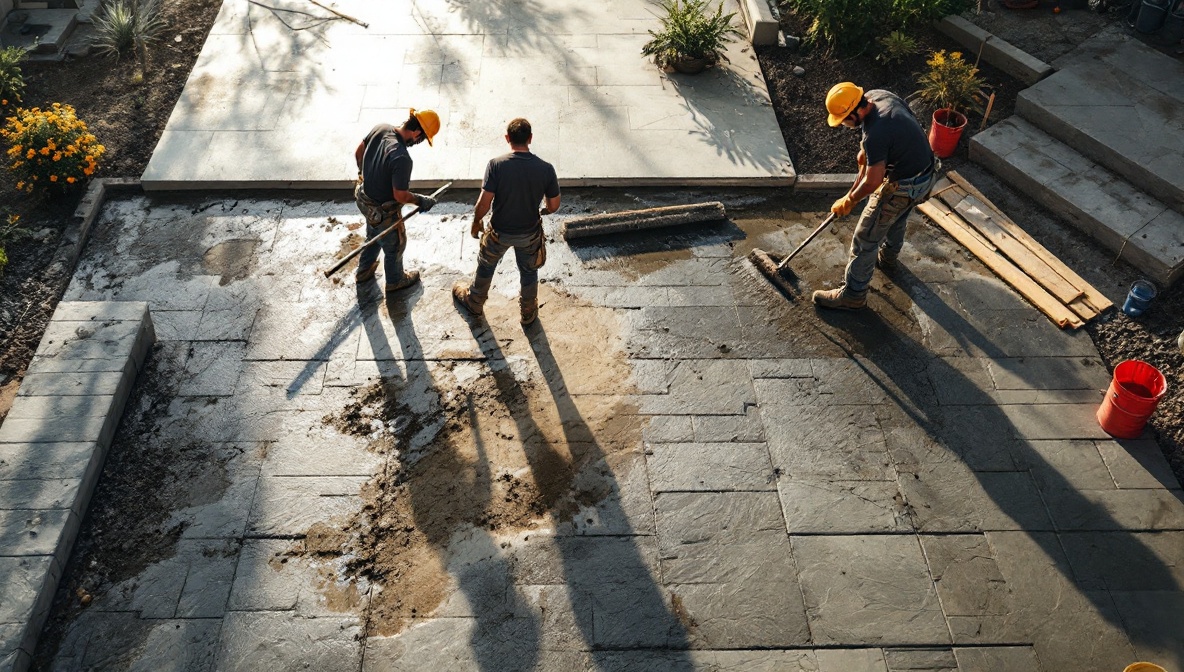
Stamped or decorative concrete costs more than broom finish. The contractor pours the concrete, stamps it with a pattern while it’s still wet, and applies colored sealers. Popular patterns in San Diego neighborhoods include slate, slate ashlar, and flagstone textures.
Polished concrete is ground down with progressively finer diamond pads to expose the aggregate and create a smooth, glossy surface. This option works well for covered patios near La Jolla or Point Loma homes.
What Drives Concrete Patio Installation Costs in San Diego
Site Prep and Base Work
Proper base preparation adds to your total. This includes removing old pavement, grading the site for drainage, and compacting 4 inches of gravel base. In San Diego’s clay-heavy soil (common in neighborhoods like Serra Mesa and Tierrasanta), additional grading or soil amendments can push costs higher.
If your backyard slopes significantly toward the house, the contractor must excavate deeper or add a perimeter drain system to prevent water pooling. This can add significantly to the project.
Square Footage
Larger patios have a lower per-square-foot cost because labor and equipment are spread across more area.
Finish Complexity
Broom finish (simple texture for grip) costs the least. Stamped concrete requires additional labor, specialized tools, and pattern releases—adding to material costs. Polished concrete requires multiple grinding passes, which is time-intensive labor.
Colored concrete adds to the cost. A custom color (like terracotta for a Rancho Bernardo villa style or gray for modern coastal homes) requires careful mixing and application.
Reinforcement
Standard residential patios use wire mesh or 6-inch on-center rebar. Most contractors include this in the base price. Thickened edges (8 inches instead of 4) for patios that will support a hot tub or pergola add to the cost.
Drainage and Grading
San Diego’s winter rains (November through February) make proper slope critical. A 1% slope (one inch of drop per 10 feet) prevents water pooling and cracks. Correcting poor drainage can add to the cost.
Permitting Requirements for San Diego Patios
Concrete patios under 30 square feet in San Diego city generally don’t require a permit. Patios 30 square feet or larger need a standard building permit.
The permit process takes 5–10 business days for standard residential work. You’ll need a plot plan showing the patio location, dimensions, and setbacks from property lines. Setback requirements typically run 5 feet from rear property line in residential zones.
Chula Vista, Carlsbad, and Encinitas have similar thresholds but slightly different setback rules. Check with your local planning department before design begins. Permits must be pulled before work starts—not after.
If your patio connects to the house (attached patio), San Diego may require additional drainage approval. Many inspectors require a sloped surface draining away from the foundation, which is already standard best practice.
Timeline for Concrete Patio Installation in San Diego
A straightforward 300 sq ft patio takes 3–5 business days from start to finish. Day 1 covers demolition and prep. Days 2–3 involve base setup and concrete pouring. Days 4–5 allow curing time before finishing work (sealing, etc.).
Stamped or colored concrete adds 1–2 days because the pattern work and color application happen while the concrete is still curing. Full curing to walk-on strength takes 7 days; curing to vehicle strength takes 28 days.
Weather delays are common in San Diego. Rain between November and March can push projects back because concrete cannot cure properly in wet conditions. Plan accordingly if you’re scheduling for winter installation.
Finish Types and Durability
Broom Finish
Broom finish is a durable, budget-friendly choice for high-traffic areas. A stiff broom is dragged across the wet concrete to create texture. It resists staining and requires minimal maintenance—just a light sweep and occasional power washing.
The downside: broom finish is not highly decorative and can show dirt easily in light colors. In sunny San Diego, light gray broom finish can look chalky after 2–3 years without sealing.
Stamped Concrete
Stamped concrete mimics stone, brick, or tile at a fraction of the cost. The contractor releases a pattern-stamp into the wet concrete, then applies a colored sealer. Patterns popular in San Diego include slate, flagstone, and herringbone brick.
Stamped concrete lasts 7–10 years before the sealer needs reapplication. The pattern remains visible but can fade without resealing every 2 years. Cost is higher upfront but delivers visual impact for entertaining spaces.
Polished Concrete
Polished concrete creates a smooth, glossy surface that reveals natural stone chips in the concrete. It’s elegant but slippery when wet—not ideal for high-traffic patios in rainy months. Salt-finish polishing adds texture for better grip.
Polished patios require annual maintenance (resurfacing) to maintain shine. They work best for covered patios near Torrey Pines or La Jolla homes where weather exposure is limited.
Common Hidden Costs and How to Avoid Them
Soil Conditions
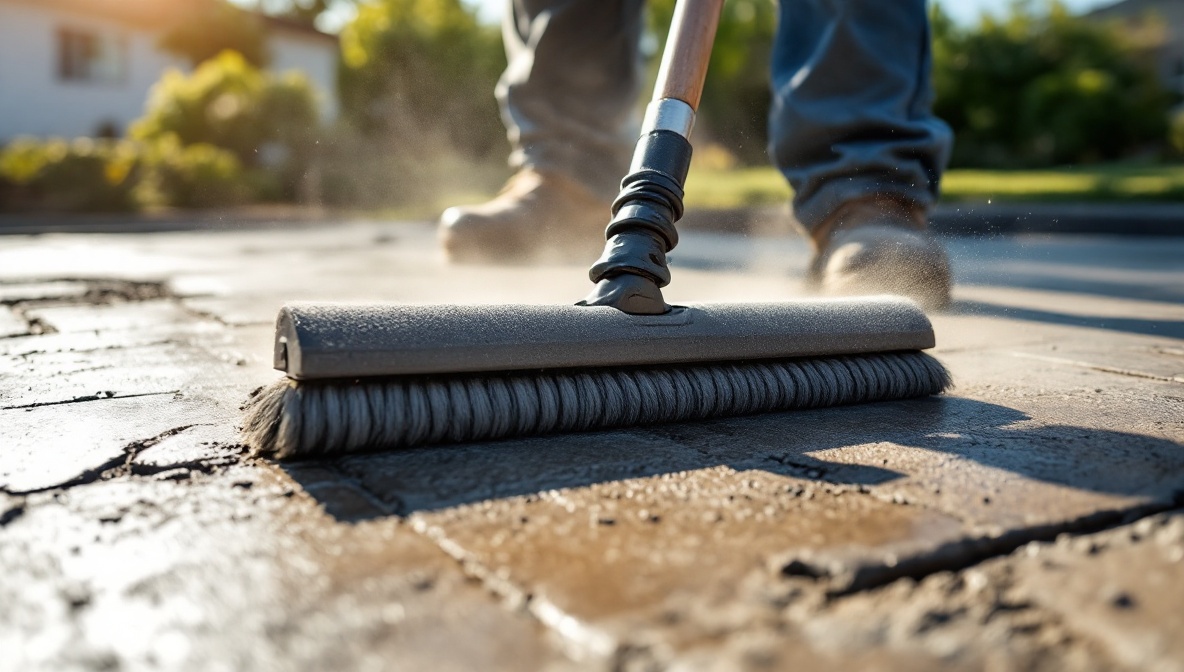
San Diego’s coastal areas (Del Mar, Encinitas) have clay-heavy soil that holds water. If not properly graded, clay can cause concrete to heave or crack. A soil test is inexpensive and can save you from costly repairs later.
Utility Locates
Before digging, call 811 or visit www.call811.com to mark gas, electric, and water lines. This service is free and takes 3–5 business days. Missing utilities during excavation can result in fines and costly repairs.
Existing Structure Removal
If you’re replacing an old patio or removing a built-in bench, demolition can take longer than expected. Reinforced concrete (like pool decks) costs more to remove. Budget extra if demo is more complex than anticipated.
Sealing and Maintenance
New concrete should be sealed 2–4 weeks after installation. Sealing protects against staining, moisture, and UV fading. Skipping this step can lead to permanent stains or spalling within 3 years.
Design Changes During Installation
Changing the patio shape, size, or finish mid-project can delay work and add costs. Finalize all design details with your contractor before the concrete truck arrives.
Ready to Get Started?
SD Concrete Pros offers free estimates for patio installation throughout San Diego County
Choosing a Concrete Contractor for Your San Diego Patio
Select a contractor licensed by the California Contractors State License Board (CSLB). Verify their license at www.cslb.ca.gov. A valid CSLB number ensures the contractor carries workers’ compensation insurance and is bonded.
Ask for references from projects in your neighborhood. Patios in Pacific Beach or Mission Beach face different weathering than those in Ramona, so local experience matters. Request photos of finished work and call 2–3 references.
Get written quotes from at least three contractors. The quote should specify: square footage, base depth, concrete strength (PSI), finish type, sealing, permitting cost, and warranty. Avoid verbal estimates—everything should be in writing.
SD Concrete Pros provides detailed written estimates and handles all permitting for San Diego patios.
Seasonal Considerations for San Diego Patio Installation
Spring (March–May) and fall (September–November) are ideal for patio installation. Temperatures are mild, humidity is moderate, and rain is infrequent. Concrete cures faster in these seasons.
Summer heat (June–August) can accelerate curing but may cause cracks if the concrete dries too fast. Contractors must spray-mist the concrete during curing to slow evaporation. This adds labor cost but prevents shrinkage cracks.
Winter (December–February) is difficult. Rain halts work for days at a time, and cool temperatures slow curing. If you schedule winter installation, plan for 2–3 week delays. Emergency tarping and heaters can keep work on schedule but add cost.
Budget Comparison: Stamped vs. Broom-Finish Patios
A broom-finish patio costs less and lasts 20+ years with basic maintenance (power washing, occasional resealing). A stamped patio costs more upfront but delivers a custom look and requires resealing every 2 years.
Over 20 years, maintenance costs favor broom finish. However, if you plan to sell your home in 5 years, stamped concrete adds visual appeal and can increase resale appeal in upscale San Diego neighborhoods.
Consider your lifestyle. High-traffic patios used for entertaining benefit from decorative finishes. Utility patios (vegetable gardens, storage) work fine with broom finish.
Common Mistakes to Avoid
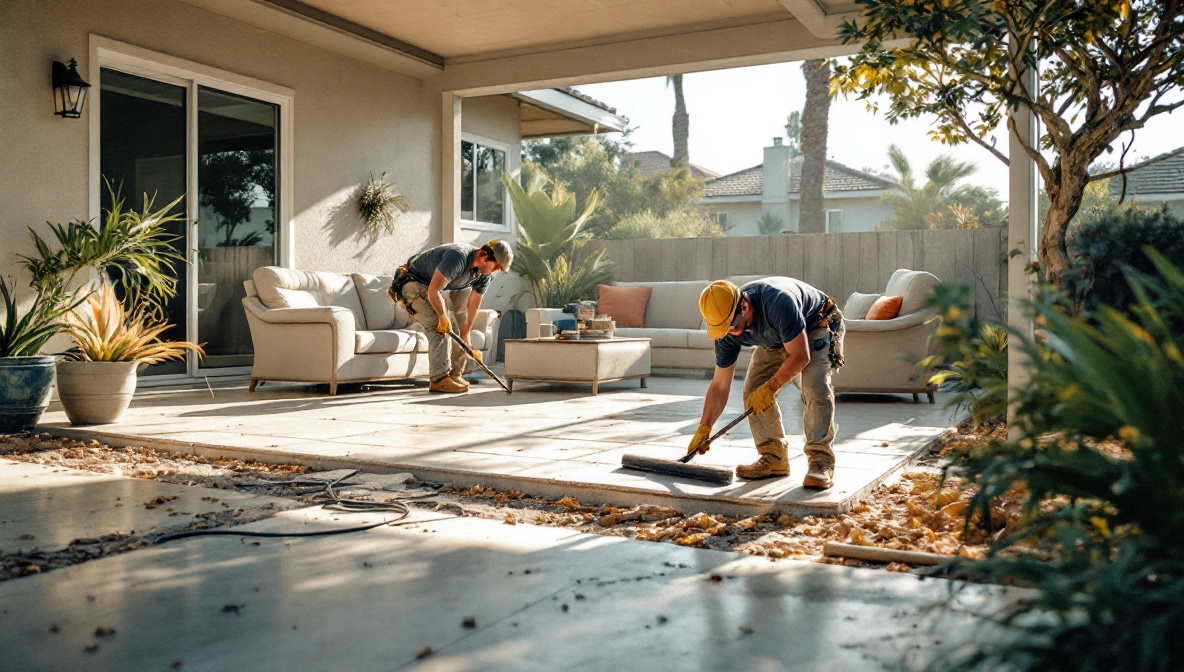
Underestimating excavation depth: Shallow base prep leads to heaving and cracking. Always dig at least 4 inches deep for gravel base, even if the soil looks solid.
Skipping drainage slope: A flat patio traps water and accelerates concrete deterioration. Ensure 1% slope away from house and structures.
Pouring in wet weather: Concrete poured during rain cures improperly and develops weak spots. Wait for clear weather before scheduling the pour.
Neglecting sealing: Unsealed concrete stains easily and weathers fast in San Diego sun. Seal new concrete within 4 weeks and reseal every 2 years.
Cutting corners on labor: A cheap contractor may skip reinforcement, use thin concrete, or rush the base. This may save money upfront but can cost far more in repairs later.
Questions to Ask Before Hiring
- Are you licensed by the California Contractors State License Board? (Ask for CSLB number.)
- Do you pull permits, or do I need to?
- What PSI (strength) concrete will you use?
- Will you hand-finish or use machines?
- Do you reseal the concrete after finishing?
- What warranty do you offer?
- Can you provide 3 local references?
- Do you guarantee the timeline or work in bad weather?
Get Your Free Patio Estimate Today
SD Concrete Pros will visit your home, assess your space, and provide a detailed written estimate with no obligation.
Frequently Asked Questions
How long does a concrete patio last in San Diego?
A properly installed and sealed concrete patio lasts 25–30 years in San Diego. Climate factors (UV exposure, temperature swings, salt air near the coast) affect durability. Regular resealing every 2 years extends lifespan significantly.
Do I need a permit for a concrete patio in San Diego?
Yes, patios larger than 30 square feet require a building permit in San Diego city. Permits take 5–10 business days to approve. Smaller patios (under 30 sq ft) are exempt, but verify with your local planning department first.
What’s the best finish for a high-traffic patio?
Broom finish is most durable for high-traffic patios because it resists wear and doesn’t require frequent sealing. Stamped concrete is more decorative but requires resealing every 2 years to maintain appearance and protect against staining.
Can I install a patio myself?
DIY patio installation is possible for experienced builders, but mistakes are costly. Poor base prep, improper slope, weak concrete, and cracking can result. Most homeowners hire professionals to ensure proper drainage, reinforcement, and finish quality.
How much does sealing cost?
Sealing cost depends on the size of the patio and the sealer used. Professional-grade penetrating or acrylic sealers protect against water, UV fading, and staining. Reseal every 2 years to maintain protection. Related: How Long Does a Concrete Driveway Last in San Diego? Related: Concrete Patio San Diego: 2026 Guide to Cost, Design & Installation Related: San Diego Concrete Resurfacing: Restore Your Driveway, Patio & Pool Deck Related: How Much Does Concrete Cost Per Yard in San Diego? Related: Why Is My Concrete Patio Sinking? Causes & Solutions in San Diego
Related Articles
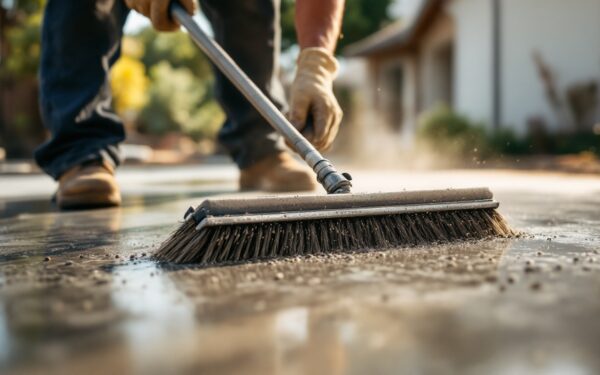
San Diego Concrete Resurfacing: Driveway, Patio & Pool Deck
San Diego concrete resurfacing costs $3 to $7 per square foot and breathes new life into worn driveways, patios, and pool decks. Learn what affects pricing, which surfaces qualify, and why resurfacing beats full replacement.
Read More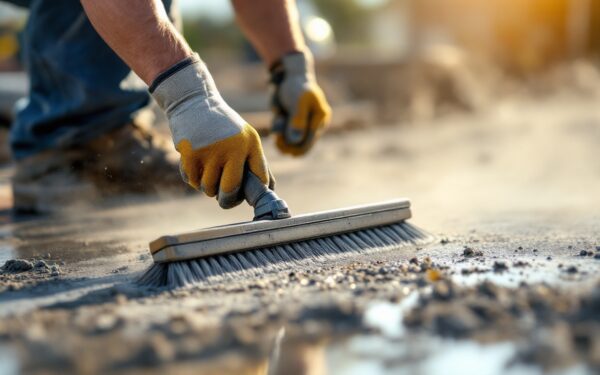
Concrete Driveway San Diego: Guide to Materials & Installation
Everything you need to know about concrete driveways in San Diego: costs, installation, maintenance, and why stamped concrete and decorative finishes make sense in Southern California's climate.
Read More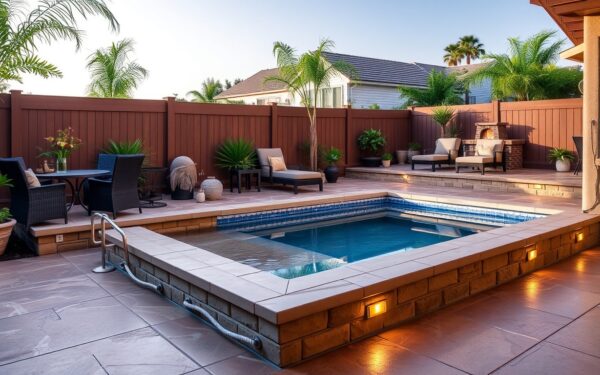
Stamped Concrete Design Ideas to Transform Your San Diego Patio or Pool Deck
Explore the best stamped concrete design ideas for San Diego patios and pool decks. From natural stone patterns to custom color blends, discover how stamped concrete can elevate your outdoor living space.
Read More