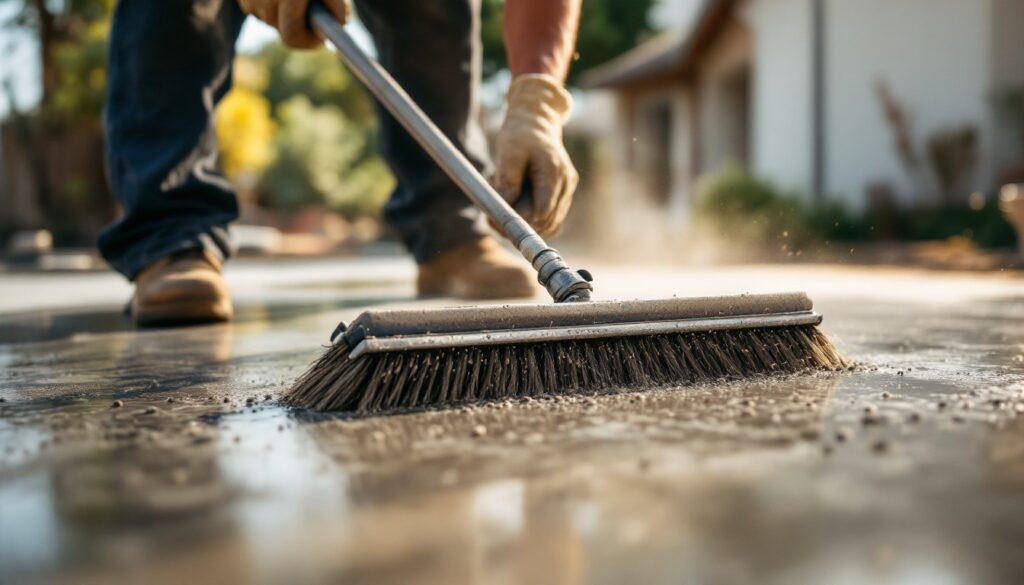
San Diego concrete resurfacing cost depends on several factors. Surface condition, finish type, and repair scope determine your final price. Here’s what to expect before getting your first quote.
What Is Concrete Resurfacing and Why Your San Diego Surfaces Need It
Concrete resurfacing applies a thin polymer or cementitious overlay to existing concrete to repair damage, hide stains, and restore aesthetics. Rather than tearing out and pouring new concrete, resurfacing salvages the sound base and locks in years of additional life.
San Diego‘s salt air, UV exposure, and seasonal temperature swings break down concrete surfaces quickly. Hairline cracks widen, spalling develops, and stains accumulate. Resurfacing addresses all three without the disruption of full replacement.
This process works on driveways, patios, pool decks, garage floors, and even commercial warehouses. If your concrete is structurally sound but cosmetically worn, resurfacing is the smart choice.
San Diego Concrete Resurfacing Cost Breakdown: What You’ll Pay
Resurfacing cost varies by finish. Here’s how the main options compare:
- Basic broom-finish overlay: Durable, slip-resistant, low cost.
- Textured or decorative finish: Stamped, stenciled, or exposed aggregate look.
- Epoxy or polyurethane coating: Glossy, chemical-resistant, premium appearance.
- Colored or tinted overlay: Adds to base price.
- Crack repair before resurfacing: Priced per repair, depending on depth and width.
Price varies by:
- Square footage (larger areas reduce per-sq-ft cost).
- Surface preparation (removing sealant, cleaning, grinding).
- Existing damage severity (cracks, scaling, pitting).
- Access difficulty (narrow side yards or slopes cost more).
- Finish complexity (solid color vs. custom stamping).
Get a Free Estimate Today
SD Concrete Pros provides transparent pricing and honest advice on your resurfacing options.
When to Choose Resurfacing Over Full Replacement
Resurfacing is a good option if:
- The base concrete is structurally sound (no major cracking or sinking).
- You want a cosmetic upgrade in 3–5 days instead of weeks.
- Your budget won’t support full replacement.
- Drainage and slope are adequate.
- The surface is less than 20 years old.
Full replacement is necessary if:
- Foundation has settled unevenly or shows major cracks (wider than ¼ inch).
- Concrete is actively spalling in large sections.
- Water pools on the surface or drainage is poor.
- Tree roots have lifted or broken the slab.
A licensed concrete contractor can evaluate your surface in one visit. Many offer free inspections in neighborhoods like Mission Hills, Pacific Beach, and Rancho Bernardo.
The San Diego Concrete Resurfacing Process: Step by Step
Step 1: Surface Inspection and Prep
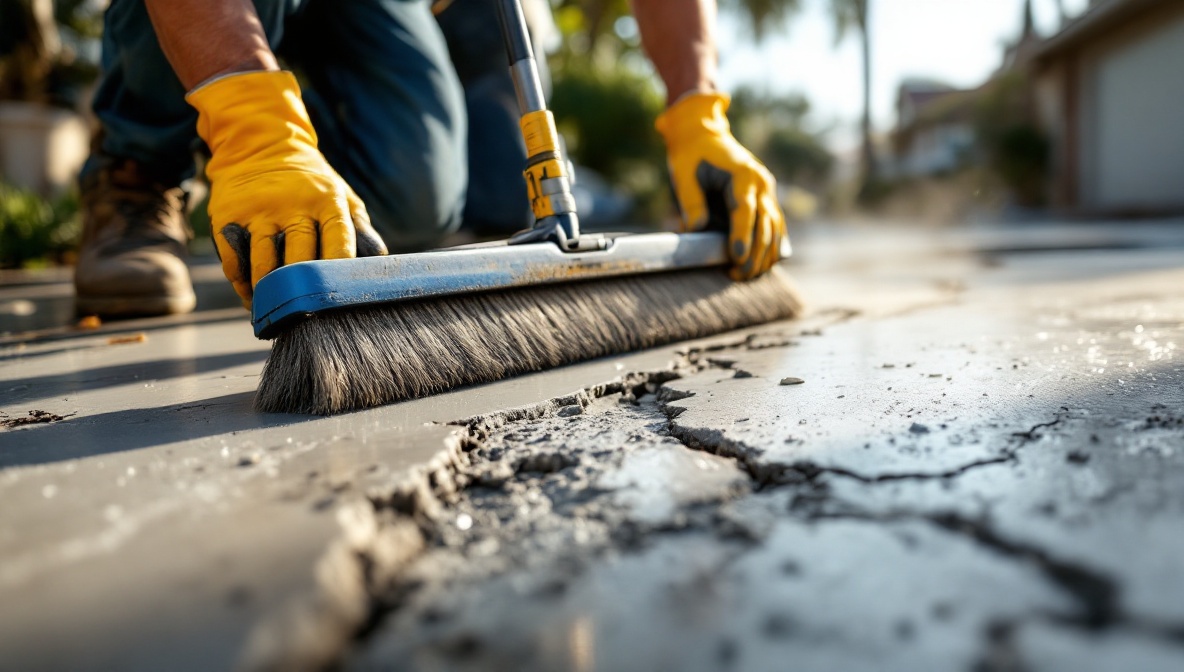
Contractors inspect the concrete for structural integrity using simple tap tests and visual assessment. They identify soft spots, delamination, or unstable areas. If the base is sound, prep begins: power washing, sealing removal, and grinding to improve adhesion.
Step 2: Repair Cracks and Fill Voids
Hairline cracks are routed out and filled with flexible sealant. Larger cracks (⅛ inch to ½ inch) are cleaned, primed, and filled with polyurethane or epoxy. Voids and low spots are leveled with self-leveling repair compound.
Step 3: Apply Bonding Agent
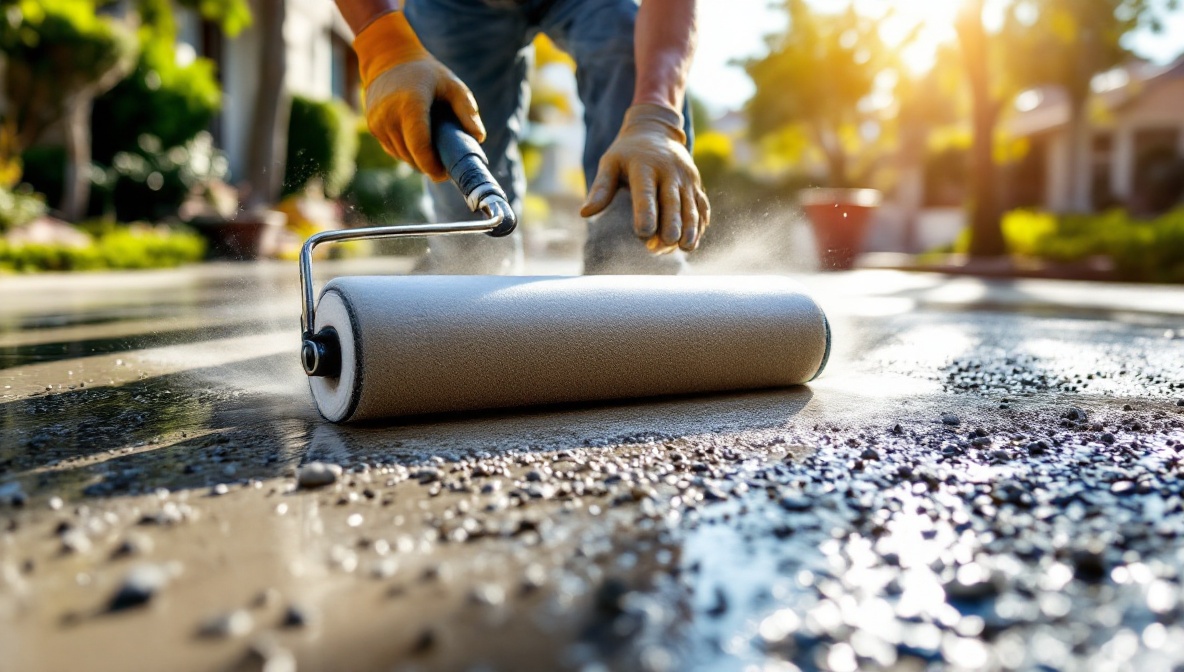
A thin bonding primer is rolled or sprayed onto the clean, dry surface. This ensures the overlay adheres permanently and prevents later peeling or separation. Most primers cure in 4–24 hours depending on temperature and humidity.
Step 4: Mix and Apply Overlay Material
Overlay material—typically a polymer-modified cement or epoxy—is mixed to precise consistency. Crews apply it in thin, even coats using trowels, rollers, or spray equipment. Thickness ranges from ⅛ inch to ¼ inch.
Step 5: Finish and Cure
The overlay is textured (broom, stamp, or trowel finish) immediately after application. Crews protect the surface from foot traffic and rain for 24–48 hours while it cures. Full strength is reached in 5–7 days. Sealant is applied after cure for UV and moisture protection.
The entire job—from inspection to cure—typically takes 7–10 days on driveways and patios.
Types of Concrete Resurfacing Finishes Available in San Diego
Broom Finish
A traditional broom drag creates a slip-resistant texture. It is ideal for driveways and pool decks. The texture hides imperfections well and is easy to maintain.
Stamped Overlay
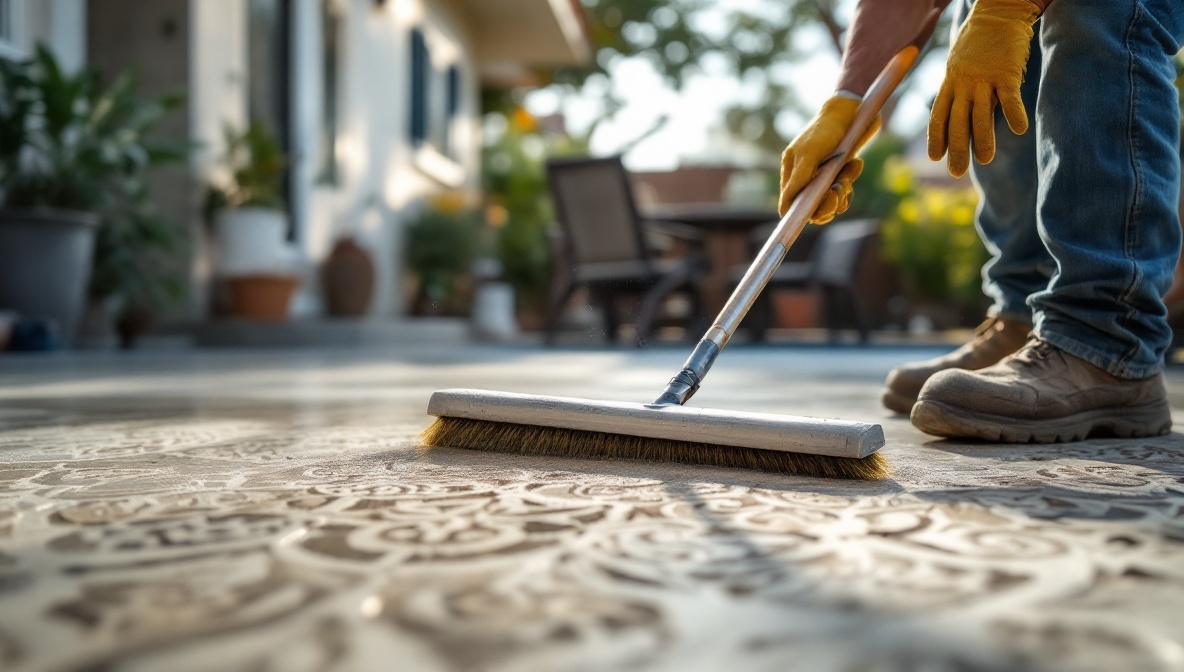
Stamped patterns mimic stone, brick, or tile. Crews press rubber mats into wet overlay to create repeating designs. This finish elevates curb appeal and is popular in upscale neighborhoods like La Jolla and Del Mar.
Exposed Aggregate
Small stones are embedded in the overlay, then the top layer is lightly washed away to reveal them. The result is a beautiful, speckled, slip-resistant surface. Learn more about exposed aggregate concrete in San Diego.
Stenciled Design
Custom patterns, logos, or borders are cut into the overlay before cure. This allows for unique, branded finishes on commercial driveways or patios.
Epoxy Coating
High-gloss, two-part epoxy creates a garage-floor or showroom look. It’s chemical-resistant, easy to clean, and durable. Not recommended for outdoor patios (slippery when wet) but excellent for interior garages.
Common Problems Resurfacing Solves in San Diego
Spalling and Scaling
Salt spray from the Pacific Ocean causes the concrete surface to flake and peel. Resurfacing seals the damage and provides a new protective layer. This is especially common on patios near coastal areas like Ocean Beach and Mission Beach.
Stains and Discoloration
Oil, rust, algae, and mold stains become embedded over time. Resurfacing with colored overlay hides all staining permanently. Colored concrete costs more per sq ft than plain gray.
Hairline Cracks
Fine cracks develop from freeze-thaw cycles (rare in San Diego but possible inland near Julian) or minor settling. Resurfacing fills them and prevents water from entering and widening them further.
Uneven Surface and Tripping Hazards
Settling or erosion creates low spots and raised edges. Self-leveling overlay corrects these imperfections, improving safety and accessibility. This is critical for ADA compliance on commercial properties.
Slick or Unsafe Texture
Aging concrete becomes smooth and slippery. A textured overlay restores grip and reduces slip-and-fall liability—essential for pool decks and commercial walkways.
Why San Diego Contractors Recommend Resurfacing Over DIY or Cheap Patches
DIY concrete patches fail quickly. Homeowners often apply product directly to dirty, unsealed concrete, causing peeling within months. Professional resurfacing costs more upfront but delivers 10–15 years of life.
Budget contractors may use low-quality bonding agents or skip surface prep. This leads to separation and cracking. SD Concrete Pros uses industry-standard materials and proven application methods that meet ASTM specifications for polymer overlays.
A quality resurfacing job includes:
- Full surface grinding to open pores and remove laitance.
- Premium bonding primer rated for outdoor use.
- Polymer-modified cement or epoxy, not cheap acrylic paint.
- Proper curing time and weather protection.
- Sealing to protect against UV and water damage.
The difference between a quick patch and a professional resurfacing is longevity. Plan for resurfacing to last 10–15 years, versus 2–3 years for budget work.
Permitting and Local Code Requirements for San Diego Resurfacing
Most concrete resurfacing in San Diego does not require a building permit. Resurfacing is considered maintenance or repair, not a new structure.
However, check with your local city:
- San Diego City: Resurfacing permits are not required for residential driveways or patios under 500 sq ft. Larger commercial projects may need a development impact fee.
- Chula Vista: Driveway resurfacing is exempt. Patio resurfacing is exempt if it’s not changing the setback or slope.
- Carlsbad: Resurfacing is permit-exempt for single-family homes. Commercial properties should confirm with the Building Department.
- Oceanside and Encinitas: Coastal properties may trigger a coastal development permit review if within 100 feet of the mean high-water line. This typically adds time and fees.
A licensed contractor like SD Concrete Pros knows your local requirements and can advise before work starts. This avoids surprise stop-work orders or fines.
How Long Does San Diego Concrete Resurfacing Last?
A quality resurfacing job lasts 10–15 years in San Diego’s climate. UV exposure, salt air, and occasional heavy rain are the main stressors.
Lifespan depends on:
- Material quality: Premium epoxy and polyurethane last 12–15 years. Budget acrylic overlays last 5–7 years.
- Sealer type: Acrylic sealers need reapplication every 1–2 years. Penetrating sealers last 3–5 years. Topcoat sealers (polyurethane) last 5–7 years.
- Sun exposure: South and west-facing surfaces fade and wear faster. North-facing patios under shade may last 15+ years.
- Traffic and maintenance: Heavy use and poor cleaning shorten life. Light-traffic areas with annual sealing last longer.
- Base concrete condition: If the underlying slab is deteriorating, resurfacing buys time but eventual replacement may still be needed.
Most homeowners reseal their resurfaced concrete every 1–3 years for best results. This extends life by 2–3 years.
Comparing Resurfacing to Other Repair Options
You have three main options for a worn concrete surface:
Sealing only: Waterproof sealant is applied to existing concrete. This protects against water and UV but does not repair damage. Best for surfaces with minor staining and no cracks. Lasts 2–3 years.
Resurfacing: An overlay repairs cracks, hides stains, and refreshes appearance. Lasts 10–15 years. Best for surfaces with cosmetic damage and a sound base. This is the middle-ground option.
Full replacement: The old concrete is jackhammered out and new concrete is poured. Provides a like-new surface. Necessary if the base is failing or settlement is severe. Takes 2–3 weeks including cure time.
Resurfacing saves money compared to replacement, requires less downtime than replacement, and lasts much longer than sealing alone. It’s the smart choice for most San Diego homeowners with cosmetically worn but structurally sound concrete.
For a detailed comparison of concrete solutions, check out our guide to concrete driveway repair in San Diego.
Finding the Right San Diego Concrete Resurfacing Contractor
Not all concrete contractors are qualified to do resurfacing. The work requires skill in surface prep, bonding chemistry, and finish techniques. A poor application fails quickly and costs more to fix.
When vetting contractors, ask for:
- CSLB License Number: Verify the contractor’s California State License Board number at cslb.ca.gov. Look for an active C-3 (concrete) or C-27 (landscape) license.
- Insurance: Confirm they carry general liability and workers’ compensation insurance.
- References: Ask for 3–5 past resurfacing projects in San Diego with contact information.
- Material specs: What brand and type of overlay will they use? Ask for the technical data sheet (TDS).
- Written warranty: Ask what warranty, if any, the contractor provides in writing.
- Local presence: A contractor based in San Diego understands local weather, soil, and code.
Always get at least three written estimates. Pricing should be similar; if one estimate is 40% below the others, ask why. Low bids often reflect poor material choices or corner-cutting on prep.
Seasonal Timing for San Diego Concrete Resurfacing
San Diego’s mild climate allows resurfacing year-round, but spring (March–May) and fall (September–November) are ideal.
Spring: Warm days and cool nights provide optimal cure conditions. Crews finish quickly without rain delays. Homeowners can enjoy refreshed patios all summer.
Summer (June–August): Heat accelerates cure but raises the risk of rapid drying and shrinkage cracking. Crews may need to mist the surface to slow cure. Early morning or evening work prevents over-heating.
Fall: Cooler temps and low humidity allow perfect cure. Rarely rained on in San Diego. Popular season for driveways before holiday season.
Winter (December–February): Cool, occasional rain can slow cure and affect application. Possible but not ideal. Crews can work but may need 5–7 extra days for cure.
Plan your project 4–6 weeks in advance during spring or fall for the best results and contractor availability.
Frequently Asked Questions
How much does San Diego concrete resurfacing cost for a 500 sq ft driveway?
Cost depends on crack repair, finish type, and surface condition. Get a local estimate for exact pricing.
How long does concrete resurfacing take to cure?
Most overlays are walkable in 24 hours and drivable in 48 hours. Full cure takes 5–7 days. Some epoxies require 14 days before full strength. Always follow your contractor’s instructions before heavy use.
Will resurfacing fix deep cracks in concrete?
Resurfacing fills surface cracks (up to ½ inch wide) and hides them. Deeper cracks (wider than ½ inch or growing) signal a structural problem. These must be repaired with injection or routing-and-filling before resurfacing. If the problem persists, replacement may be necessary.
Can you resurfacing concrete over a sealed surface?
No. Old sealer must be ground off or the overlay will not bond. This is why thorough surface prep costs money. Cutting corners here is a common reason resurfacing fails.
Is resurfaced concrete slippery when wet?
It depends on the finish. Broom-finish and exposed aggregate overlays are slip-resistant. Smooth trowel or epoxy finishes can be slick when wet. For pool decks or outdoor walkways, always specify a textured finish and ask your contractor about slip-resistance ratings (ASTM F1679).
Restore Your Concrete with San Diego Concrete Resurfacing
San Diego concrete resurfacing is an affordable, durable way to restore worn driveways, patios, and pool decks without full replacement. Cost depends on finish type and surface condition. The process takes 7–10 days and lasts 10–15 years with proper maintenance.
Whether you’re looking to hide stains, fill cracks, or refresh curb appeal, resurfacing delivers results in weeks, not months. A licensed San Diego contractor can walk you through options, provide a written estimate, and guide you to the right choice for your budget and timeline.
Ready to get started? SD Concrete Pros specializes in high-quality resurfacing with transparent pricing and proven craftsmanship.
Ready to Restore Your Concrete?
Contact SD Concrete Pros for a free resurfacing estimate in San Diego.
619-848-3880 Related: San Diego Concrete Resurfacing: Cost, Methods, and When to Resurface Related: The Complete Guide to Concrete Resurfacing in San Diego: Restore Your Driveway Without Full Replacement
Related Articles
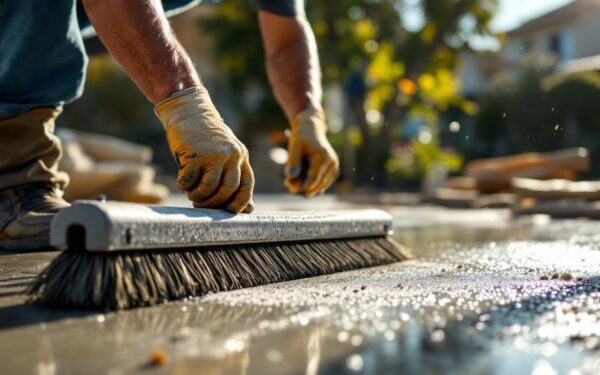
Concrete Driveway Cost San Diego: What Affects the Price
Concrete driveway cost in San Diego ranges from $8 to $15 per square foot installed, or $2,400 to $4,500 for a standard 300 sq ft driveway. Learn what drives pricing and get accurate estimates for your project.
Read More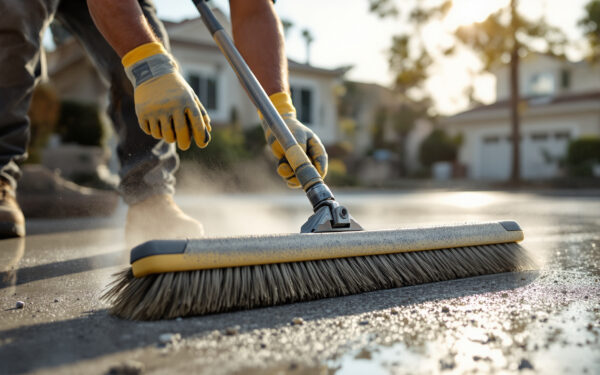
Concrete Repair Services in San Diego: Cracks, Damage, and More
Concrete repair in San Diego ranges from $300 to $2,500+ depending on damage type and extent. Learn about crack repair, resurfacing, and when to call a professional.
Read More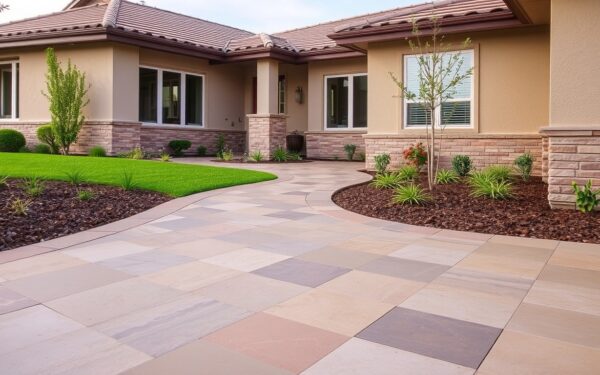
Stamped Concrete vs. Pavers in San Diego: Which Is the Better Investment for Your Home?
Trying to decide between stamped concrete and pavers for your San Diego driveway or patio? We break down cost, durability, maintenance, and long-term value so you can make the right call.
Read More