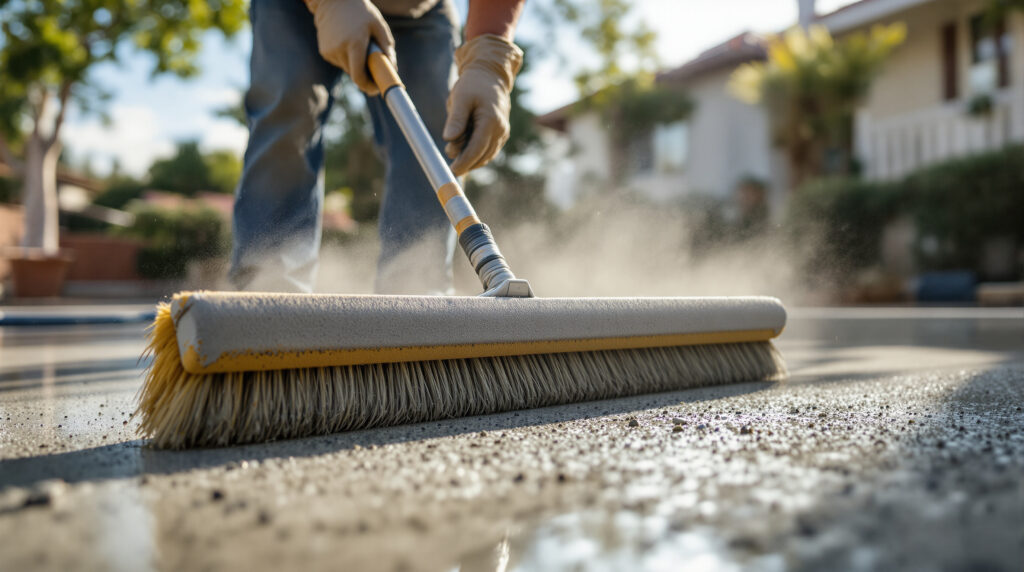
San Diego concrete resurfacing pricing depends on surface condition, prep work required, finish complexity, and whether you need decorative elements like stamped patterns or stains. Here’s what to expect before you get your first quote.
- Timeline: 3–7 days depending on prep and curing
- Suited to: Patios, driveways, pool decks, and walkways with surface spalling, staining, or discoloration
- Life extension: Adds 10–15 years to existing concrete
- Permits: Check with San Diego Building and Safety for projects over 200 sq ft
What Is Concrete Resurfacing and Why It Matters in San Diego
Concrete resurfacing applies a new layer of concrete or specialized coating over an existing slab. Unlike replacement, which removes the old concrete entirely, resurfacing preserves the stable base and costs less. This makes it the smart choice for San Diego homeowners facing faded driveways, spalling pool decks, or aging patios.
San Diego’s climate accelerates concrete wear. Salt air near coastal neighborhoods (Pacific Beach, Mission Beach, Ocean Beach) causes efflorescence and deterioration. Intense UV exposure in inland areas (Scripps Ranch, Carmel Mountain) bleaches and micro-cracks the surface. Summer heat and occasional freeze-thaw cycles stress unprotected slabs.
Resurfacing tackles these problems head-on by creating a fresh, sealed surface that resists moisture, salt, and sun damage. A properly resurfaced driveway or patio typically lasts 10–15 years before needing attention again, far longer than leaving a damaged surface unrepaired.
San Diego Concrete Resurfacing Cost Breakdown
Price varies significantly based on labor intensity, material choice, and existing slab condition. Below are typical project sizes and timelines:
| Project Type | Size (Sq Ft) | Finish Type | Timeline |
|---|---|---|---|
| Patio Resurface | 300 | Broom finish | 4–5 days |
| Driveway Resurface | 600 | Broom finish | 5–7 days |
| Pool Deck Resurface | 400 | Textured | 5–6 days |
| Stamped Patio Resurface | 300 | Decorative stamped | 6–8 days |
| Stained Resurface | 300 | Acid or water-based stain | 5–7 days |
What drives the cost up or down:
- Prep work: Heavy spalling, cracks, or stains require more grinding and patching.
- Decorative finishes: Stamped, stained, or polished surfaces cost more than plain broom finish.
- Slope and drainage: Repairing poor drainage before resurfacing adds labor but prevents future failure.
- Seasonal labor demand: Spring and early fall see higher rates; winter projects (rare in San Diego) cost less.
- Concrete thickness: Thicker overlay (1.5 inches vs. 0.5 inches) uses more material and labor.
Resurfacing Methods: Which One Is Right for You?
Overlay Resurfacing (Most Common)
An overlay is a thin concrete layer applied over the existing slab. Standard thickness ranges from 0.5 to 1.5 inches. The new layer bonds chemically to the old concrete if the base is properly cleaned and primed. Overlays work best on structurally sound slabs with minor cosmetic damage or staining.
Overlays cure in 3–4 days. They’re ideal for patios in neighborhoods like Del Mar, Solana Beach, and Rancho Peñasquitos where surfaces are generally stable but show sun damage or color fading.
Skim Coating
A skim coat is a thin (0.25 to 0.5 inch) layer applied to hide minor imperfections, stains, and discoloration without major prep work. Skim coating is the budget option. Curing takes 2–3 days.
The trade-off: skim coats are less durable than thicker overlays and may crack or peel if the base slab has structural issues. Use skim coating only on surfaces in good condition that need cosmetic refresh.
Polished Concrete Resurfacing
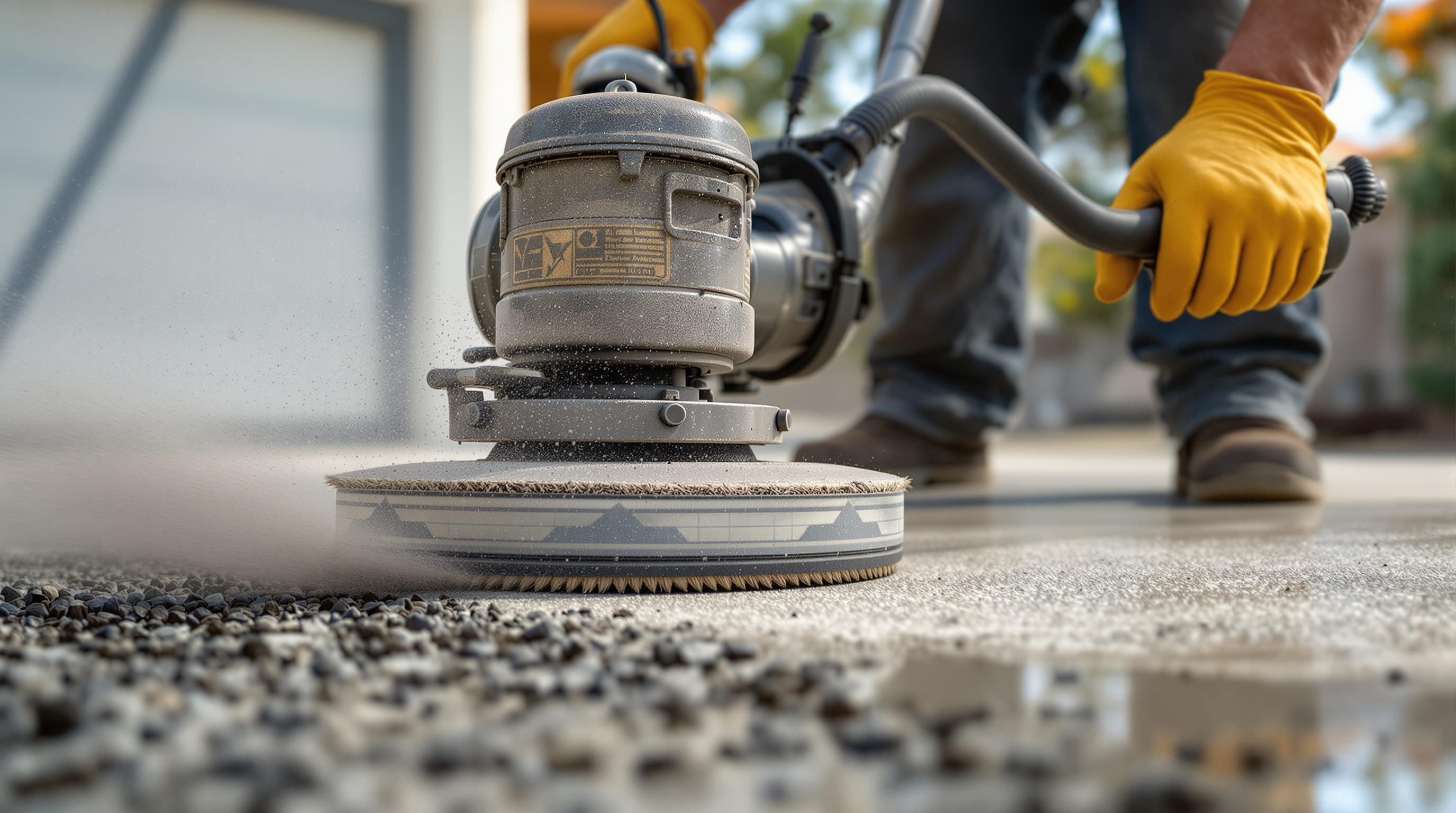
Polishing grinds the concrete surface progressively finer using diamond pads, sealing it to a high gloss. Polished resurfacing is popular for indoor patios, walkways, and modern designs. Curing takes 5–7 days including sealer application.
Polished concrete shows off aggregate and color variation. It’s stain-resistant and lower maintenance than raw concrete. Popular in North Park, Hillcrest, and urban San Diego neighborhoods.
Stamped or Decorative Overlay
A stamped overlay mimics stone, brick, or tile patterns. The wet concrete is pressed with a template before setting. Timeline: 6–8 days including sealing.
Stamped resurfacing is ideal for patios that need a high-end look without the maintenance of real stone. Popular in upscale neighborhoods like Rancho Bernardo, Fairbanks Ranch, and La Jolla.
When to Resurface: Signs Your San Diego Concrete Needs It
Not every crack or stain requires resurfacing. Minor repairs may suffice. Here’s when resurfacing is the right call:
If concrete is peeling in chunks larger than 1/4 inch or if flaking covers more than 20% of the surface, resurfacing seals the damage and prevents it from spreading.
Rust stains, mold, or salt efflorescence that won’t clean off respond well to resurfacing with stain or seal.
A spider-web pattern of tiny cracks indicates UV damage and salt intrusion. An overlay closes these cracks and extends slab life.
A slippery pool deck or driveway due to algae, polish, or wear can be resurfaced with textured finish for grip.
If color is dull but the slab is structurally sound, a skim coat or stain restores appearance in 2–3 days.
Deep cracks that allow water infiltration need repair before resurfacing. SD Concrete Pros can inject and seal these first.
One rule of thumb: if you can fit a credit card into a crack or if more than 30% of the surface shows visible damage, resurfacing is smarter than patching. Repeated small repairs cost more over time than one professional resurfacing job.
San Diego Concrete Resurfacing Process: What to Expect
The resurfacing workflow is consistent across projects, though timeline varies by size and finish:
- Inspection & Assessment: The crew walks the surface, tests structural integrity with a concrete sounding tool, and identifies hidden issues (voids, soft spots, drainage problems).
- Pressure Washing & Surface Cleaning: High-pressure water removes dirt, algae, oil stains, and loose material. Salt-heavy coastal areas (Pacific Beach, Ocean Beach) often need multiple passes.
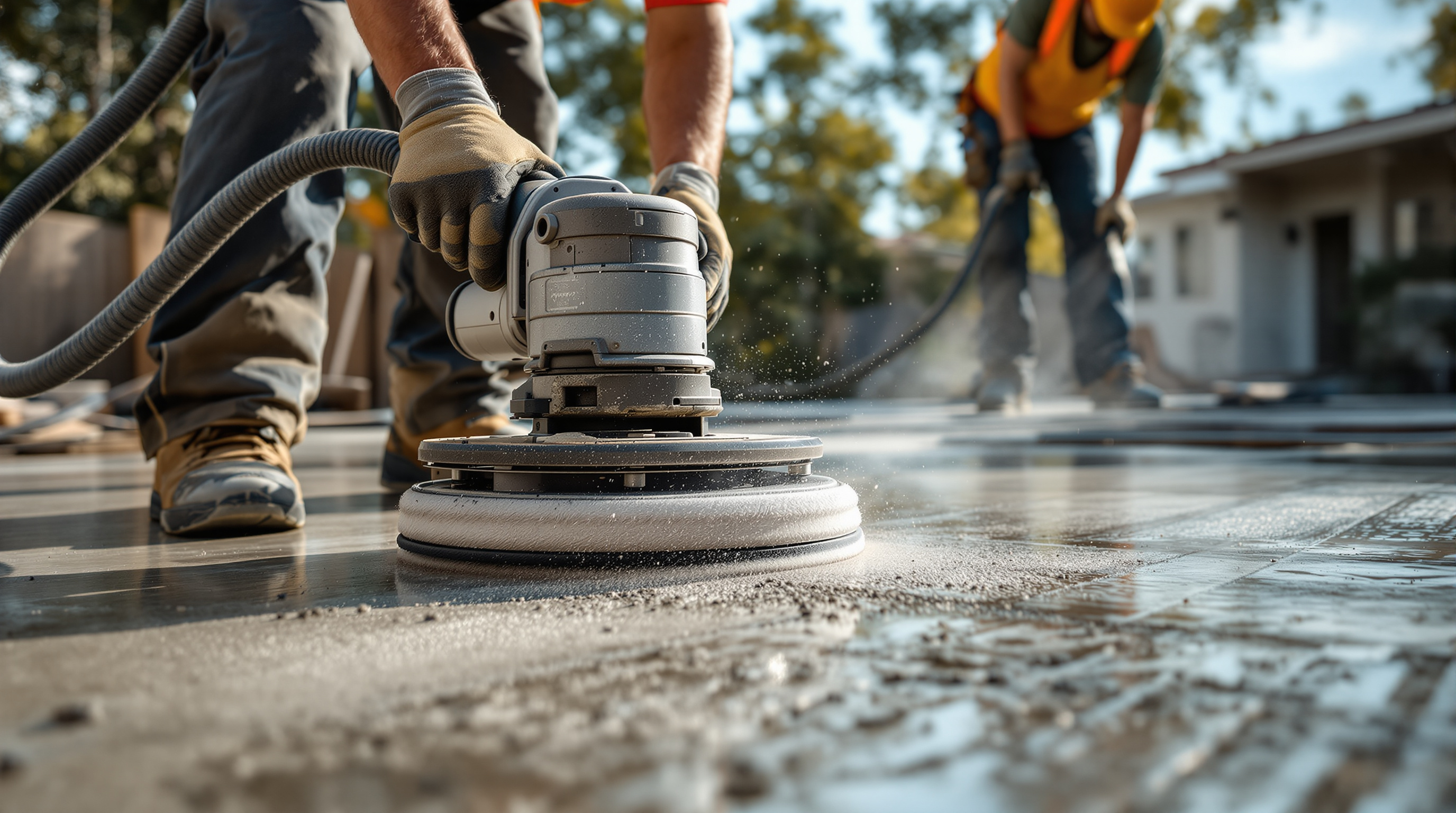
- Grinding & Prep: Diamond grinding removes the top 1/8 to 1/4 inch of surface, exposing a clean substrate for bonding. This is labor-intensive and takes 1–2 days on large driveways.
- Crack & Void Repair: Wide cracks are injected with concrete bonding adhesive or self-leveling polyurethane. Low spots or voids are filled to create a level base.
- Primer Application: A bonding primer is rolled or sprayed onto the prepped surface, ensuring the new overlay sticks. Skip this step and the resurface will peel in months.
- Overlay Application: Fresh concrete or resurfacer is poured, screeded level, and finished (broom, stamped, polished, or stained depending on choice). Concrete cures for 24–72 hours before foot traffic.
- Sealing: A concrete sealer is applied once overlay cures. Sealer protects against stains, salt, and UV. Full cure is 7 days.
Total timeline: 5–8 days. You cannot use the surface during curing. Plan resurfacing projects during low-traffic seasons or when you can arrange temporary parking.
Resurfacing vs. Replacement: Why Resurface in San Diego?
Replacement removes the entire slab and pours new concrete. Resurfacing bonds a fresh layer over the existing base. Here’s the comparison:
| Factor | Resurfacing | Replacement |
|---|---|---|
| Labor time | 5–8 days | 10–14 days |
| Downtime | 7 days cure | 14–21 days cure |
| Site disruption | Medium | High (saw-cutting, haul-off) |
| Suited to | Cosmetic damage, spalling, discoloration, good base | Severe cracking, settlement, failed drainage |
Resurface if your slab is structurally sound but cosmetically or functionally damaged. Replace if the base slab is settling, has rebar corrosion, chronic water damage, or uneven sections that create trip hazards.
In San Diego, resurfacing is often a cost-effective first choice. SD Concrete Pros evaluates your specific slab during a free estimate and recommends the right option for your budget and timeline.
Permits and Regulations for San Diego Concrete Resurfacing
San Diego Building and Safety requires permits for concrete work over 200 square feet. Resurfacing work on residential properties generally qualifies as a minor alteration if no structural changes occur.
Permit requirements by area:
- City of San Diego: Permits required. Standard residential concrete resurfacing takes 5–10 days for approval.
- Chula Vista, Carlsbad, Escondido: Check with local jurisdictions; most require permits for work over 200 sq ft.
- Unincorporated County areas: San Diego County Building Standards may apply. Verify with your local code office.
Contractor licensing: California law requires most contractors to carry a Contractors State License Board (CSLB) license. Verify your contractor’s license number with the official CSLB database before signing any contract.
Maintaining Your Resurfaced San Diego Concrete
A fresh resurface needs care to stay beautiful and last the full 10–15 year lifespan:
- First 7 days: Keep foot and vehicle traffic off cured concrete. The sealer needs time to harden.
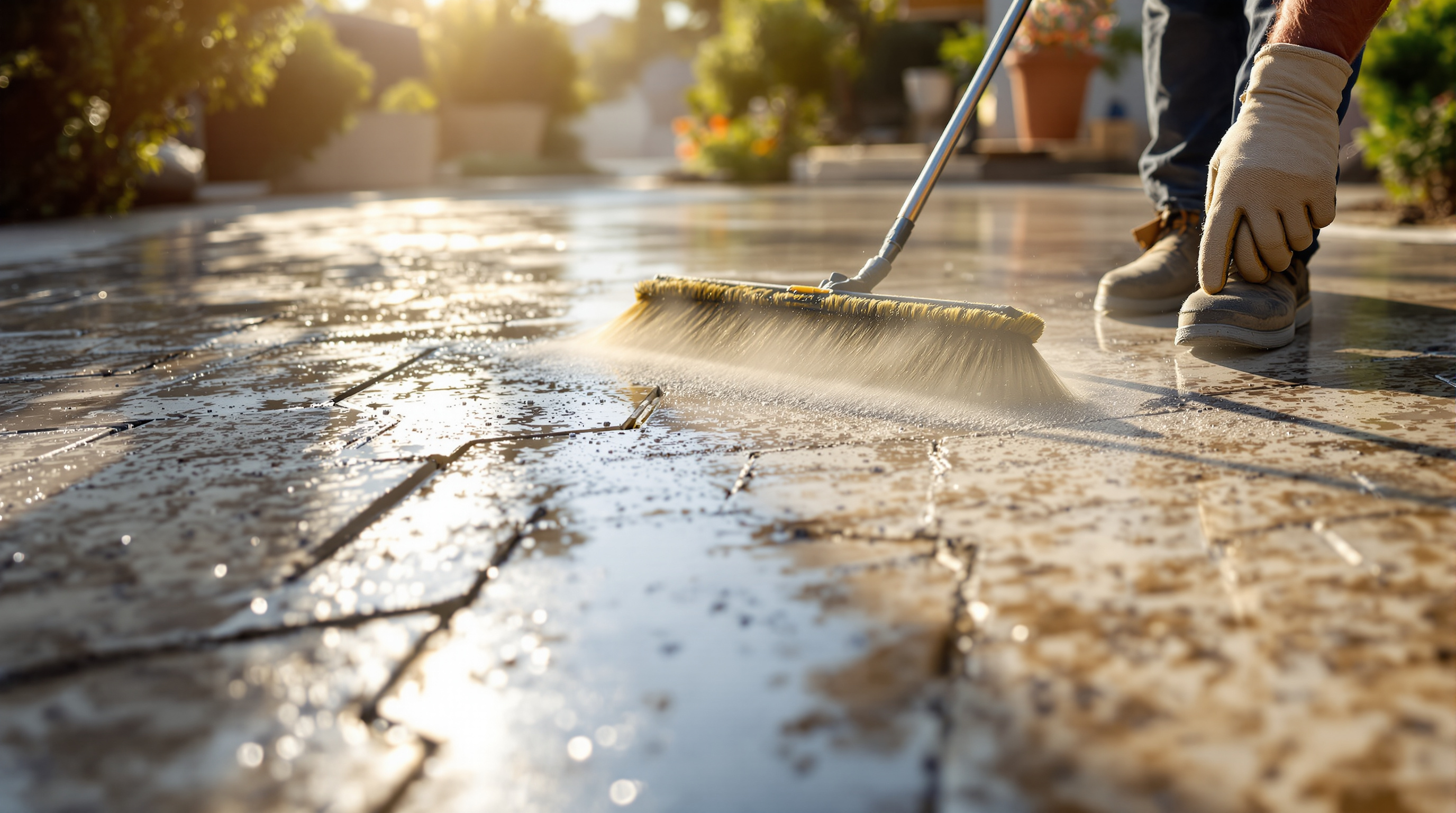
- Clean regularly: Sweep weekly and pressure wash (low pressure) every 6–12 months to prevent algae and salt buildup.
- Seal every 2–3 years: San Diego sun degrades sealers quickly. Resealing extends protection.
- Avoid salt spray: Coastal properties should rinse surfaces monthly during dry months to remove salt deposits.
- Repair spills promptly: Oil, rust, and mold can stain if left unattended. Clean spills within hours.
Proper maintenance saves money on premature repairs and extends your resurfaced surface well beyond its expected life.
Why Choose SD Concrete Pros for San Diego Concrete Resurfacing
Concrete resurfacing is only as good as the prep and sealing. Cut corners on grinding or primer, and your resurface will crack and peel within months. SD Concrete Pros follows industry standards for every project:
- Full surface grinding and diagnostic assessment before any work begins.
- Professional-grade primers and bonding agents (not hardware-store products).
- Proper curing protocols and weather monitoring, no shortcuts in San Diego heat.
We know the local climate, soil conditions, and building codes inside and out.
Related Services for Complete Concrete Solutions
If your concrete needs extend beyond resurfacing, SD Concrete Pros offers complementary services. For decorative finishes, explore concrete stamps and decorative patterns in San Diego. If your pool deck needs specialized attention, our pool deck concrete contractors deliver slip-resistant, salt-resistant finishes. For deeper structural concerns, learn about concrete patio sinking and settlement solutions.
Ready for a Fresh Concrete Surface?
Get your free resurfacing estimate today
FAQ: San Diego Concrete Resurfacing
How long does concrete resurfacing last in San Diego?
Can you resurface concrete that is cracking or settling?
What’s the difference between resurfacing and resealing concrete?
Is stamped concrete resurfacing worth the extra cost?
How soon can I use my concrete after resurfacing?
Related Articles
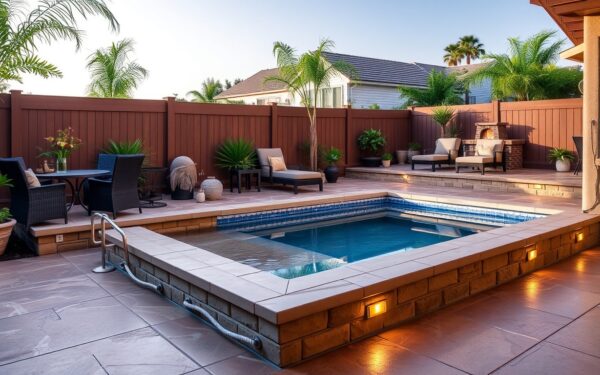
Stamped Concrete Design Ideas to Transform Your San Diego Patio or Pool Deck
Explore the best stamped concrete design ideas for San Diego patios and pool decks. From natural stone patterns to custom color blends, discover how stamped concrete can elevate your outdoor living space.
Read More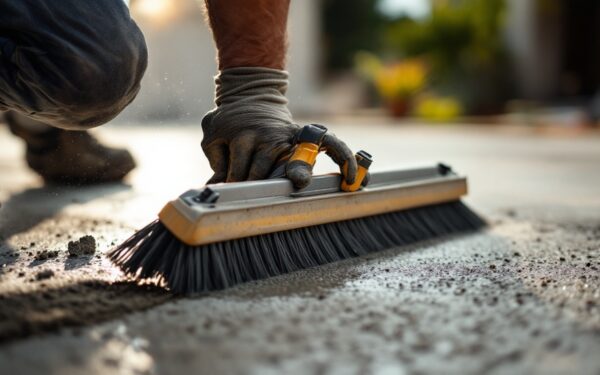
Concrete Patio Installation Cost in San Diego
Concrete patio installation in San Diego costs $8 to $18 per square foot, or $2,400 to $5,400 for a 300 sq ft patio. Prep work, finish type, and local permitting impact the final price. Here's what to budget.
Read More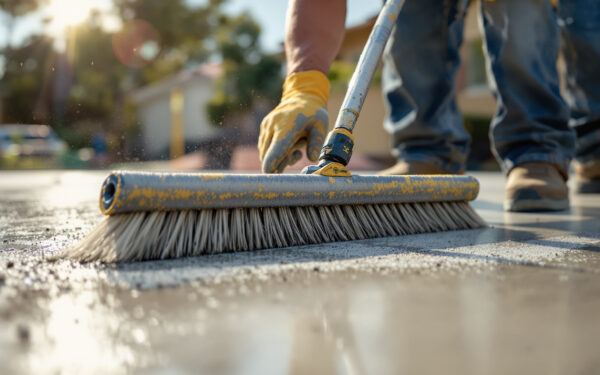
Stamped Concrete San Diego: Cost, Designs, and Installation Guide
Stamped concrete in San Diego costs $8–$15 per square foot installed. Learn design options, durability, maintenance, and whether it's worth the investment for your home.
Read More