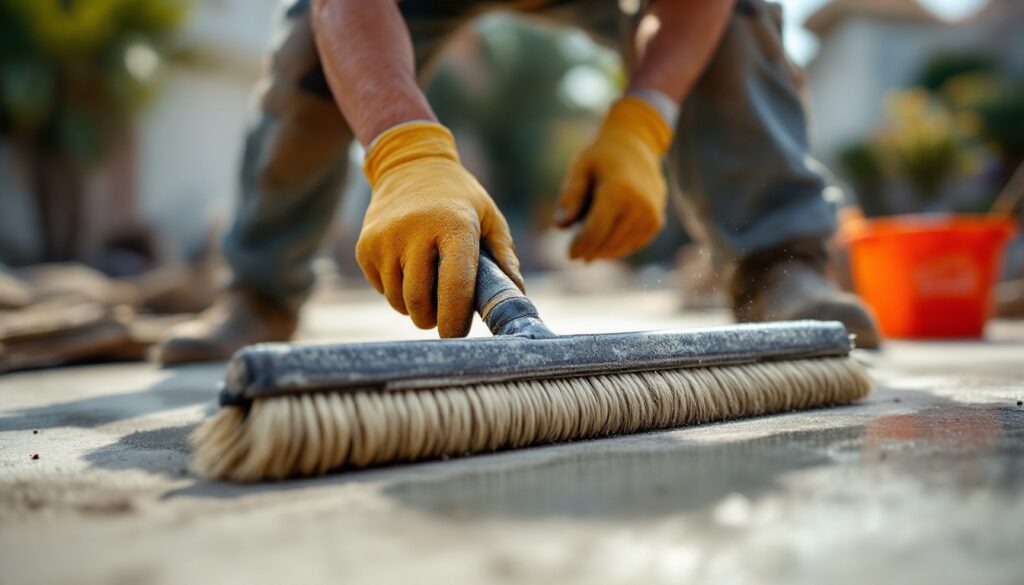
Decorative concrete San Diego offers homeowners a way to add curb appeal and durability to driveways, patios, pool decks, and walkways. Stamped, stained, and custom-patterned concrete can mimic natural stone, brick, slate, or tile at a fraction of the cost—while delivering 25-30 years of life when properly sealed and maintained. Here’s what you need to know before committing to a decorative concrete project in San Diego’s climate.
What Is Decorative Concrete and Why San Diego Homeowners Choose It
Decorative concrete combines standard concrete with aesthetic finishes applied during or after the pour. The most common methods are stamping (pressing patterns into wet concrete), staining (applying color with acid or acrylic dyes), and custom scoring (cutting lines to create geometric designs). The result is a surface that looks expensive but costs significantly less than natural stone or pavers.
San Diego’s mild, dry climate is ideal for decorative concrete. Unlike colder regions where freeze-thaw cycles crack surfaces, our 40-65°F winters and minimal rainfall mean decorative finishes last longer with minimal maintenance. No winter salt damage, fewer moisture issues, and stable ground conditions give decorative concrete a 25-30 year lifespan here—longer than stamped concrete in harsher climates.
Cost is another reason. A stamped concrete patio in San Diego typically costs less to install than flagstone pavers.
Stamped Concrete: Patterns and Cost Factors
Stamped concrete uses rubber molds pressed into wet concrete before it hardens. The molds create textures—ashlar slate, slate stack, cobblestone, brick running bond, or random flagstone—that replicate expensive materials. Color is added separately via integral pigments or surface stains.
Common Stamp Patterns and Cost
- Ashlar Slate or Random Flagstone: Popular in La Jolla and Rancho Santa Fe for patios and pool surrounds. Mimics natural stone; ages gracefully with proper sealing.
- Brick Running Bond or Herringbone: Common in East County neighborhoods like Ramona. Adds traditional charm; shows dirt less than lighter patterns.
- Cobblestone or European Fan: Higher complexity; often used for driveway entries. Labor-intensive stamping increases cost.
- Slate Stacked or Tile Pattern: Entry-level decorative option. Works well for garage floors and utility patios.
Why does price vary? Labor is a large share of cost. Larger projects cost less per square foot because the crew spends less time setting up and sealing. Small patios cost more per square foot because setup and seal time are fixed.
Complexity matters too. Ashlar patterns with hand-tooled joints cost more than simple brick. Multi-color blends (adding secondary tints to mimic aged stone) add cost.
Pro Tip: Stamped concrete requires a skilled installer. Poor technique—rushed stamping, uneven pressure, wrong release agent—results in blotchy color, incomplete texture, or pattern misalignment. Request references and photos of completed work in San Diego neighborhoods similar to yours.
Stained Concrete: Color Without Texture
Concrete stains add color to plain or stamped concrete without changing the surface texture. Acid stains chemically react with concrete minerals, creating rich, variegated tones. Acrylic stains sit on the surface and offer more vibrant, consistent colors but less durability.
Acid Stain vs. Acrylic Stain
- Acid Stain: Colors range from terracotta, bronze, and gold to blue-grey and slate. Appearance varies naturally due to concrete porosity—no two floors are identical. Lasts 10+ years with sealing; more fade-resistant.
- Acrylic Stain: Consistent colors; available in many shades. Easier to refresh if color fades; lasts 5–8 years before recoating needed. Better for designs requiring uniform color.
Many San Diego projects combine both. A stamped patio gets acid stain to enhance depth, then a high-gloss acrylic topcoat adds sheen and protects against salt air (especially near coastal areas like Pacific Beach and Ocean Beach).
Popular stain colors in San Diego: warm terra cotta (complements Spanish-style homes in Hillcrest), slate blue-grey (modern patios in Downtown and Little Italy), and multi-tone acid stain blends (rustic desert look for North County).
Custom Designs: Logos, Borders, and Scoring
Custom decorative concrete goes beyond standard stamps. SD Concrete Pros and other local specialists create:
- Hand-Scored Geometric Patterns: Straight lines, grids, or abstract designs cut into concrete before it hardens. Popular for modern homes in Scripps Ranch and Carmel Valley.
- Embedded Designs: Stones, glass, shells, or tiles pressed into wet concrete. Coastal homes in Del Mar and Solana Beach often use crushed shells or sea glass.
- Business Logos or Family Monograms: Logos stamped or acid-etched into garage floors or entry patios. Commercial properties in UTC and Mission Valley use this for branding.
- Colorful Borders and Inlays: Different colored concrete bands or sections create visual boundaries. Example: a driveway with slate-pattern center and brick-pattern borders.
Custom work requires a detailed site visit and design mockup. Your contractor should provide photos or digital renderings before pouring.
Ready to Get Started?
Call us today for a free estimate on decorative concrete
Durability and Maintenance in San Diego’s Climate
Decorative concrete in San Diego performs well because of our climate, but it still needs maintenance. Sealing is critical—it protects color, prevents water penetration, and resists salt spray from coastal properties.
Sealing Your Decorative Concrete
Two main seal types protect decorative concrete:
- Penetrating Seals (Acrylic or Polyurethane): Absorb into concrete, protecting it from within. Reapply every 1–2 years. Ideal for stamped or acid-stained concrete; maintains natural appearance. Most San Diego homeowners choose this for residential patios.
- Film-Forming Seals (Epoxy or Polyurethane): Create a glossy or matte protective layer on the surface. Lasts 2–3 years; easier to recoat. Creates a finished look; best for garage floors or high-traffic entryways.
San Diego’s salt air corrodes unprotected concrete near the coast. Pacific Beach, Mission Beach, and Ocean Beach properties should seal every 12–18 months. Inland areas (Scripps Ranch, Poway, Ramona) can extend to 18–24 months.
Regular Maintenance Extends Life
Annual care keeps decorative concrete looking new:
- Pressure wash at 1500 PSI or less (high pressure damages seals and stamps).
- Remove debris and leaves daily to prevent staining.
- Avoid salt, vinegar, or harsh chemicals on sealed surfaces.
- Repair small cracks (hairline to 1/8″) with concrete crack filler within 6 months of appearance.
- Reseal every 12–24 months based on wear and location.
With sealing and maintenance, stamped and stained concrete lasts 25–30 years in San Diego. Without sealing, expect 15–20 years before significant fading, spalling, or cracking.
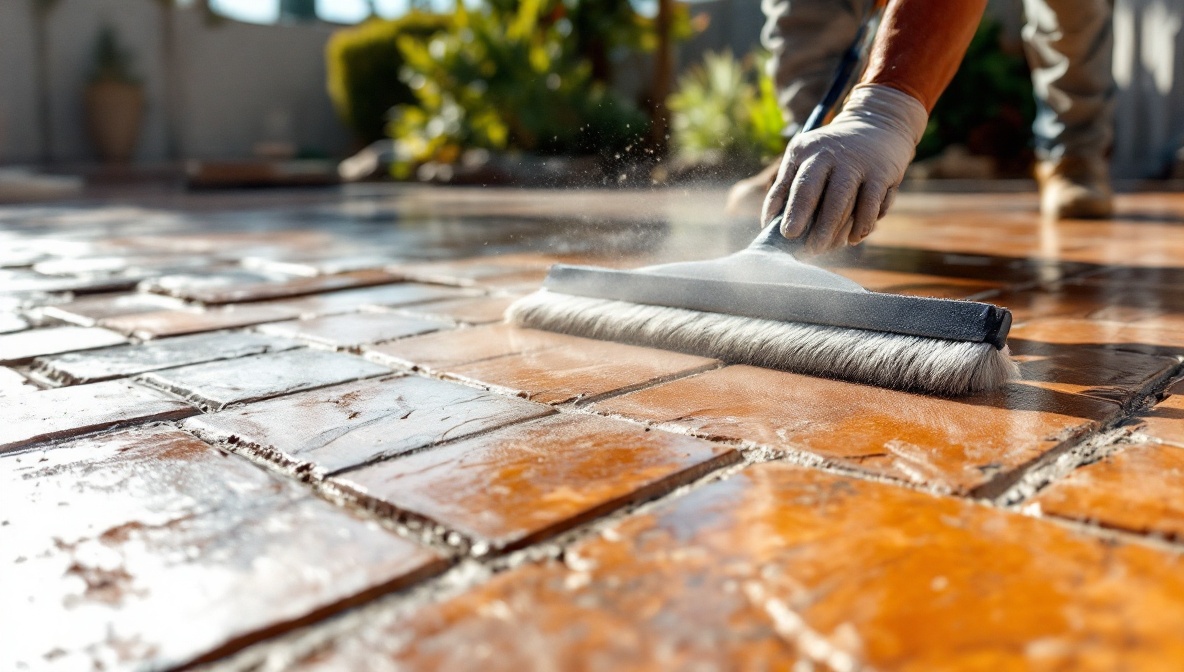
Comparing Decorative Concrete to Other Patio Options
San Diego homeowners often weigh decorative concrete against pavers, flagstone, and poured concrete. Here’s how it stacks up:
| Material | Lifespan (SD) | Maintenance |
|---|---|---|
| Stamped Concrete | 25–30 years | Seal every 1–2 years |
| Concrete Pavers | 20–25 years | Weed removal, joint sand |
| Natural Flagstone | 30–40 years | Seal every 2–3 years |
| Plain Concrete | 20–25 years | Seal every 1–2 years |
For most San Diego budgets, decorative concrete vs. pavers comes down to cost and aesthetics. Stamped concrete is cheaper upfront and requires no joint maintenance. Pavers are modular (easier to replace one damaged unit) but cost more and need annual weeding.
Natural flagstone looks premium but costs more and requires professional installation. If budget and appearance matter equally, stamped or stained concrete with a quality seal wins.
Design Trends in San Diego Decorative Concrete
San Diego’s architectural styles—Spanish Colonial, Modern Minimalist, and California Coastal—shape decorative concrete choices. Here’s what’s popular now:
Popular Design Trends
Warm Terracotta and Rust Tones: Spanish-style homes in Hillcrest, Old Town, and Balboa Park pair well with warm-toned stamped concrete. Acid stains in bronze or burnt orange create that rustic, aged aesthetic without high maintenance.
Cool Slate and Graphite: Modern homes in Downtown, Little Italy, and UTC favor cool-toned acid stains. Paired with clean geometric scoring, these create a minimalist, upscale look.
Multi-Tone Finishes: Blending 2–3 stain colors (gold base with bronze accents, or blue-grey with slate highlights) adds depth and hides dirt. Popular in North County (Carlsbad, Encinitas) for both residential and commercial patios.
Coastal Glass and Shell Inlays: Homes near beaches embed crushed sea glass, shells, or stones into decorative concrete. Del Mar and La Jolla homeowners use this for pool surrounds and entry patios. Cost is higher but creates a unique, coastal-specific aesthetic.
Large-Format Formats with Minimal Scoring: Modern preferences lean toward fewer seams and wider “pavers” created by scoring. Instead of 12 small stamped stones, a 4×8 pattern with wide grout lines mimics large-format porcelain tile. Cost is similar but feels more contemporary.
Permits and Professional Installation in San Diego
Decorative concrete work generally does not require a city permit if you’re resurfacing existing concrete or pouring new outdoor concrete under 200 sq ft. However, patios larger than 200 sq ft, driveway replacements, or work within 5 feet of property lines may need a San Diego Development Services permit (they handle all city projects including Chula Vista and Carlsbad).
A licensed concrete contractor (CSLB #) will handle permitting details. Most San Diego contractors pull permits to protect homeowners if future issues arise.
Hiring the right contractor matters enormously for decorative concrete. Poor stamping technique, incorrect color ratio, or inadequate sealing shows immediately and is costly to repair. Request 3+ local references, view photos of their work, and ensure they carry liability insurance.
SD Concrete Pros and similar reputable local firms in San Diego specialize in stamped, stained, and custom concrete. They understand local microclimates (coastal salt spray near Mission Beach vs. dry inland heat in Ramona) and recommend appropriate seals and maintenance schedules.
Ready to Transform Your Outdoor Space?
Get a free estimate on decorative concrete today
Concrete Resurfacing as an Alternative to Full Removal
If you have an old, cracked concrete patio or driveway, full removal and replacement can be expensive. A more affordable option is San Diego concrete resurfacing—applying a decorative overlay to existing concrete.
Resurfacing works if the base is structurally sound (no active sinking or major settlement). The overlay is 1–2 inches thick and can be stamped, stained, and sealed just like new concrete. It’s an ideal solution for budget-conscious homeowners who want a design refresh without full replacement.
However, resurfacing doesn’t fix deep foundation issues. If your patio is sinking or large cracks appear, removal and replacement is necessary.
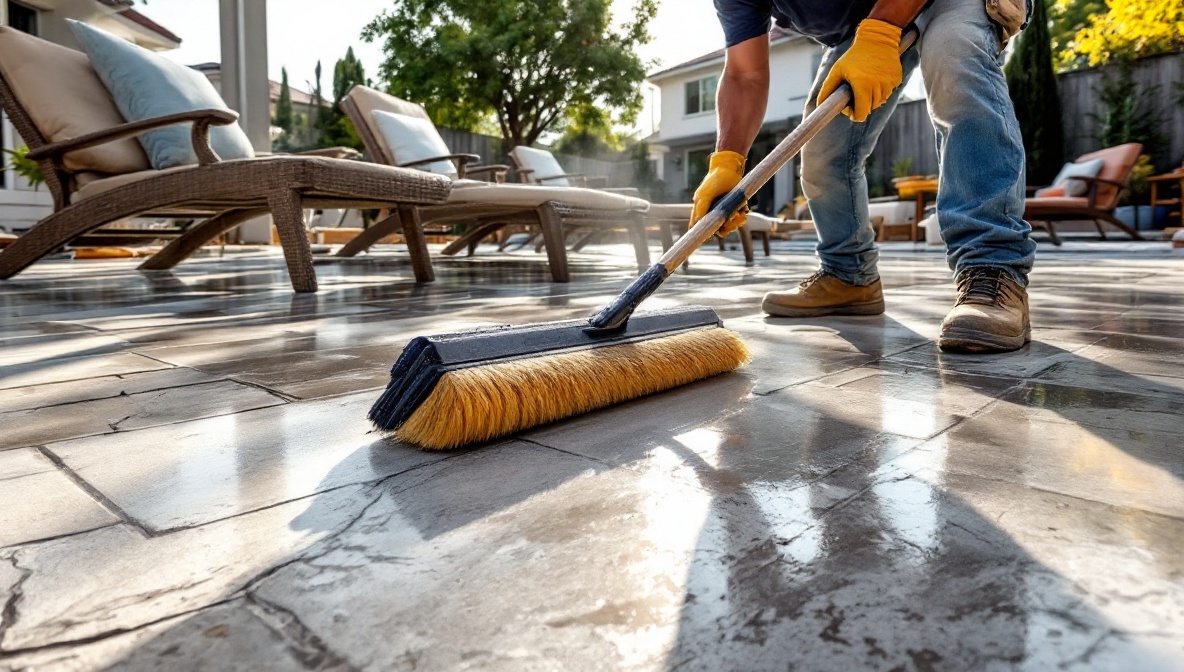
Getting Quotes for Decorative Concrete in San Diego
Get quotes from at least three contractors. Legitimate estimates include a site visit, photos of reference work, written timeline, and breakdown by labor, materials, and sealing. Avoid quotes significantly lower than market rates—they often reflect cutting corners on sealing or design detail.
Frequently Asked Questions
How long does decorative concrete last in San Diego?
Stamped and stained concrete lasts 25–30 years in San Diego’s mild, dry climate if sealed every 12–24 months. Coastal properties (Pacific Beach, Del Mar) need more frequent sealing due to salt spray. Without sealing, decorative concrete degrades to 15–20 years.
Can I stamp existing concrete, or does it need to be new?
Stamping requires freshly poured concrete (within 2–4 hours of finishing). Existing concrete cannot be stamped, but it can be resurfaced with a 1–2 inch decorative overlay that is then stamped and stained. Alternatively, you can acid stain existing concrete to add color without texture.
What’s the difference between stamped concrete and stained concrete?
Stamped concrete has texture and pattern (created by molds) and color. Stained concrete is typically smooth with color applied chemically (acid stain) or with coating (acrylic stain). Many patios use both: stamped base for texture, then stain for color enhancement.
Is decorative concrete slippery when wet?
Stamped concrete is textured and provides grip similar to stone. High-gloss film-forming seals (epoxy) can be slippery when wet. Penetrating seals maintain the textured grip. For pool surrounds or areas prone to moisture, use non-slip topcoats or matte seals.
How much does it cost to reseal decorative concrete in San Diego?
Resealing cost depends on the size of the patio and the sealer used. Plan to reseal every 12–24 months. It’s the single most important maintenance task for extending life and preserving color. Related: Stamped Concrete San Diego: Designs, Cost & Installation Guide Related: Decorative Concrete Options in San Diego: Stamped, Stained & Polished
Related Articles
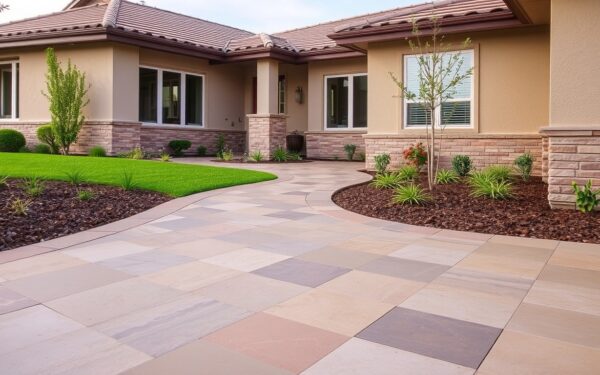
Stamped Concrete vs. Pavers in San Diego: Which Is the Better Investment for Your Home?
Trying to decide between stamped concrete and pavers for your San Diego driveway or patio? We break down cost, durability, maintenance, and long-term value so you can make the right call.
Read More
Concrete Driveway Cost San Diego: What Affects the Price
Concrete driveway cost in San Diego ranges from $8 to $15 per square foot installed, or $2,400 to $4,500 for a standard 300 sq ft driveway. Learn what drives pricing and get accurate estimates for your project.
Read More
San Diego Concrete Resurfacing: Cost, Methods & When to Resurface
San Diego concrete resurfacing costs $3–$7 per square foot and can extend your surface's life by 10+ years. Learn what drives pricing, which surfaces benefit most, and how to choose between repair methods.
Read More