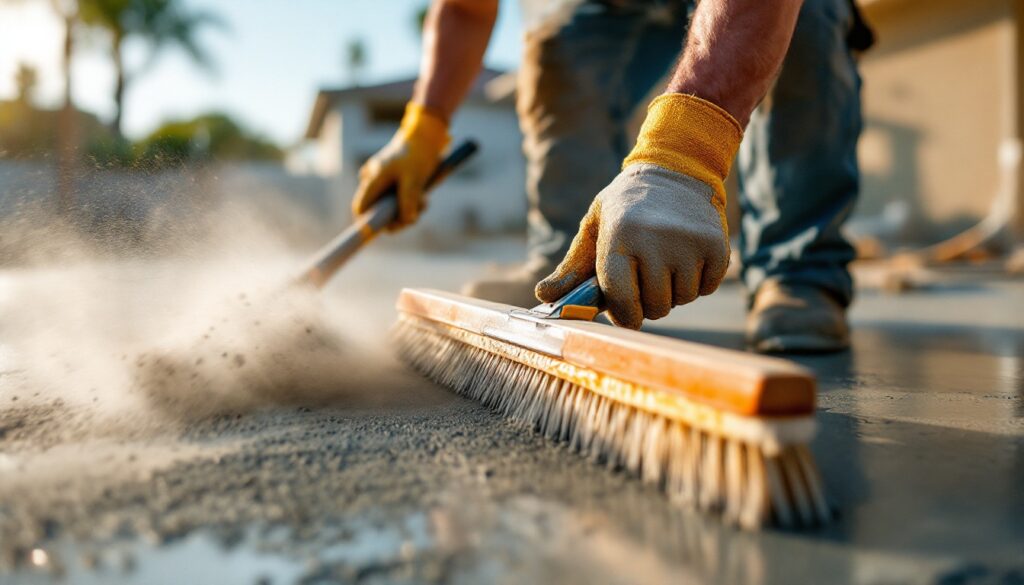
exposed aggregate concrete San Diego — Exposed aggregate concrete in San Diego cost varies with aggregate type, site prep, and finish complexity. The concrete base and finish quality drive most of the variation in price. This guide covers what exposed aggregate is, why homeowners choose it, what to expect during installation, and how to maintain it year-round in San Diego’s climate.
What Is Exposed Aggregate Concrete?
Exposed aggregate concrete is a decorative finish that reveals stones, gravel, and other aggregate materials embedded in the concrete surface. Unlike standard broom-finish concrete, the top layer of cement paste is removed to expose the colorful rocks and pebbles underneath.
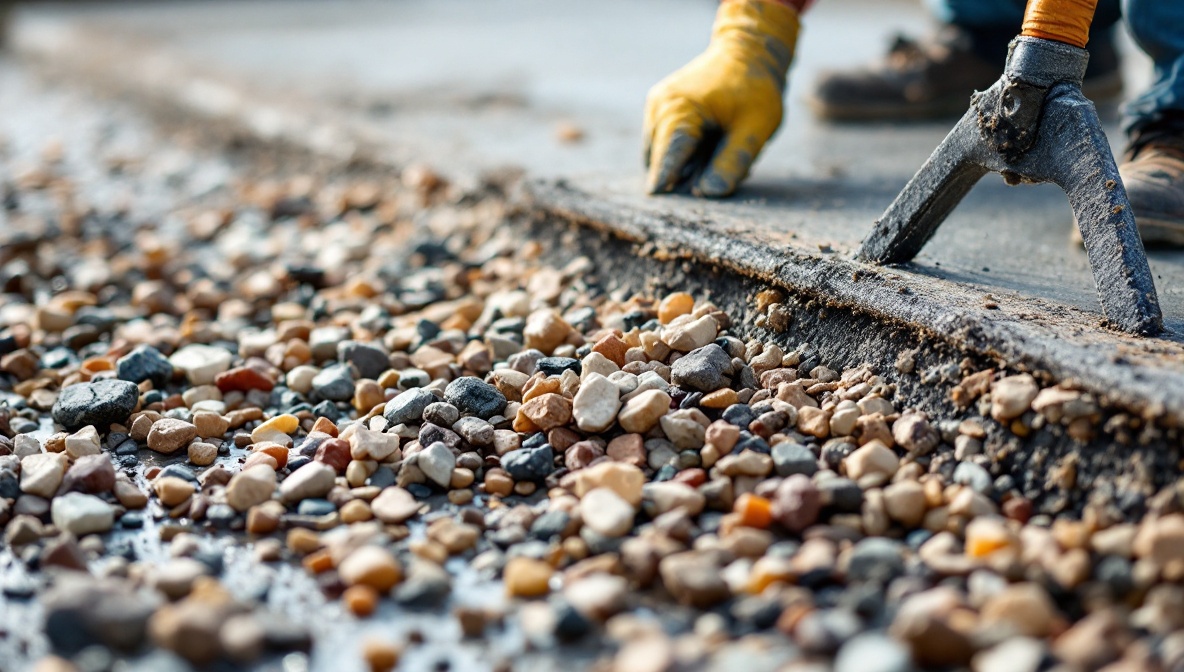
The process typically involves pouring standard concrete, letting it partially cure, then using water jets or chemical retarders to wash away the surface paste. This reveals the aggregate—usually river rocks, granite chips, recycled glass, or marble—creating a slip-resistant, textured finish that’s both practical and attractive.
Homeowners in neighborhoods like Coronado, Mission Beach, and Carmel Mountain often choose exposed aggregate for driveways, pool decks, patios, and walkways because it handles San Diego’s sun and rain without showing wear as quickly as smooth concrete.
Exposed Aggregate Concrete Costs in San Diego
Here’s what drives the price:
- Aggregate type: Standard river rock vs. premium materials like recycled glass or colored granite chips
- Site prep: Clean, level ground costs less. Excavation, removal, and grading add to the cost
- Concrete base: 4-inch standard slab vs. reinforced or thickened sections for high-traffic areas
- Finish method: Water jet exposure (standard) or chemical retarder (premium, allows more control). Chemical method costs more
- Sealing: Optional but recommended in San Diego. Adds cost upfront; extends life 5–7 years
- Permitting: Most driveways and patios under 500 sq ft don’t require City of San Diego permits. Larger projects or those near setback lines do.
Ready to Get Started?
Call us today for a free estimate on your exposed aggregate project
Why Choose Exposed Aggregate for San Diego Homes?
Durability in San Diego’s Climate
San Diego’s mild winters and intense summer sun can crack and fade standard concrete. Exposed aggregate withstands UV exposure better because the rocks don’t absorb heat like dark cement paste does. The textured surface also sheds water more effectively, reducing standing water damage and algae growth.
Slip Resistance
The rough, uneven surface of exposed aggregate provides natural grip—critical for pool decks, patios, and areas that collect morning dew or occasional rain. Standard concrete becomes slippery when wet; exposed aggregate stays safer year-round.
Aesthetic Appeal
You can choose from dozens of aggregate colors and sizes. River rock, granite, marble chips, recycled glass, and custom blends create unique looks that complement modern, traditional, or Mediterranean-style homes. Colors range from soft blues and greens to warm reds and golds.
Low Maintenance Compared to Alternatives
Pavers require weeding and releveling; stamped concrete often cracks and fades. Exposed aggregate, once sealed, needs only occasional pressure washing and re-sealing every 5–7 years. It won’t trap weeds like permeable pavers and won’t chip like decorative coatings.
The Installation Process for Exposed Aggregate Concrete
Step 1: Site Preparation and Grading
The base must be compacted, level, and properly sloped for drainage. In San Diego, most residential projects slope at 1/8 inch per foot to drain toward lawns or storm drains. Poor grading causes water pooling and frost damage—rare in San Diego but possible in winter.
Step 2: Formwork and Rebar Installation
Concrete is poured into wooden or metal forms. For driveways and patios, 4-inch-thick concrete with wire mesh or rebar prevents cracking. SD Concrete Pros typically uses 6×6 welded wire mesh for residential work; high-traffic areas or seismic zones may use rebar for added strength.
Step 3: Concrete Pour and Strike-Off
Fresh concrete is poured, spread, and screeded (leveled) using a long straightedge. This must happen quickly—usually within 1–2 hours of the concrete truck arriving. San Diego’s warm, dry climate means concrete sets faster than cooler regions, so timing is tight.
Step 4: Partial Curing and Aggregate Exposure
The concrete sits for 4–8 hours until it reaches a firm-but-not-hard state (called the “green” stage). At this point, the exposing process begins. The contractor either:
- Water jets the surface at high pressure to wash away the top layer of cement paste
- Applies a chemical retarder (24–48 hours prior) to prevent cement from setting on the surface, making washing easier
Chemical retarders offer more control and uniform exposure; they cost slightly more but produce cleaner, more professional results.
Step 5: Rinsing and Drying
After exposure, the surface is rinsed thoroughly to remove all loose paste and debris. The concrete then cures for 7 days before foot traffic. Heavy loading (parking cars) requires 14–21 days of cure time.
Step 6: Sealing (Recommended)
A water-based or penetrating sealer is applied to protect against stains, water infiltration, and UV fading. Sealers should be reapplied every 5–7 years in San Diego, where sun exposure is intense.
Maintenance and Care for Exposed Aggregate Concrete in San Diego
Regular Cleaning
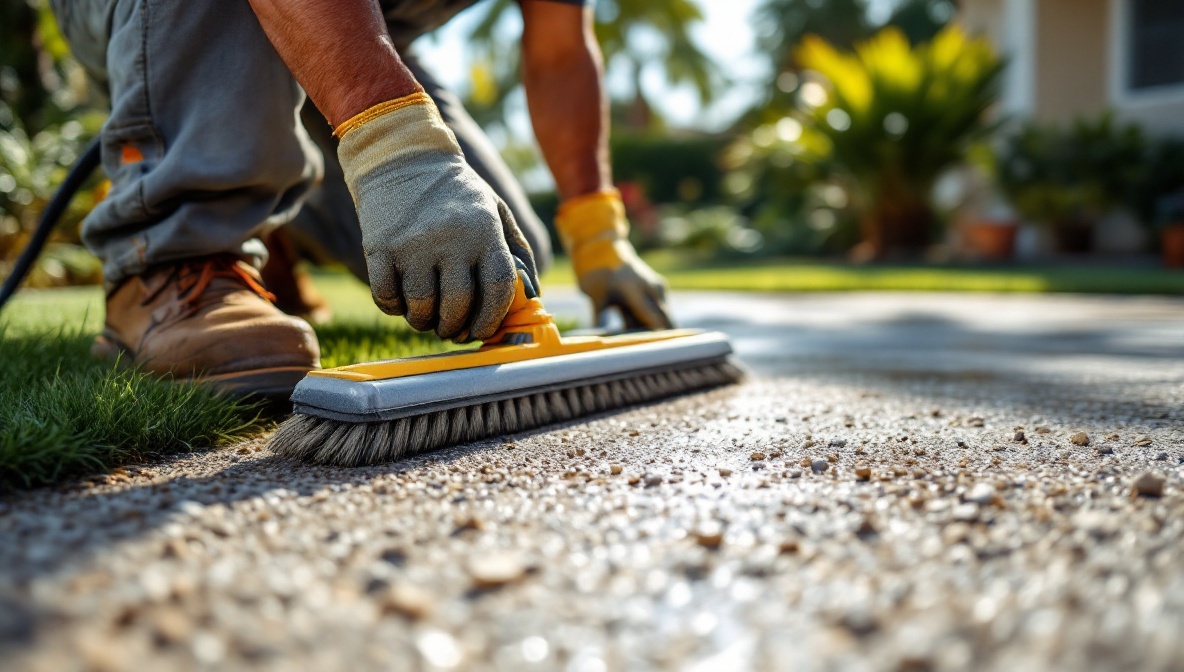
Sweep or blow off debris weekly. Pressure wash 1–2 times per year (usually spring and fall) at 1,500–2,000 PSI. Never exceed 2,500 PSI, which can dislodge aggregate or damage the surface.
For stains (rust, oil, algae), use a pH-neutral cleaner and soft brush. Avoid acidic or bleach-based products, which etch concrete.
Sealer Maintenance
Inspect your sealer every 2 years. If water no longer beads on the surface, resealing is due. In San Diego, where UV is intense, 5–7 years is typical between applications. Coastal properties (Coronado, Pacific Beach, Mission Beach) may need more frequent sealing due to salt spray.
Crack Management
Minor cracks (less than 1/8 inch) are normal in concrete and don’t affect durability. Larger cracks should be filled with polyurethane or epoxy sealants to prevent water infiltration. Avoid hydraulic cement, which can leave visible patches.
De-icing Caution
San Diego rarely freezes, but in the rare event of frost, do NOT use rock salt or calcium chloride on exposed aggregate. These accelerate deterioration. Use sand for traction instead.
Exposed Aggregate vs. Other Concrete Finishes
Exposed Aggregate vs. Broom Finish
Broom finish: Creates thin, parallel lines for traction. Shows dirt easily; fades quickly in San Diego sun.
Exposed aggregate: More decorative, lasts longer, hides dirt better. Higher upfront cost.
Exposed Aggregate vs. Stamped Concrete
Stamped concrete: Mimics stone, slate, or tile patterns. Can crack over time; requires sealing every 2–3 years in San Diego’s heat.
Exposed aggregate: More durable, less likely to crack. Simpler maintenance. No risk of pattern fading or sealer peeling.
Exposed Aggregate vs. Permeable Pavers
Pavers: Individually replaceable; allow water drainage. Require weeding and releveling every 5–10 years.
Exposed aggregate: Monolithic (one pour); lower maintenance. Can be sealed for full impermeability or left unsealed for some drainage.
Choosing the Right Aggregate for Your San Diego Home
River Rock
Smooth, round stones in shades of gray, tan, and beige. A budget-friendly option. Works with traditional or modern homes. Available locally in San Diego.
Granite Chips
Angular, colorful stones ranging from black to red, gold, and green. Premium choice. Adds sophistication; popular in upscale San Diego neighborhoods like Carmel Mountain and Rancho Santa Fe.
Recycled Glass
Tumbled glass pieces in blue, green, clear, and amber. Eco-friendly option. Stunning in modern designs; may attract more sun glare than stone.
Marble Chips
White, gray, or colored marble fragments. Elegant but softer than granite; wear faster in high-traffic areas. Better for patios and decorative surfaces than driveways.
Custom Blends
Mix two or three aggregate types for unique color schemes. Allows personalization to match your home’s architecture and landscaping.
Common Mistakes to Avoid
Skipping the sealer. Unsealed exposed aggregate stains easily and fades faster. In San Diego, UV damage is accelerated by strong sun exposure. Sealing adds some cost upfront but extends life by 5–7 years.
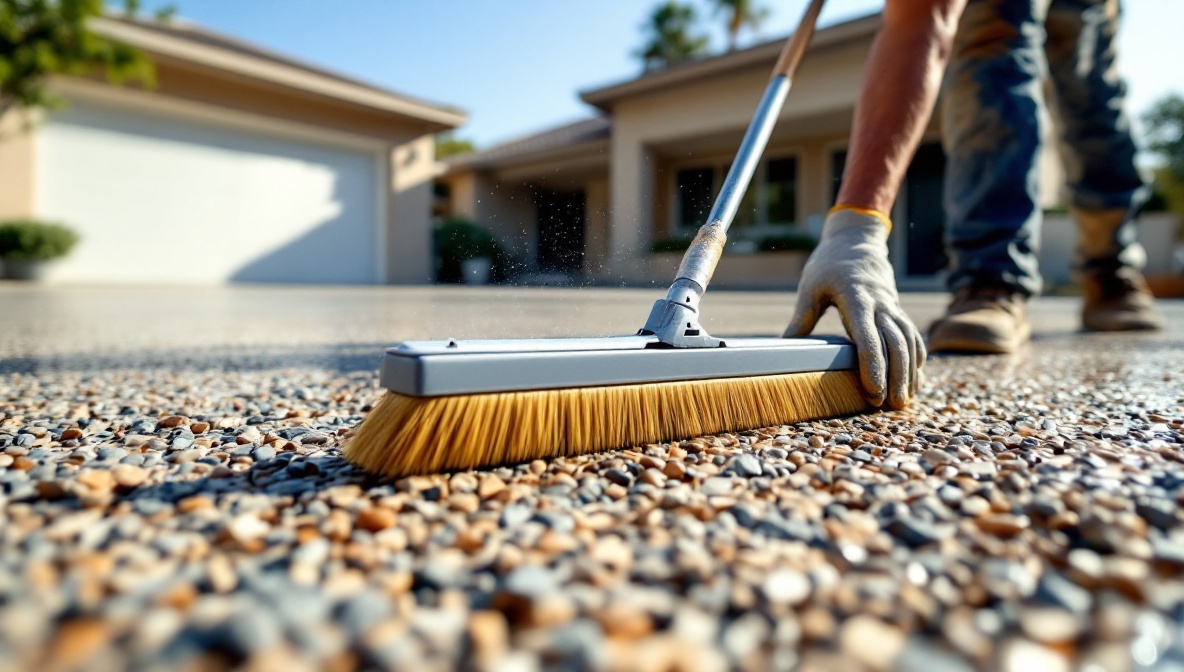
Choosing the wrong exposure depth. Shallow exposure (barely visible aggregate) looks cheap and wears fast. Deep exposure can dislodge stones. A professional contractor finds the sweet spot—aggregate clearly visible, rocks firmly anchored.
Poor base preparation. If the sub-base isn’t compacted or graded correctly, the concrete cracks. San Diego’s stable soil helps, but clay areas (like parts of Chula Vista and El Cajon) need extra compaction.
Using de-icer in winter. Rare in San Diego, but avoid salt-based de-icers, which destroy concrete. Use sand instead.
Oversized aggregate. Stones larger than 3/4 inch can dislodge or create uneven surfaces. Stick to 3/4 inch or smaller for durability.
How Much Will Your Exposed Aggregate Project Cost?
Get multiple quotes. Reputable contractors in San Diego (like SD Concrete Pros) provide detailed breakdowns: concrete cost, aggregate premium, labor, sealing, and any site-specific factors. A low bid often means lower-quality aggregate or rushed exposure work.
Permits and Regulations in San Diego
Most residential patios and driveways under 500 sq ft don’t require San Diego city permits. Larger projects, additions near property lines, or pool decks may trigger permitting.
Check with your local city office (San Diego, Chula Vista, Carlsbad, Oceanside, or others). Your contractor should handle this or advise you clearly.
Homeowners associations (HOAs) may have restrictions on concrete color or finish. Check CC&Rs before starting.
Seasonal Considerations for San Diego Concrete
San Diego’s mild weather is ideal for concrete work year-round, but timing matters:
- Spring (March–May): Ideal. Warm temps, low rain, quick cure time
- Summer (June–August): Fast curing but risk of rapid drying and hairline cracks. Contractors may mist the surface to slow curing
- Fall (September–November): Good window; cooler than summer, still plenty of dry days
- Winter (December–February): Rare rain, but slower curing time (7–14 days vs. 5–7 in summer)
Avoid work during December holidays when crews are booked. Spring and fall offer the best balance of weather and contractor availability.
Finding a Contractor for Exposed Aggregate in San Diego
When hiring, verify:
- CSLB license (Contractors State License Board). Look up the license number on the CSLB website to confirm it’s active and in good standing
- Insurance (general liability and workers’ comp)
- References. Ask for at least 3 jobs in San Diego completed in the last 2 years
- Written estimate with itemized costs, and timeline
SD Concrete Pros specializes in exposed aggregate. We handle site prep, sealing, and post-care advice so your investment lasts.
FAQ: Exposed Aggregate Concrete in San Diego
How long does exposed aggregate concrete last?
Properly sealed exposed aggregate concrete lasts 15–25 years in San Diego. Unsealed, it lasts 10–15 years but shows more staining and fading. Resealing every 5–7 years extends life significantly.
Is exposed aggregate slippery when wet?
No. The textured surface provides natural slip resistance, even when wet. This makes it ideal for pool decks, patios, and high-traffic areas. Broom-finish concrete becomes slippery; exposed aggregate does not.
Can exposed aggregate concrete be repaired?
Minor cracks can be sealed with polyurethane or epoxy. Larger sections or damaged aggregate spots may require patching, which is visible but functional. Full replacement is rarely needed.
What’s the difference between water jet and chemical retarder exposure?
Water jet exposure uses high-pressure spray immediately after the concrete sets. It’s faster and cheaper but less controllable. Chemical retarders prevent surface cement from setting, making exposure easier and more uniform. Retarders cost more but produce superior results.
Do I need to seal exposed aggregate concrete?
Sealing is optional but recommended. Unsealed concrete stains easily and fades faster in San Diego sun. A quality sealer adds 5–7 years to the finish’s life. Coastal properties benefit most from sealing due to salt spray.
Ready to Transform Your Outdoor Space?
Get a free estimate for your exposed aggregate concrete project today
Related Articles
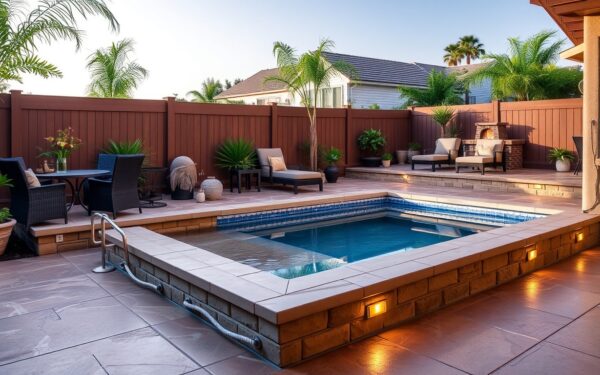
Stamped Concrete Design Ideas to Transform Your San Diego Patio or Pool Deck
Explore the best stamped concrete design ideas for San Diego patios and pool decks. From natural stone patterns to custom color blends, discover how stamped concrete can elevate your outdoor living space.
Read More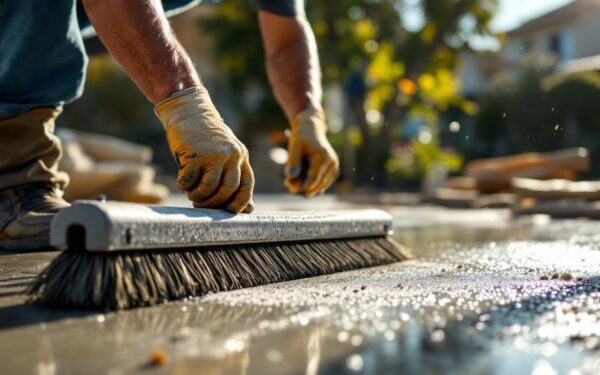
Concrete Driveway Cost San Diego: What Affects the Price
Concrete driveway cost in San Diego ranges from $8 to $15 per square foot installed, or $2,400 to $4,500 for a standard 300 sq ft driveway. Learn what drives pricing and get accurate estimates for your project.
Read More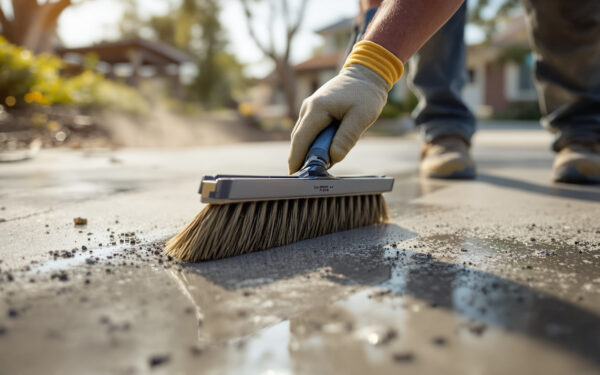
Hiring a Licensed Concrete Contractor in San Diego: What to Know
Learn how to hire a licensed concrete contractor in San Diego. Verify CSLB credentials, get competitive quotes, and avoid costly mistakes with our expert guide.
Read More